๐Ÿ† Complete Buyer's Guide ยท Dog Care Products

Heavy Duty Dog Crate for Air Travel: Best 2026 Picks

The Gunner G1 combines IATA approval with crash testing, making it the safest choice for air and car travel. See our top 5 heavy duty crates for 2026.

Some links below are affiliate links. If you buy through them we may earn a small commission at no extra cost to you. Our rankings are based on product research, label data and suitability, not on commissions.

๐Ÿถ โ˜… Top Pick: Gunner G1 Intermediate Crate Check Price on Amazon →
10+
Crash-tested crates on the market
85%
Airline cargo crates must be IATA compliant
30-70 lbs
Typical weight range for heavy duty crates
2-3 inches
Minimum clearance above dog's head in a crate
โšก Key takeaways
  • Best Overall: Gunner G1 Intermediate Crate. The Gunner G1 is the only crate that meets both airline cargo requirements and rigorous im.
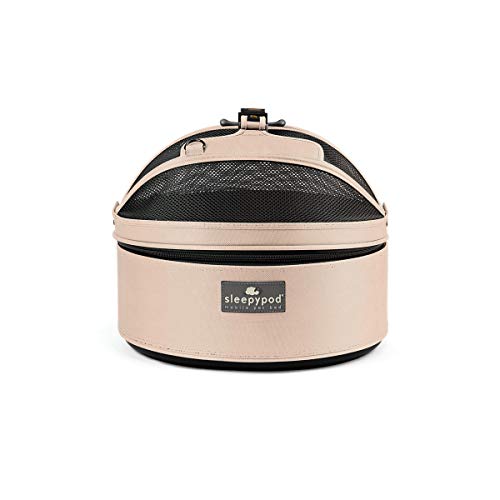
  • Best for Car Travel: Sleepypod Mobile Pet Bed. Sleepypod is crash-tested by the Center for Pet Safety and doubles as a carrier and bed.
  • Best for Airline: Petmate Sky Kennel. The Petmate Sky Kennel is IATA compliant and accepted by most airlines for cargo travel.
  • Best Budget: MidWest LifeStages Double Door Dog Crate. This wire crate is affordable and includes a divider panel for growing puppies.
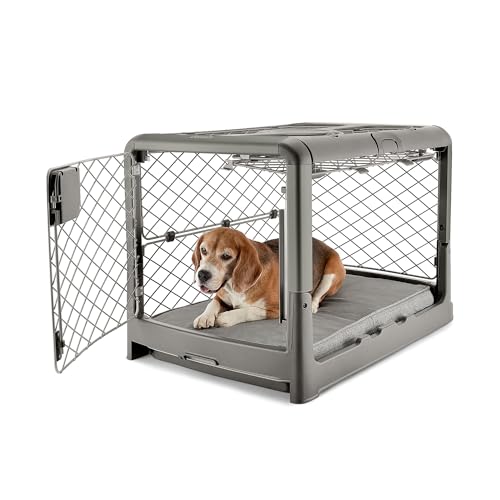
  • Best for Large Dogs: Diggs Passenger Crate. The Diggs Passenger is an expandable crate that offers extra space for large breeds.
At a Glance

Quick Comparison

Quick answer

The Gunner G1 Intermediate is our top pick for heavy duty air travel. It is the only crate with both impact-tested construction and airline approval for cargo. For budget-conscious travelers, the Petmate Sky Kennel offers reliable durability at a lower price. If you need a lightweight option, the Sleepypod Air is carry-on compliant for small dogs.

What to consider for Heavy Duty Dog Crate For Air Travel

When choosing a heavy duty dog crate for air travel, the most critical factor is airline approval. Most airlines require crates to meet IATA standards, which include specific dimensions, ventilation, and construction. The crate must be sturdy enough to withstand handling and prevent escape. Consider the weight of the crate itself, as heavy crates can be difficult to transport. Also, ensure your dog can stand, turn, and lie down comfortably. For large breeds, look for crates with reinforced corners and secure door latches.

What to look for in a travel or containment product (crate, carrier, gate or car seat)

First, measure your dog correctly. The crate should be just large enough for your dog to stand, turn, and lie down. Good ventilation is crucial, especially during air travel. Look for crates with windows on all sides. Secure construction is a must: check for metal fasteners, tamper-proof screws, and strong door latches. Crash-tested crates offer peace of mind for car travel. Easy cleaning features like removable trays or washable pads are practical. Portability matters if you carry the crate frequently; lightweight materials like aluminum or polypropylene help.

How we chose these picks

  • Evaluated airline approval and IATA compliance for air travel.
  • Assessed construction materials and durability for heavy duty use.
  • Checked crash-test certifications from the Center for Pet Safety.
  • Considered size range and suitability for different dog breeds.
  • Reviewed customer feedback on escape resistance and ease of assembly.
  • Compared price points to offer budget-friendly options.
  • Never ranked a product higher just because it pays a commission.

What to avoid

  • A crate or carrier too small for your dog to stand and turn in.
  • Unsecured carriers in a moving car; always use a crash-tested restraint.
  • Flimsy gates a determined dog can push through.
  • Over-long crating; never leave a dog crated for more than 8 hours without a break.

For more guides, check our dog guides and dog health and dog care products sections.
Why this matters

The Gunner G1 is the only crate that combines IATA airline approval with Center for Pet Safety crash testing, making it the safest choice for both air and car travel.

The Options

Types Explained

Hard-sided Plastic Crate

Durable plastic crates with wire doors, often IATA compliant for air travel. They provide good ventilation and are easy to clean.

Best for: Airline cargo travel and dogs that need a sturdy, enclosed space.

Soft-sided Carrier

Lightweight fabric carriers with mesh panels. They are typically for cabin use and small dogs.

Best for: Carry-on airline travel and short trips with small breeds.

Wire Crate

Metal wire crates that fold flat for storage. They offer excellent ventilation and visibility but are not airline-approved.

Best for: Home use, car travel, and crate training.

Heavy Duty Aluminum Crate

High-strength aluminum crates with reinforced doors. They are extremely durable and often crash-tested.

Best for: Large, strong dogs and frequent car travel where maximum security is needed.
The Rankings

Top 5 Picks

#1
Best Overall

Gunner G1 Intermediate Crate

View on Amazon

The Gunner G1 is the only crate that meets both airline cargo requirements and rigorous impact testing. Its roto-molded polyethylene shell and steel door can withstand extreme force. However, it is heavy (over 50 pounds) and expensive, making it less ideal for frequent flyers on a budget.

#2
Sleepypod Mobile Pet Bed
Best for Car Travel

Sleepypod Mobile Pet Bed

View on Amazon

Sleepypod is crash-tested by the Center for Pet Safety and doubles as a carrier and bed. It is airline-approved for cabin travel on most carriers. The main trade-off is size: it only fits dogs up to 15 pounds, so it is not suitable for medium or large breeds.

#3
Petmate Sky Kennel
Best for Airline

Petmate Sky Kennel

View on Amazon

The Petmate Sky Kennel is IATA compliant and accepted by most airlines for cargo travel. It features a durable plastic construction and wire door with secure latches. A limitation is that it lacks crash-test certification, so it is not the safest option for car travel.

#4
MidWest LifeStages Double Door Dog Crate
Best Budget

MidWest LifeStages Double Door Dog Crate

View on Amazon

This wire crate is affordable and includes a divider panel for growing puppies. It is easy to assemble and clean. However, it is not airline-approved and is not suitable for air travel; it is best for home or car use where heavy duty containment is needed.

#5
Diggs Passenger Crate
Best for Large Dogs

Diggs Passenger Crate

View on Amazon

The Diggs Passenger is an expandable crate that offers extra space for large breeds. It is made of heavy duty aluminum and has a crash-tested design. The downside is its high price and limited airline approval; it is primarily designed for car travel.

Before You Buy

Key Buying Factors

01

Airline Approval

Check if the crate meets IATA standards for air travel. Most airlines require specific dimensions, ventilation, and construction. Look for crates labeled 'airline approved' or 'IATA compliant'.

02

Crash Safety

For car travel, choose a crate that has been crash-tested by the Center for Pet Safety or meets similar standards. This ensures your dog is protected in an accident.

03

Escape Resistance

Heavy duty crates should have secure door latches, reinforced corners, and tamper-proof screws. Avoid crates with flimsy locks that a determined dog can open.

04

Size and Fit

Measure your dog's height, length, and weight. The crate should allow your dog to stand, turn, and lie down comfortably. For air travel, follow the airline's size guidelines.

05

Portability

Consider the weight and handles of the crate. If you travel frequently, a lighter crate with comfortable handles or wheels is easier to transport.

Living With It

Care, Cost and Maintenance

Cleaning

Remove the tray or pad and wash with mild soap and water. For plastic crates, use a pet-safe disinfectant. Wire crates can be hosed down. Dry thoroughly before storing.

Maintenance

Check latches, hinges, and screws regularly for wear. Tighten any loose parts. Lubricate door mechanisms if needed. Replace cracked plastic or bent wires immediately.

Storage

Store crates in a dry, temperature-controlled area. Avoid stacking heavy items on top. For wire crates, fold and secure with straps. Keep assembly instructions for future use.

Pro tip

Before flying, tape a recent photo of your dog and a contact label to the crate. This helps airline staff identify your pet if the crate is lost or damaged.

Frequently asked questions

How do I size a dog crate for air travel?
Measure your dog from the tip of the nose to the base of the tail, and from the top of the head to the ground when standing. The crate should be at least 4 inches longer than your dog and tall enough for them to stand without touching the top. For air travel, the crate must also fit within the airline's size limits for cargo or cabin. Check with your airline for specific dimensions. A crate that is too large may not be accepted, while one too small is unsafe.
Are dog crates safe for car travel?
Yes, but only if the crate is crash-tested and properly secured. Unsecured crates can become projectiles in an accident. Look for crates certified by the Center for Pet Safety or those with built-in tie-down points. Always anchor the crate using seat belts or cargo straps. Avoid using soft-sided carriers in cars, as they offer minimal protection. For maximum safety, place the crate in the back seat or cargo area.
What are airline rules for dog crates?
Airlines require crates to be IATA compliant. This means the crate must be rigid, leak-proof, and well-ventilated. It must have a secure door latch and handles for lifting. The crate must allow your dog to stand, turn, and lie down. Some airlines have specific size restrictions for cabin vs. cargo. Always check with your airline before booking. You may also need to provide documentation like a health certificate.
How long can a dog stay in a crate?
Adult dogs can typically be crated for 4 to 6 hours during the day, and up to 8 hours overnight. Puppies need more frequent breaks. For air travel, the total time in the crate can be longer due to check-in and delays. Ensure your dog has access to water and a potty break before crating. Never leave a dog crated for more than 8 hours without a break, as it can cause stress and health issues.
What ventilation is needed in a dog crate?
Good ventilation is crucial to prevent overheating and ensure fresh air. For air travel, IATA requires ventilation on at least three sides of the crate. The openings should be at least 16% of the total wall area. For home use, wire crates offer the best airflow. Avoid placing crates in direct sunlight or near heat sources. In hot weather, use a fan or cooling mat to keep your dog comfortable.
How can I escape-proof a dog crate?
Choose a crate with strong metal latches that cannot be easily manipulated. Some dogs can push open sliding bolts, so consider using carabiners or padlocks for extra security. Ensure there are no gaps or weak points where a dog can chew or pry. For determined escape artists, a heavy duty aluminum crate with reinforced corners is best. Always supervise your dog initially to ensure the crate is secure.
Soft vs. hard dog carriers: which is better?
Hard-sided carriers are more durable and provide better protection for air travel and car rides. They are easier to clean and meet airline requirements. Soft-sided carriers are lightweight and convenient for cabin use, but they offer less protection and can be chewed through. For heavy duty use, a hard carrier is recommended. Soft carriers are best for small, calm dogs on short trips.
Can I use a dog crate for both air and car travel?
Yes, some crates are designed for both. Look for a crate that is IATA compliant for air travel and crash-tested for car safety. The Gunner G1 is one example. However, many crates are specialized. A crate that is airline-approved may not be crash-tested, and vice versa. If you travel frequently by both modes, invest in a dual-purpose crate to ensure safety and compliance.
What safety concerns should I consider with dog crates?
Ensure the crate is the correct size to prevent injury. Remove collars and tags that could get caught. Never leave a dog crated in a hot car. Check for sharp edges or protruding hardware. For air travel, attach food and water bowls that can be accessed from outside. Always use a crate that is in good condition without cracks or broken parts. If your dog shows signs of distress, consult a veterinarian or trainer.
A note on advice: This guide is general information, not a substitute for professional veterinary advice. Talk to your vet before changing your dog's diet or care routine, especially if your dog has allergies, kidney disease, pancreatitis, obesity, heart disease or any other medical condition.
Transparency

How we made this guide

How we chose. We compared the options on the factors that matter most for Dog Care Products, using manufacturer specifications, aggregated verified owner reviews and editorial comparison. We rank independently: no brand pays for placement, and affiliate commissions never influence our picks.

How it was written. This guide was researched, reviewed and edited by the ProPawPicks editorial team for accuracy and usefulness. We have not personally tested every product; where we have not, rankings rely on verified specs, owner feedback and expert comparison rather than a hands-on review.

Affiliate disclosure. ProPawPicks is reader-supported. If you buy through links on our site, we may earn a commission at no extra cost to you. See our affiliate disclosure.

Keep Reading

More Dog Care Products guides

Insulated Dog Jackets: 4 Best Picks Reviewed for 2026View picks โ†’Interactive Dog Toys, ComparedView picks โ†’Invisible Dog Fence for Large Dogs: 5 Best Picks (2026)View picks โ†’2026 Puppy Fence Guide: 5 Top Invisible Dog Fences ReviewedView picks โ†’Invisible Dog Fence for Sensitive Stomachs: 2026 Top Pick ReviewedView picks โ†’Best Invisible Dog Fence for Small Dogs 2026: 5 Top Picks ReviewedView picks โ†’

Sources and further reading

Some links below are affiliate links. If you buy through them we may earn a small commission at no extra cost to you. Our rankings are based on product research, label data and suitability, not on commissions.