Quick answer
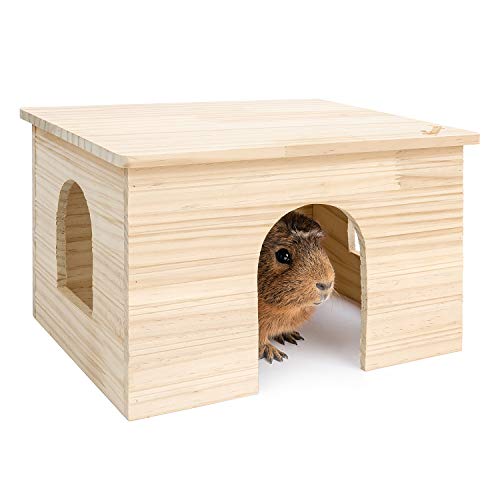
The best setup is not one hideout but several cozy spots spread across a tall, multi-level cage. Fancy rats are social and sleep in a pile, so pair a soft fleece hammock up high with an enclosed cozy cube or tent, add a solid wooden or ceramic hide like the Niteangel Wood House down low, and toss in a cheap cardboard box for chewing. This mix covers warmth, security, and enrichment while staying easy to wash or replace.
Why rats need cozy hides and hammocks
Rats are prey animals that feel exposed in open space, so covered hiding spots lower stress and give them somewhere dark to sleep through the day. Because rats are kept in pairs or groups and love to cuddle together, one shelter is never enough. Hammocks matter too: they use vertical space in a tall cage, keep rats off cold or wet cage floors, and give a soft lookout perch. Offering several sleeping and hiding options, from a Savic Sputnik-style pod to a hanging tunnel, reduces squabbling over the best napping spot.
What to look for
Choose materials that are washable or cheap to replace. Fleece hammocks and cozy cubes should have tight, chew-resistant stitching and no loose threads. Solid hides in untreated hardwood, such as birch, or smooth ceramic wipe clean and resist gnawing. Pick sizes that fit at least two rats side by side, roughly eight by six inches of floor per rat. For a tall cage, favor items that clip to the bars so you can layer sleeping spots at different heights. Rotate a few options so the group always has choice. Look for enclosed, dark interiors for daytime sleep, ventilation on plastic pods, and hanging tunnels like woven willow that double as chew toys and secret napping tubes.
How we chose
We looked at safety first: non-toxic, untreated wood, dust-free surfaces, and secure fabric stitching. We favored designs that suit social groups, that mount at varied heights in a multi-level cage, and that hold up to daily rat chewing. Ease of cleaning was a deciding factor, since urine and bedding build up fast, so dishwasher-safe pods and machine-washable fleece scored highest. Value mattered too, because chewers destroy soft items over time, so we leaned toward washable fleece and cheap cardboard you can replace without a second thought alongside one or two durable hard hides that last for years.
What to avoid
Many rats chew fabric, and this is where hammocks turn risky. Check hammocks and fabric hides often for chewed or frayed threads: a swallowed thread or loose fabric strip can cause a dangerous gut blockage, and loose loops can wrap around toes, tails, or limbs. Remove any frayed item right away and replace it. Give heavy chewers plenty of chew-safe wood or cardboard so they gnaw that instead of their bedding. Skip pine and cedar hides, soft toxic plastics, and anything with sharp edges or small parts. If you ever suspect your rat swallowed fabric, contact an exotics vet.


