Quick answer
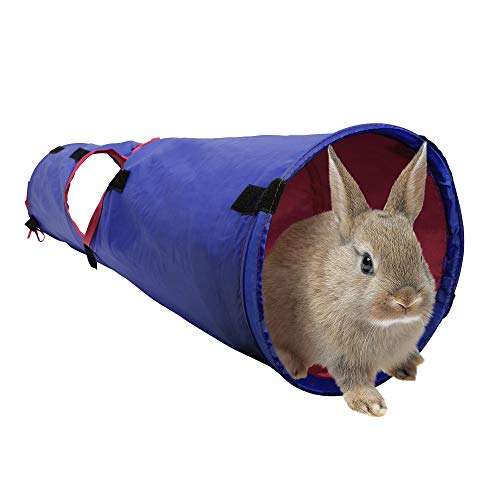
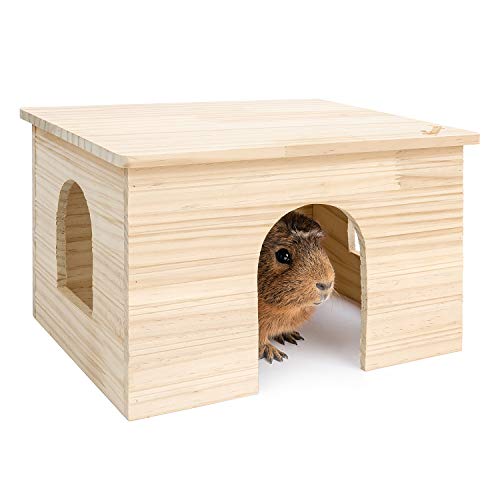
The best hideout for most gerbils is the Niteangel Wood House, a natural pine hide that is safe to gnaw and roomy enough for a pair. For a budget option choose the Corner Wooden House, and for a climbing pair the TRIXIE multi-level wooden tower adds tunnels and platforms. The Living World Pet Tunnel is a great burrow-style extra you can bury in bedding. But remember: a hide is a supplement. The real gerbil hideout is deep bedding they can dig into.
Why gerbils need deep bedding and a hide
Gerbils are intense burrowers. In the wild they live in extensive tunnel systems with nesting chambers, so the single most important thing you can give them is deep bedding, at least 6 inches and ideally much more. Deep substrate lets them dig real tunnels and build a nest, which is where they naturally hide. A wooden or cork hide sits on top of that as a secure retreat and a chew toy, not as a replacement for digging room.
What to look for
Gerbils gnaw constantly, so the material matters most. Choose untreated wood, cork bark, or ceramic and terracotta. Plywood, natural pine, and aspen are all safe when free of glues and paint. Size the hide so every gerbil in the group can curl up inside, with entry holes around 2 inches wide and, ideally, more than one exit so a lower-ranked gerbil is never cornered. Because gerbils are highly social and kept in same-sex pairs or groups, provide enough hides for all of them, roughly one per gerbil plus a spare, spaced around the tank.
How we chose
We prioritized chew-safe, untreated materials, interior room for a bonded pair, ventilation, and easy cleaning. We also looked at whether a hide could be buried or stacked to encourage natural digging and climbing, since gerbils treat the space beneath a hide as part of their tunnel network. Multi-chamber and tunnel designs like the TRIXIE tower and Living World tunnel scored well for enrichment because they mimic the branching layout of an underground burrow. Above all, we judged each hide as a supplement to deep bedding rather than a substitute for it, so nothing on this list is meant to be your gerbil’s only source of shelter.
What to avoid
Skip plastic igloos and plastic accessory hides. Gerbils chew through plastic quickly, and swallowed shards can cause dangerous gut blockages that may need a vet. The Kaytee CritterTrail piece connects to tube setups but only suits very light chewers, which few gerbils are, so treat it as an occasional novelty rather than a main hide. Also avoid cedar and pine shavings that are scented, along with any varnished, painted, or glued wood, since the fumes and coatings are not safe for animals that gnaw everything. Do not rely on a single hide for a pair or group, and never let a hide take the place of deep digging substrate. Finally, expect wooden hides to get gnawed down over time. That is normal and healthy, so simply replace them as they wear out and treat the wear as free chewing enrichment.