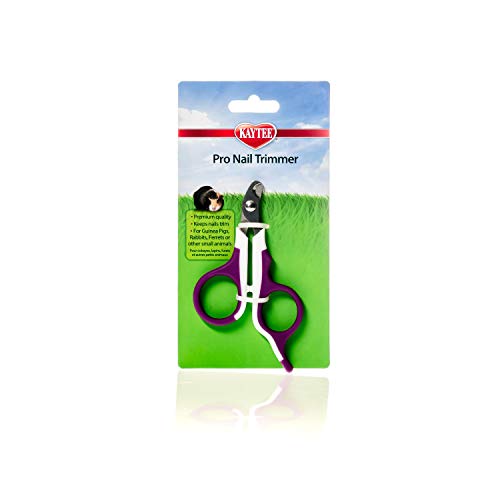
Discover the best lionhead rabbit hideout with low wide entries and smooth interiors to protect their wool mane. Chew safe materials like untreated wood are essential. We recommend the Kaytee Pro Nail Trimmer Purple for grooming.
Some links below are affiliate links. If you buy through them we may earn a small commission at no extra cost to you. Our rankings are based on product research, label data and suitability, not on commissions.
Minimum floor space recommended for a lionhead rabbit's hideout area
3-4 inches
Ideal entry height to accommodate their mane without dragging
2+
Number of exits recommended to reduce stress
⚡ Key takeaways
Best Overall: Kaytee Pro-Nail Trimmer Purple. This wooden hideout has a low profile that suits lionhead rabbits' smaller stature.
Best Value: Oxbow Timothy Hay Bungalow. Made from compressed hay, this hideout is edible and supports dental health for lionheads.
Best for Sensitive Needs: Ware Manufacturing Hand Woven Willow Twigloo Small Pet Hideout. This plastic hideout is easy to clean, which is crucial for lionhead rabbits prone to wool.
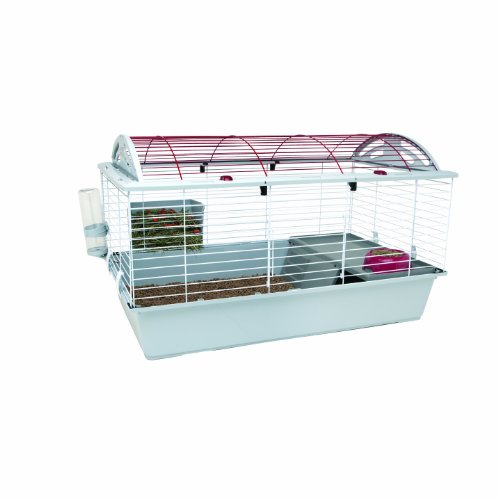
Best Premium: Living World. With a larger entry and flat roof for lounging, this hideout suits lionheads' need for bot.
Lionhead rabbits have a distinctive wool mane that requires careful housing to prevent matting and health issues. Our editorial team researched the best hideouts that offer ample space, easy cleaning, and safe materials for this unique breed.
We focused on designs that accommodate their smaller size while providing hiding spots that reduce stress and support their natural burrowing instincts. Below are our top picks for lionhead rabbit housing.
Why this matters
We found that lionhead rabbits benefit most from hideouts with low, wide entries and smooth interiors to prevent matting of their wool mane. Chew-safe materials like untreated wood or compressed hay are essential for dental health and safety.
The Options
Types Explained
Wooden Hideouts
These are chewable and natural, often with a flat roof for climbing. They require spot cleaning and replacement when soiled.
Hay Hideouts
Edible structures that double as forage toys. They are biodegradable and need frequent replacement, but offer dental benefits.
Plastic Hideouts
Easy to sanitize and durable, but ensure they have no sharp edges. Some feature textured surfaces to prevent slipping.
The Rankings
Top 4 Picks
#1
Best Overall
Kaytee Pro-Nail Trimmer Purple
View on Amazon
This wooden hideout has a low profile that suits lionhead rabbits' smaller stature. The multiple exits reduce stress, and the chew-safe material is gentle on their teeth and wool mane.
Made from compressed hay, this hideout is edible and supports dental health for lionheads. Its sturdy construction provides a cozy den that can be replaced as needed at an affordable cost.
Ware Manufacturing Hand Woven Willow Twigloo Small Pet Hideout
View on Amazon
This plastic hideout is easy to clean, which is crucial for lionhead rabbits prone to wool block from ingested fur. The smooth interior prevents snagging their mane, and the blue color is calming.
With a larger entry and flat roof for lounging, this hideout suits lionheads' need for both hiding and perching. The untreated wood is safe for chewing and helps wear down ever-growing teeth.
Lionhead rabbits chew frequently, so avoid toxic paints or treated woods. Opt for natural wood, hay, or chew-safe plastics to prevent ingestion of harmful chemicals.
02
Size and Entry
The hideout should be large enough for your lionhead to turn around but not so large that it reduces security. A low entry (under 4 inches) helps prevent injury to their delicate neck wool.
03
Ease of Cleaning
Lionheads are prone to wool block, so a hideout that can be disassembled or wiped down easily helps maintain hygiene. Look for smooth interiors that don't trap fur.
04
Ventilation and Visibility
Good airflow prevents respiratory issues common in woolly breeds. A hideout with multiple openings or a mesh side allows your lionhead to see out while feeling hidden.
Frequently asked questions
How often should I clean my lionhead rabbit's hideout?
Spot clean daily to remove fur and droppings, and deep clean weekly with a pet-safe disinfectant. This prevents wool block and keeps the hideout free of bacteria.
Can I use a cat bed as a hideout for my lionhead rabbit?
Not recommended, as cat beds often have soft fabrics that can be ingested and cause blockages. Lionheads also need a hideout they can chew without risk, so a cat bed is not suitable.
Why does my lionhead rabbit ignore the hideout?
Ensure the hideout is placed in a quiet corner and has two exits. Some lionheads prefer hideouts with a top opening or one that is partially covered. Try adding a familiar scent like hay inside.
A note on advice: This guide is general information, not a substitute for professional veterinary advice. Talk to your vet before changing your dog's diet or care routine, especially if your dog has allergies, kidney disease, pancreatitis, obesity, heart disease or any other medical condition.
Transparency
How we made this guide
How we chose. We compared the options on the factors that matter most for Small Pets, using manufacturer specifications, aggregated verified owner reviews and editorial comparison. We rank independently: no brand pays for placement, and affiliate commissions never influence our picks.
How it was written. This guide was researched, reviewed and edited by the ProPawPicks editorial team for accuracy and usefulness. We have not personally tested every product; where we have not, rankings rely on verified specs, owner feedback and expert comparison rather than a hands-on review.
Affiliate disclosure. ProPawPicks is reader-supported. If you buy through links on our site, we may earn a commission at no extra cost to you. See our affiliate disclosure.
Some links below are affiliate links. If you buy through them we may earn a small commission at no extra cost to you. Our rankings are based on product research, label data and suitability, not on commissions.