Quick answer
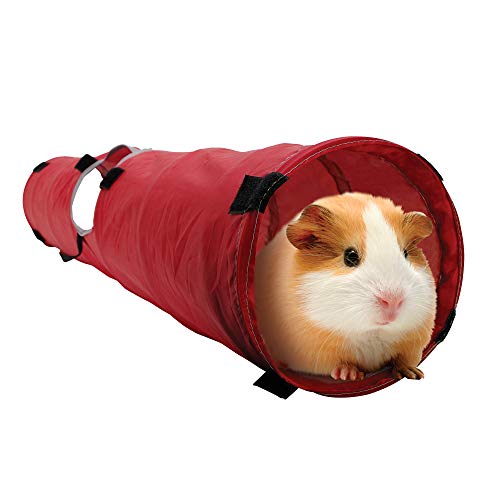
The best hideout for a pet mouse is not a single house but several small hides spread across the cage, sitting on top of a few inches of deep bedding your mouse can burrow through. For a chew-safe, cozy setup we like the Niteangel Creative and Composable Wooden Tunnel and the Trixie Willow Tunnel, backed by a heavy ceramic hide such as the UPINS 2 Pack for a cool, stable retreat. Add plain cardboard tubes so every mouse in the group has its own private corner. Think of the hides as toppings and the bedding as the real foundation your mouse burrows into.
Why mice need cover and burrows
Mice are tiny prey animals, so open space feels dangerous and constant cover feels safe. In a bare cage they stay tense, but with plenty of hides and clutter they relax, explore, and sleep soundly. Because pet mice are social and are usually kept in same-sex groups, especially females, each mouse wants its own cozy spot, so several small hideouts beat one large house. Mice are also natural burrowers, so a few inches of deep bedding they can dig and tunnel through is the real security, with hides working as a supplement on top of it.
What to look for
Chew safety comes first. Mice gnaw around the clock, so choose untreated wood, cork, ceramic, or cardboard rather than plastic they can chew and swallow. Wooden and cardboard hides double as chew enrichment and are simply replaced as they wear down. Look for at least two openings so a mouse is never cornered, an entrance around two inches wide, and a size that lets the mouse stand and turn comfortably. Spread three or more small hides around the cage rather than clustering them in one corner.
How we chose
We focused on materials mice can safely gnaw, stable shapes that will not tip over on soft bedding, and easy cleaning between uses. We favored natural wood and cork for burrow-style hides, terracotta and ceramic for a cool, washable option, and plain cardboard for cheap, endlessly replaceable cover. The real products named here were selected for those priorities rather than looks alone, and every recommendation assumes a group setup with multiple hides in the cage.
What to avoid
Skip soft plastic hides a mouse can chew into sharp pieces, painted or varnished wood, and anything treated with strong scents. Avoid using a single big house as the only shelter, since it leaves timid group members exposed. Do not rely on hides while offering only a thin layer of bedding, and do not crowd every hide into the same corner, which sparks territory disputes instead of calm. When in doubt about a material or a sick mouse, ask an exotics vet. Cheap cardboard and a deep bedding layer often do more for a nervous mouse than any single expensive house, so build variety and cover rather than one showpiece hide.