The Quick Answer
The best hideout for a pet rat is a sturdy, chew-resistant house that feels like a dark, enclosed burrow, sized so more than one rat can pile inside together. Our top pick is the Kaytee Igloo Habitat Hideout for its easy-clean plastic shell and cozy, secure interior. Because rats are social climbers, most cages do best with a mix: one solid ground hide plus a raised option like the Savic Sputnik or a fleece hammock. Rats should be kept in pairs or groups, so plan for enough hides that every rat has a spot.
Why It Matters
Rats are intelligent, highly social animals that feel exposed in an open cage. A proper hideout gives them a place to sleep, retreat from noise, and regulate temperature, which lowers day-to-day stress. Kept in pairs or groups, rats sleep in a heap, so a hide big enough for the whole crew matters more than a fancy single-rat pod. Enough hides also prevents squabbles: when there are plenty of cozy spots to claim, territorial tension drops. A rat that can hide when it wants tends to be calmer and more confident when it comes out to play.
What to Look For
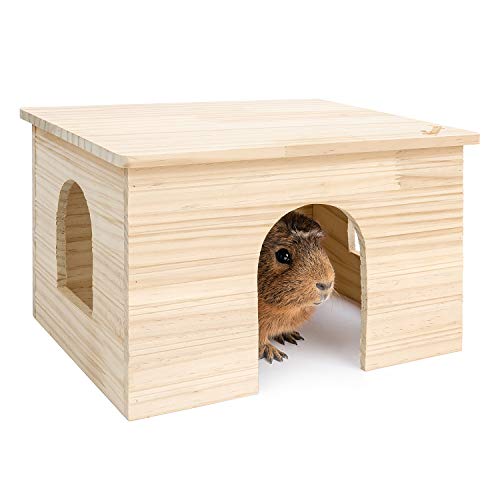
Prioritize sturdy, chew-resistant materials such as untreated wood, ceramic, or hard, splinter-free plastic, since rats gnaw constantly to wear down their teeth. Size it for at least two rats, with an entry wide enough that an adult will not get stuck, and ideally more than one opening so a lower-ranking rat is never cornered. Cozy formats like hammocks and the Sputnik suit rats because they love to climb, so a raised hide adds usable vertical space. Finally, choose something easy to clean, with a removable roof or a machine-washable fabric, because rat hides get soiled fast.
How We Chose
This is an editorial guide, not a hands-on lab test. We researched products that owners and small-pet communities consistently favor, then filtered by the traits that matter for rats: material safety, chew resistance, ventilation, entry size, group capacity, and how easy each is to clean. We favored hides that come in rat-appropriate sizes and that offer either a burrow-like enclosed space or a climb-friendly raised perch. Listed dimensions and materials come from the manufacturers. We did not verify chew durability ourselves, and every rat chews differently, so treat longevity claims as guidance rather than a guarantee.
What to Avoid
Skip painted, varnished, or chemically treated wood, and any plastic that splinters into sharp edges when chewed, since ingested fragments are a real hazard. Avoid hides with a single tiny entry for a group, which can trap a larger rat or let a dominant one guard the only door. Do not rely on cardboard as a permanent hide; it soaks up urine and grows bacteria fast, so treat it as a disposable toy. Be cautious with soft fleece if your rats are heavy chewers, as loose threads can wrap around toes. If a rat shows sneezing, labored breathing, or sudden lethargy, contact an exotics vet rather than assuming the cage setup alone is the cause.