๐Ÿ† Complete Buyer's Guide ยท Cat Food

Stabilize Blood Sugar: 5 Best High Protein Cat Foods for Diabetic Cats

Manage feline diabetes with high protein, low carb foods. See why Hill's Prescription Diet m/d GlucoSupport tops our list for under 10% carbs.

Some links below are affiliate links. If you buy through them we may earn a small commission at no extra cost to you. Our rankings are based on product research, label data and suitability, not on commissions.

Hill's Prescription Diet m/d GlucoSupport Chicken Flavor Dry Cat Food โ˜… Top Pick: Hill's Prescription Diet m/d GlucoSupport Chicken Fโ€ฆ Check Price on Amazon →
40%+
Minimum Protein (Dry Matter)
Under 10%
Carbohydrate (Dry Matter) Ideal
78%
Moisture in Wet Food
0.1%
Taurine Supplementation
โšก Key takeaways
  • Best Overall: Hill's Prescription Diet m/d GlucoSupport Chicken Flavor Dry Cat Food. Formulated specifically for diabetic cats, this food has high protein and low carbohydrate.
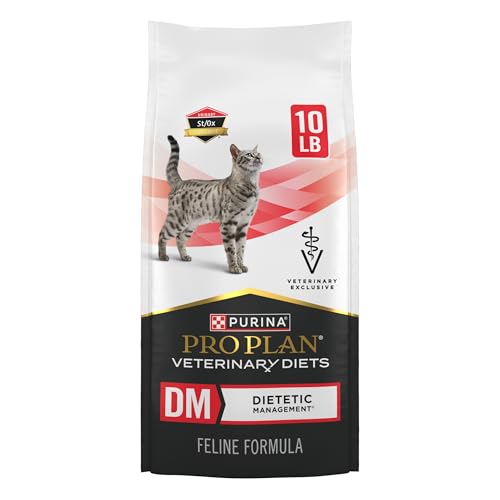
  • Best for Sensitive Stomach: Purina Pro Plan Veterinary Diets DM Dietetic Management Feline Formula. This formula is designed for diabetic cats and also supports digestive health.
  • Best Wet Food: Tiki Cat After Dark Chicken, Duck & Turkey Dinner in Gravy Canned Cat Food. With 95% meat and organ ingredients, this wet food is naturally high in protein and low in.
  • Best Budget: Blue Buffalo Wilderness High Protein Grain Free Natural Chicken Recipe Dry Cat Food. This grain-free dry food offers high protein from deboned chicken and is lower in carbs th.
  • Best for Weight Management: Wellness CORE Grain-Free Indoor Formula Dry Cat Food. High in protein and low in fat, this formula helps diabetic cats maintain a healthy weight.
At a Glance

Quick Comparison

Quick answer

Our top pick is Hill’s Prescription Diet m/d GlucoSupport, formulated specifically for diabetic cats with high protein and low carbs. For a more affordable option, Purina Pro Plan Veterinary Diets DM Dietetic Management offers similar benefits. If your cat prefers wet food, Tiki Cat After Dark is a grain-free, high-protein choice that many cats love.

What to consider for High Protein Cat Food For Diabetic Cats

Diabetic cats need a diet that minimizes blood sugar spikes. High protein, moderate fat, and very low carbohydrate content are key. Wet food is often recommended because it has higher moisture and fewer carbs than dry kibble. Look for foods with named animal proteins as the first ingredient, and avoid those with added sugars, grains, or fillers. Always consult your veterinarian before making dietary changes for a diabetic cat.

What to look for in a cat food

Check that the food meets AAFCO nutrient profiles for the appropriate life stage (adult maintenance or all life stages). The first ingredient should be a named meat (e.g., chicken, turkey, fish). Ensure adequate animal protein (at least 40% dry matter) and taurine supplementation. Wet food with high moisture content supports urinary health. For diabetic cats, low carbohydrate content (under 10% dry matter) is critical. Avoid foods with unspecified meat meals or by-products.

How we chose these picks

  • Reviewed guaranteed analysis and ingredient lists for protein and carb content.
  • Prioritized foods with low carbohydrate levels (under 10% dry matter).
  • Selected products from reputable brands with veterinary nutritionist input.
  • Considered palatability and texture to encourage eating in diabetic cats.
  • Checked for AAFCO nutritional adequacy statements.
  • Evaluated customer feedback for diabetic cat owners.
  • Never ranked a product higher just because it pays a commission.

What to avoid

  • Foods with unnamed meat sources or high carbohydrate fillers like corn, wheat, or soy.
  • Recipes lacking taurine or with insufficient animal protein.
  • All-life-stages formulas for senior diabetic cats without checking specific needs.
  • Abrupt diet switches; transition over 7 to 10 days to avoid digestive upset.

For more guidance, explore our cat guides, cat food reviews, and cat health tips.
Why this matters

Diabetic cats require a diet with less than 10% carbohydrates on a dry matter basis to help stabilize blood glucose levels, which is significantly lower than typical commercial cat foods that often contain 30 to 50% carbs.

The Options

Types Explained

Prescription Diabetic Diets

Formulated by veterinary nutritionists to manage diabetes with precise nutrient profiles. Often require a vet's authorization.

Best for: Cats with diagnosed diabetes needing strict dietary control.

Grain-Free High Protein Dry Food

Dry kibble with high meat content and no grains, but carb levels vary. More affordable than prescription diets.

Best for: Diabetic cats without other health issues, as a non-prescription option.

High Protein Wet Food

Canned food with high moisture and protein, naturally low in carbs. Often grain-free and palatable.

Best for: Cats that need extra hydration or prefer wet texture.

Limited Ingredient Diets

Simple recipes with few ingredients to reduce allergens and digestive upset. May still be high protein.

Best for: Diabetic cats with food sensitivities or allergies.
The Rankings

Top 5 Picks

#1
Hill's Prescription Diet m/d GlucoSupport Chicken Flavor Dry Cat Food
Best Overall

Hill's Prescription Diet m/d GlucoSupport Chicken Flavor Dry Cat Food

View on Amazon

Formulated specifically for diabetic cats, this food has high protein and low carbohydrates to help manage blood sugar. It contains chicken as the first ingredient and is backed by veterinary research. The kibble size is small, which some cats may not prefer, but its proven efficacy makes it our top pick.

#2
Purina Pro Plan Veterinary Diets DM Dietetic Management Feline Formula
Best for Sensitive Stomach

Purina Pro Plan Veterinary Diets DM Dietetic Management Feline Formula

View on Amazon

This formula is designed for diabetic cats and also supports digestive health. It features high protein and low carbs, with easily digestible ingredients. Some cats may find the texture less appealing, but it's a reliable choice for cats with sensitive stomachs.

#3
Tiki Cat After Dark Chicken, Duck & Turkey Dinner in Gravy Canned Cat Food
Best Wet Food

Tiki Cat After Dark Chicken, Duck & Turkey Dinner in Gravy Canned Cat Food

View on Amazon

With 95% meat and organ ingredients, this wet food is naturally high in protein and low in carbohydrates. It has a gravy texture that most cats love, and it's grain-free. However, it is not a complete diet on its own for diabetic management, so consult your vet.

#4
Blue Buffalo Wilderness High Protein Grain Free Natural Chicken Recipe Dry Cat Food
Best Budget

Blue Buffalo Wilderness High Protein Grain Free Natural Chicken Recipe Dry Cat Food

View on Amazon

This grain-free dry food offers high protein from deboned chicken and is lower in carbs than many standard foods. It's more affordable than prescription diets, but it may not be as low in carbs as specialized diabetic formulas. Still, it's a good option for owners on a budget.

#5
Wellness CORE Grain-Free Indoor Formula Dry Cat Food
Best for Weight Management

Wellness CORE Grain-Free Indoor Formula Dry Cat Food

View on Amazon

High in protein and low in fat, this formula helps diabetic cats maintain a healthy weight. It includes probiotics for digestive health and is grain-free. However, the carb content is moderate, so it may not be ideal for all diabetic cats without vet approval.

Before You Buy

Key Buying Factors

01

Carbohydrate Content

Diabetic cats need very low carbs (under 10% dry matter) to avoid blood sugar spikes. Check the guaranteed analysis or contact the manufacturer.

02

Protein Source

Look for named animal proteins (chicken, fish, turkey) as the first ingredient. High-quality protein helps maintain muscle mass.

03

Moisture Level

Wet food has higher moisture, which aids hydration and urinary health. Dry food can be used but ensure your cat drinks enough water.

04

AAFCO Statement

Ensure the food is formulated to meet AAFCO nutrient profiles for adult maintenance or all life stages. This guarantees nutritional adequacy.

05

Veterinary Guidance

Always consult your veterinarian before switching diets for a diabetic cat. They may recommend prescription diets or specific nutrient ratios.

Living With It

Care, Cost and Maintenance

Feeding Schedule

Diabetic cats benefit from consistent meal times, typically two meals per day at the same times as insulin injections. Avoid free-feeding to regulate blood sugar.

Portion Control

Follow the feeding guide on the package, but adjust based on your cat's weight and activity. Use a kitchen scale for accuracy. Overfeeding can lead to obesity, which worsens diabetes.

Monitoring and Adjustments

Regularly check your cat's blood glucose levels and weight. Work with your vet to adjust food portions or insulin as needed. Keep a log of food intake and glucose readings.

Pro tip

When transitioning your diabetic cat to a new food, do it gradually over 7 to 10 days to avoid digestive upset, and always coordinate with your veterinarian to adjust insulin doses as needed.

Frequently asked questions

How much should I feed my diabetic cat?
The amount depends on the cat's weight, activity level, and the specific food's calorie density. Typically, an average 10-pound cat needs about 200 to 250 calories per day. Start with the feeding guide on the package, but consult your vet for a tailored plan. Divide the daily portion into two equal meals, given at the same times each day, ideally before insulin injections. Monitor your cat's weight and adjust portions to maintain a healthy body condition. Avoid free-feeding to help regulate blood sugar.
Is wet or dry food better for diabetic cats?
Wet food is generally preferred because it has higher moisture content (around 78%) and often lower carbohydrates than dry kibble. The extra water supports urinary health and hydration, which is important for diabetic cats prone to urinary issues. Dry food can be used if it is specifically formulated for diabetes and has low carbs, but ensure your cat drinks enough water. Some cats prefer dry food, but wet food is more natural and helps with satiety. Always check the carb content; many dry foods are too high in carbs for diabetic cats.
Is grain-free cat food safe for diabetic cats?
Grain-free cat food can be safe and beneficial for diabetic cats, as it often contains fewer carbohydrates. However, grain-free does not automatically mean low-carb; some grain-free foods use potatoes or peas as fillers, which can raise carb levels. Look for grain-free foods with high protein and low carbs (under 10% dry matter). Also, ensure the food contains adequate taurine, as some grain-free diets have been linked to taurine deficiency in cats. Always choose a complete and balanced diet approved by your vet.
Can I feed kitten food to my diabetic cat?
Kitten food is higher in protein and fat to support growth, which might seem good for diabetic cats. However, it is also higher in calories and carbohydrates, which can cause blood sugar spikes. Kitten food is not formulated for adult cats with diabetes and may lead to obesity. Stick to adult maintenance or diabetic-specific diets that have controlled carb levels. If your diabetic cat is a kitten, consult your vet for a suitable diet that meets both growth needs and diabetes management.
What should I feed a senior diabetic cat?
Senior diabetic cats need a diet that is high in protein to preserve muscle mass, low in carbs to manage blood sugar, and possibly lower in phosphorus to support kidney health. Many senior formulas are lower in protein, so choose a diabetic-specific diet or a high-protein senior food. Wet food is often easier for older cats to eat and helps with hydration. Always consult your vet, as senior cats may have other health issues like kidney disease or arthritis that affect dietary needs.
How does diet affect urinary health in diabetic cats?
Diabetic cats are at higher risk for urinary tract infections and crystals due to concentrated urine from high blood sugar. A diet that promotes dilute urine helps prevent these issues. Wet food increases water intake, leading to more dilute urine. Some diabetic diets also control magnesium and pH levels to reduce crystal formation. Ensure your cat always has fresh water. If your cat has a history of urinary problems, choose a diet formulated for urinary health in addition to diabetes management.
What is the best diet for a diabetic cat that needs to lose weight?
Weight loss is crucial for many diabetic cats, as obesity worsens insulin resistance. Choose a high-protein, low-carbohydrate diet that is also lower in fat to reduce calories. Portion control is key; feed measured amounts at set times. Avoid treats high in carbs. Prescription weight management diets like Hill's Prescription Diet m/d or Purina Pro Plan DM can help. Consult your vet to set a safe weight loss goal of 1 to 2% body weight per week. Regular exercise also helps.
How can I get my picky diabetic cat to eat a new diet?
Transition slowly over 7 to 10 days by mixing increasing amounts of the new food with the old. Warm the wet food slightly to enhance aroma. Try different textures like pate, chunks in gravy, or shredded. Some cats prefer dry food; if so, choose a low-carb kibble. Add a small amount of low-sodium chicken broth (no onions or garlic) as a topper. Never skip meals, as diabetic cats need consistent food intake. If your cat refuses to eat for more than 24 hours, consult your vet.
Can I use a high-protein diet to prevent diabetes in my cat?
A high-protein, low-carbohydrate diet may help reduce the risk of obesity and insulin resistance, which are precursors to diabetes. However, genetics and other factors also play a role. Feeding a species-appropriate diet with named meat proteins and avoiding excessive carbs is a good preventive measure. Maintain a healthy weight through portion control and regular exercise. Regular veterinary check-ups and blood glucose monitoring can catch early signs. There is no guaranteed prevention, but a proper diet supports overall health.
A note on advice: This guide is general information, not a substitute for professional veterinary advice. Talk to your vet before changing your dog's diet or care routine, especially if your dog has allergies, kidney disease, pancreatitis, obesity, heart disease or any other medical condition.
Transparency

How we made this guide

How we chose. We compared the options on the factors that matter most for Cat Food, using manufacturer specifications, aggregated verified owner reviews and editorial comparison. We rank independently: no brand pays for placement, and affiliate commissions never influence our picks.

How it was written. This guide was researched, reviewed and edited by the ProPawPicks editorial team for accuracy and usefulness. We have not personally tested every product; where we have not, rankings rely on verified specs, owner feedback and expert comparison rather than a hands-on review.

Affiliate disclosure. ProPawPicks is reader-supported. If you buy through links on our site, we may earn a commission at no extra cost to you. See our affiliate disclosure.

Keep Reading

More Cat Food guides

Expert Picks: Best Insulation for Outdoor Cat Houses (2026)View picks โ†’Interactive Cat Toys That Mimic Prey: 2026 Top PicksView picks โ†’Invisible Fence for Cat, RankedView picks โ†’Cat Trees That Don’t Wobble: IRIS USA Top Pick ReviewedView picks โ†’Jewelry Monster Friend Cat Necklaces: What to Look ForView picks โ†’Experts Pick: Johnson’s Baby Shampoos (Not for Cats)View picks โ†’

Sources and further reading

Some links below are affiliate links. If you buy through them we may earn a small commission at no extra cost to you. Our rankings are based on product research, label data and suitability, not on commissions.