2026: 5 Best High Protein Cat Foods for Itchy Skin
Food allergies in cats are often from chicken, beef, or fish. Discover duck and venison options for itchy skin, including Purina Pro Plan Sensitive Skin & Stomach Salmon & Rice Formula.
Some links below are affiliate links. If you buy through them we may earn a small commission at no extra cost to you. Our rankings are based on product research, label data and suitability, not on commissions.
Minimum omega-3 fatty acid content recommended for skin health
10-20%
Fat content range in high-protein formulas
2-5%
Fiber content range for digestive support
⚡ Key takeaways
Best Overall: Purina Pro Plan Sensitive Skin & Stomach Salmon & Rice Formula Dry Cat Food. This formula features salmon as the first ingredient, providing high-quality protein.
Best for Sensitive Stomach: Hill's Science Diet Sensitive Stomach & Skin Chicken Recipe Dry Cat Food. Hill's uses prebiotic fiber to support digestive health and omega-6s for skin.
Best Budget: Blue Buffalo Basics Limited Ingredient Diet Turkey & Potato Recipe Dry Cat Food. This limited-ingredient diet uses turkey as a single animal protein, reducing allergy risk.
Best High Protein: Wellness CORE Grain-Free Original Turkey & Chicken Recipe Dry Cat Food. With 45% protein from turkey and chicken, this grain-free formula supports lean muscle.
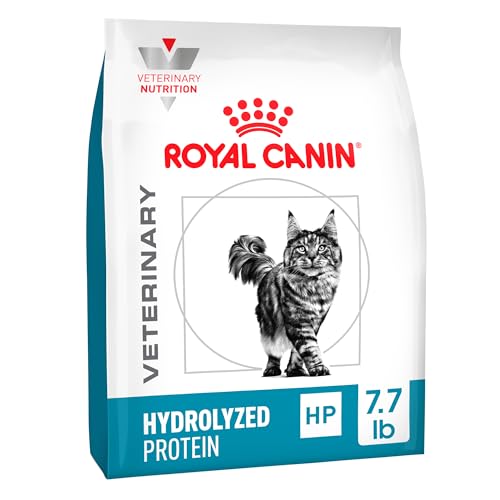
Best Wet Food: Royal Canin Veterinary Diet Hydrolyzed Protein Dry Cat Food. This veterinary-exclusive hydrolyzed protein diet is designed for cats with severe food al.
Our top pick is Purina Pro Plan Sensitive Skin & Stomach Salmon & Rice Formula. It offers high-quality salmon protein and omega-6 fatty acids to support skin health. For cats with more severe allergies, consider Hill’s Science Diet Sensitive Stomach & Skin. Budget-conscious owners can try Blue Buffalo Basics Limited Ingredient Diet.
What to consider for High Protein Cat Food For Itchy Skin
Itchy skin in cats often stems from food allergies or sensitivities. A high-protein diet with a novel or limited ingredient source can reduce allergic reactions. Omega-3 and omega-6 fatty acids are essential for skin barrier function. Also, ensure the food is complete and balanced for your cat’s life stage. Consulting a veterinarian is crucial before making dietary changes.
What to look for in a cat food
Look for an AAFCO statement confirming the food is complete and balanced for your cat’s life stage (adult, kitten, or senior). The first ingredient should be a named meat (e.g., chicken, salmon) to ensure high animal protein. Adequate taurine is essential for heart and eye health. For itchy skin, wet food can provide extra moisture, aiding urinary health. Choose a formula tailored to skin sensitivity if needed.
How we chose these picks
Evaluated protein content and source: named meat first, high animal protein.
Checked for added omega fatty acids to support skin health.
Reviewed ingredient lists for common allergens (corn, wheat, soy).
Ensured AAFCO nutritional adequacy for appropriate life stage.
Considered brand reputation and recall history.
Analyzed customer reviews for palatability and digestive tolerance.
Compared price per serving to offer options for different budgets.
Never ranked a product higher just because it pays a commission.
What to avoid
Avoid foods with no named meat or low animal protein content.
Steer clear of recipes lacking taurine or with artificial additives.
Do not default to all-life-stages food without checking if it meets your cat’s specific needs.
Never switch diets abruptly; transition over 7 to 10 days to avoid digestive upset.
Food allergies in cats are most commonly triggered by animal proteins like chicken, beef, or fish, not grains. A novel protein source (e.g., duck, venison) can be effective for itchy skin.
The Options
Types Explained
Dry Kibble
Convenient and shelf-stable, dry food often has higher carbohydrate content. It can help with dental health but may be lower in moisture.
Best for: Owners looking for affordable, easy-to-store options and cats that prefer crunchy textures.
Wet Food
High moisture content supports urinary health and hydration. It often has higher protein and lower carbs than dry food.
Best for: Cats prone to urinary issues, picky eaters, or those needing extra moisture.
Limited Ingredient Diet
Formulated with a single protein and minimal carbohydrate sources to reduce allergen exposure.
Best for: Cats with suspected food allergies or sensitivities.
Hydrolyzed Protein Diet
Proteins are broken into small peptides to avoid immune recognition. These are veterinary-prescription diets.
Best for: Cats with severe food allergies or inflammatory bowel disease, under veterinary guidance.
The Rankings
Top 5 Picks
#1
Best Overall
Purina Pro Plan Sensitive Skin & Stomach Salmon & Rice Formula Dry Cat Food
View on Amazon
This formula features salmon as the first ingredient, providing high-quality protein. It includes omega-6 fatty acids and vitamin A to support skin and coat health. The rice is gentle on digestion. One limitation is that it contains grains, which may not suit all cats with grain sensitivities.
Hill's uses prebiotic fiber to support digestive health and omega-6s for skin. Chicken is the primary protein source. It's highly digestible, but some cats may not like the chicken flavor. Also, it's on the pricier side compared to other options.
This limited-ingredient diet uses turkey as a single animal protein, reducing allergy risks. It contains omega-3 and omega-6 fatty acids. It's affordable, but the protein content is slightly lower than some competitors, and it includes potatoes as a carb source.
With 45% protein from turkey and chicken, this grain-free formula supports lean muscle. It includes omega fatty acids for skin health. However, the high protein may be too rich for cats with kidney issues, and it's more expensive.
Royal Canin Veterinary Diet Hydrolyzed Protein Dry Cat Food
View on Amazon
This veterinary-exclusive hydrolyzed protein diet is designed for cats with severe food allergies. It breaks down protein into tiny pieces to avoid triggering immune responses. It's highly effective but requires a vet prescription and is costly.
Choose a named meat like chicken, turkey, or salmon as the first ingredient. Novel proteins (e.g., duck, venison) can help if your cat has known allergies.
02
Omega Fatty Acids
Look for foods with added omega-3 (from fish oil) and omega-6 (from chicken fat) to support skin barrier function and reduce inflammation.
03
Limited Ingredients
Limited ingredient diets minimize the number of protein and carbohydrate sources, reducing the chance of allergic reactions.
04
Life Stage Appropriateness
Ensure the food is formulated for your cat's life stage (kitten, adult, senior) to meet specific nutritional needs.
05
AAFCO Statement
Verify the food meets AAFCO nutrient profiles for your cat's life stage to ensure it is complete and balanced.
Living With It
Care, Cost and Maintenance
Transitioning Foods
When switching to a new high-protein diet, gradually mix the new food with the old over 7 to 10 days. Start with 25% new food and 75% old, then increase by 25% every few days. This reduces digestive upset and allows your cat to adjust.
Monitoring Skin Health
After switching diets, observe your cat's skin and coat for improvements. It may take 8 to 12 weeks to see changes. If itching persists or worsens, consult your veterinarian for further allergy testing or dietary adjustments.
Portion Control
High-protein foods can be calorie-dense. Follow the feeding guide on the package and adjust based on your cat's activity level and body condition. Use a kitchen scale for accuracy and avoid free-feeding to prevent obesity.
Pro tip
When switching to a high-protein diet, mix the new food with the old over 7 to 10 days to avoid digestive upset. Add a probiotic supplement to support gut health during the transition.
Frequently asked questions
How much high-protein cat food should I feed my cat?
Feeding amounts vary by brand, your cat's weight, age, and activity level. As a general guideline, an average 10-pound adult cat needs about 200 to 250 calories per day. Check the product's feeding chart and adjust to maintain a healthy body condition. Consult your vet for personalized recommendations.
Is wet or dry high-protein cat food better for itchy skin?
Both can be effective, but wet food often contains higher moisture and fewer carbohydrates, which may benefit skin health. Wet food also helps with hydration, which supports overall skin condition. However, dry food is convenient and can be more affordable. Choose based on your cat's preference and your budget.
Should I choose grain-free high-protein cat food for itchy skin?
Grain-free diets are not necessarily better for itchy skin unless your cat has a confirmed grain allergy, which is rare. Most food allergies in cats are to animal proteins (e.g., chicken, beef). Focus on a novel or limited ingredient protein source rather than grain content. Always ensure the food is taurine-fortified.
Can I feed high-protein kitten food to an adult cat with itchy skin?
Kitten food is higher in calories and nutrients for growth, which may lead to obesity in adult cats. It is not recommended unless your cat has specific needs under veterinary guidance. Choose an adult formula that meets AAFCO standards for maintenance.
What high-protein cat food is best for senior cats with itchy skin?
Senior cats may benefit from a diet with moderate protein (to support muscle mass) and added joint support. Look for formulas with omega fatty acids and lower phosphorus for kidney health. Brands like Hill's Science Diet Senior or Purina Pro Plan Prime Plus are good options.
Can high-protein cat food help with urinary health?
High-protein diets can be beneficial for urinary health if they are formulated to maintain proper urine pH and include adequate moisture. Wet food is especially helpful. However, some high-protein diets may increase urine acidity; consult your vet if your cat has a history of urinary crystals.
Will high-protein cat food help my cat lose weight?
High-protein, low-carbohydrate diets can support weight loss by promoting satiety and preserving lean muscle. However, portion control is key. Look for a weight management formula that is high in protein but lower in calories. Combine with regular exercise and vet guidance.
What if my picky cat refuses high-protein food?
Try offering a variety of textures (pate, chunks in gravy) and flavors. Warm the food slightly to enhance aroma. Mix a small amount of a favorite treat or topper. Gradual transition is important. If your cat consistently refuses, consult your vet to rule out underlying issues.
How long does it take for a high-protein diet to improve itchy skin?
Improvements in skin and coat condition can take 8 to 12 weeks after switching to a suitable diet. If no improvement is seen, your cat may have environmental allergies or other health issues. A veterinary dermatologist can help identify the cause.
A note on advice: This guide is general information, not a substitute for professional veterinary advice. Talk to your vet before changing your pet's diet or care routine, especially if your pet has allergies, kidney disease, pancreatitis, obesity, heart disease or any other medical condition.
Transparency
How we made this guide
How we chose. We compared the options on the factors that matter most for Cat Food, using manufacturer specifications, aggregated verified owner reviews and editorial comparison. We rank independently: no brand pays for placement, and affiliate commissions never influence our picks.
How it was written. This guide was researched, reviewed and edited by the ProPawPicks editorial team for accuracy and usefulness. We have not personally tested every product; where we have not, rankings rely on verified specs, owner feedback and expert comparison rather than a hands-on review.
Affiliate disclosure. ProPawPicks is reader-supported. If you buy through links on our site, we may earn a commission at no extra cost to you. See our affiliate disclosure.
Some links below are affiliate links. If you buy through them we may earn a small commission at no extra cost to you. Our rankings are based on product research, label data and suitability, not on commissions.