๐Ÿ† Complete Buyer's Guide ยท Cat Food

High Protein Cat Food Without Grains: A Buyer’s Guide

Cats are obligate carnivores needing animal protein. Compare 5 grain-free picks like Tiki Cat Born Carnivore that mimic natural prey while being complete and balanced for your cat.

Some links below are affiliate links. If you buy through them we may earn a small commission at no extra cost to you. Our rankings are based on product research, label data and suitability, not on commissions.

Tiki Cat Born Carnivore High Protein Dry Food, Chicken, 5 lb โ˜… Top Pick: Tiki Cat Born Carnivore High Protein Dry Food, Chicโ€ฆ Check Price on Amazon →
40%+
Minimum protein (dry matter) for high-protein foods
0.1%
Minimum taurine content recommended (dry matter)
78%
Average moisture in wet food supporting urinary health
7-10 days
Recommended transition period for new food
โšก Key takeaways
  • Best Overall: Tiki Cat Born Carnivore High Protein Dry Food, Chicken, 5 lb. With 48% protein from chicken and chicken meal, Tiki Cat Born Carnivore delivers exception.
  • Best Budget: Purina Pro Plan True Nature Natural Grain Free Pate, Chicken & Liver, 13 oz (12 pack). This wet food offers high protein from real chicken and liver at an affordable price.
  • Best for Sensitive Stomach: Wellness CORE Grain-Free Digestive Health Dry Cat Food, Chicken, 4 lb. Wellness CORE Digestive Health features 44% protein from deboned chicken plus probiotics a.
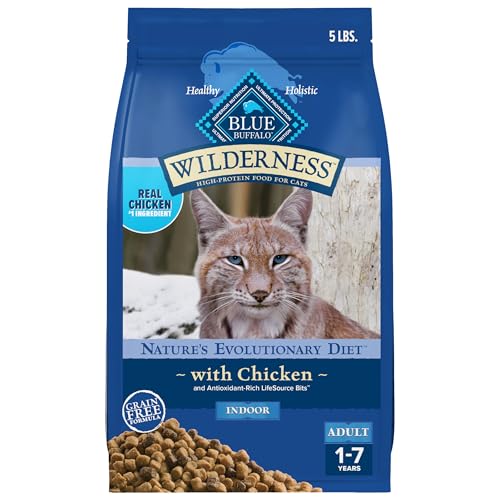
  • Best for Weight Management: Blue Buffalo Wilderness High Protein Grain Free Dry Cat Food, Chicken, 5 lb. Blue Buffalo Wilderness provides 40% protein from deboned chicken with lower fat for weigh.
  • Best Wet Food: Instinct Original Grain Free Pate Wet Cat Food, Chicken, 5.5 oz (12 pack). Instinct Original Pate features 95% chicken, turkey, and chicken liver, with 11% protein a.
At a Glance

Quick Comparison

Quick answer

The best high protein cat food without grains is Tiki Cat Born Carnivore High Protein Dry Food, offering 48% protein from named meat sources. It’s ideal for active cats. For a budget-friendly wet option, Purina Pro Plan True Nature Natural Grain Free Pate provides high protein at a lower cost. If your cat has a sensitive stomach, consider Wellness CORE Grain-Free Digestive Health.

What to consider for High Protein Cat Food Without Grains

When choosing a high protein, grain-free cat food, focus on the protein source and content. Look for a named meat (like chicken, salmon, or rabbit) as the first ingredient. Cats are obligate carnivores, so animal protein should dominate. Also consider the moisture level: wet food provides hydration, which supports urinary health. Check for added taurine, an essential amino acid. Finally, ensure the food is AAFCO complete and balanced for your cat’s life stage.

What to look for in a cat food

First, verify an AAFCO statement confirming the food is complete and balanced for your cat’s life stage (kitten, adult, or senior). The first ingredient should be a named meat source like chicken, turkey, or fish. High protein content (over 40% on a dry matter basis) is ideal for most cats. Taurine must be added, as cats cannot synthesize it. For wet food, higher moisture helps prevent urinary issues. Also consider special needs: for weight management, lower fat; for seniors, joint support ingredients like glucosamine.

How we chose these picks

  • Evaluated protein content and source (named meat first)
  • Checked for grain-free formulation and no artificial additives
  • Reviewed AAFCO nutrient profiles for life-stage appropriateness
  • Considered brand reputation and recall history
  • Compared price per serving for value
  • Read customer feedback on palatability and digestive tolerance
  • Consulted veterinary nutrition guidelines from WSAVA
  • Never ranked a product higher just because it pays a commission

What to avoid

  • Avoid foods with unnamed meat by-products or vague protein sources
  • Steer clear of recipes deficient in taurine (always check label)
  • Don’t default to all-life-stages food for seniors or kittens without checking specific needs
  • Avoid abrupt diet changes; transition over 7 to 10 days to prevent digestive upset

For more guidance, explore our cat guides, cat food reviews, and cat health tips.
Why this matters

Cats are obligate carnivores, meaning they require animal-sourced protein for essential amino acids like taurine. High-protein grain-free diets can mimic their natural prey, but it's crucial to ensure the food is nutritionally complete and balanced for your cat's life stage.

The Options

Types Explained

Dry kibble

Convenient, shelf-stable, and helps reduce plaque. Typically lower in moisture (around 10%). High-protein dry foods can have 40-50% protein. Suitable for free-feeding but may not provide enough hydration.

Best for: Owners who prefer convenience and cats that drink water readily.

Wet pate

High moisture (around 78%) and palatable. Often higher in animal protein and lower in carbohydrates. Supports urinary health and hydration. Can be more expensive and less convenient for storage.

Best for: Cats that need extra hydration or are picky eaters.

Shredded or flaked

Wet food with visible meat shreds in gravy or broth. Enticing texture for many cats. Protein content varies. Some products may contain thickeners like carrageenan.

Best for: Cats that enjoy variety in texture and need moisture.

Freeze-dried raw

Minimally processed, high protein, and grain-free. Rehydrate before feeding. Preserves natural nutrients. Expensive and requires preparation. Not suitable for cats with compromised immune systems without vet approval.

Best for: Owners seeking a raw diet with convenience.
The Rankings

Top 5 Picks

#1
Tiki Cat Born Carnivore High Protein Dry Food, Chicken, 5 lb
Best Overall

Tiki Cat Born Carnivore High Protein Dry Food, Chicken, 5 lb

View on Amazon

With 48% protein from chicken and chicken meal, Tiki Cat Born Carnivore delivers exceptional protein for active cats. It includes taurine and probiotics for digestion. However, the high protein may be too rich for cats with kidney issues, and it is pricier than many dry foods.

#2
Purina Pro Plan True Nature Natural Grain Free Pate, Chicken & Liver, 13 oz (12 pack)
Best Budget

Purina Pro Plan True Nature Natural Grain Free Pate, Chicken & Liver, 13 oz (12 pack)

View on Amazon

This wet food offers high protein from real chicken and liver at an affordable price. It's grain-free and contains no artificial colors or preservatives. The pate texture is easy to eat, but some cats may prefer chunkier textures, and it has a slightly lower protein percentage than premium brands.

#3
Wellness CORE Grain-Free Digestive Health Dry Cat Food, Chicken, 4 lb
Best for Sensitive Stomach

Wellness CORE Grain-Free Digestive Health Dry Cat Food, Chicken, 4 lb

View on Amazon

Wellness CORE Digestive Health features 44% protein from deboned chicken plus probiotics and prebiotic fiber for digestive support. It's grain-free and includes taurine. The added pumpkin and papaya aid digestion, but the kibble size is small, which may not satisfy hard chewers.

#4
Blue Buffalo Wilderness High Protein Grain Free Dry Cat Food, Chicken, 5 lb
Best for Weight Management

Blue Buffalo Wilderness High Protein Grain Free Dry Cat Food, Chicken, 5 lb

View on Amazon

Blue Buffalo Wilderness provides 40% protein from deboned chicken with lower fat for weight control. It includes LifeSource Bits for antioxidants. The grain-free formula supports lean muscle. However, some cats may find the kibble too hard, and the protein source is limited to chicken.

#5
Instinct Original Grain Free Pate Wet Cat Food, Chicken, 5.5 oz (12 pack)
Best Wet Food

Instinct Original Grain Free Pate Wet Cat Food, Chicken, 5.5 oz (12 pack)

View on Amazon

Instinct Original Pate features 95% chicken, turkey, and chicken liver, with 11% protein and high moisture for hydration. It's grain-free and contains no carrageenan. The smooth pate is palatable, but the small cans may not be cost-effective for multi-cat households, and some cats may need more variety.

Before You Buy

Key Buying Factors

01

Protein content and source

Look for a minimum of 40% protein on a dry matter basis. The first ingredient should be a named animal protein like chicken, turkey, or fish. Avoid vague terms like 'meat meal'.

02

Grain-free formulation

Grain-free foods replace grains with potatoes, peas, or lentils. Ensure the food still meets AAFCO standards. Some cats may have grain sensitivities, but grain-free is not necessary for all.

03

Taurine supplementation

Taurine is essential for heart and eye health. Verify that the food lists added taurine. A minimum of 0.1% on a dry matter basis is recommended for cats.

04

Moisture content

Wet food has higher moisture (around 78%) which helps prevent urinary tract issues. Dry food has about 10% moisture. A combination can provide benefits.

05

Life-stage appropriateness

Kittens need more protein and calories, while seniors may require lower phosphorus. Choose a food formulated for your cat's life stage to ensure proper nutrient balance.

Living With It

Care, Cost and Maintenance

Transitioning to a new food

Gradually mix the new food with the old over 7 to 10 days. Start with 25% new food and 75% old, then increase by 25% every few days. Monitor for digestive upset like vomiting or diarrhea. If issues occur, slow the transition. Consult your vet if problems persist.

Feeding amounts and schedule

Follow the feeding guide on the package based on your cat's weight and activity level. Divide daily portion into 2 to 3 meals. Adjust as needed to maintain a healthy body condition. Cats should have access to fresh water at all times.

Monitoring health and weight

Regularly check your cat's weight and body condition score. Feel for ribs with a thin fat layer. If your cat is gaining weight, reduce portions or switch to a weight management formula. Annual vet checkups help assess diet effectiveness.

Pro tip

When switching to a high-protein grain-free food, mix the new food with the old over 7 to 10 days to prevent digestive upset. Monitor your cat's stool and appetite during the transition.

Frequently asked questions

How much high-protein grain-free food should I feed my cat?
Feeding amounts vary by brand, cat weight, and activity level. As a general guideline, an adult cat needs about 20 to 30 calories per pound of body weight daily. Check the package for specific recommendations. Start with the suggested amount and adjust to maintain a healthy weight. Divide into two meals. Monitor your cat's body condition and consult your vet for personalized advice.
Is wet or dry high-protein grain-free food better for cats?
Both have benefits. Wet food provides moisture (about 78%) which supports urinary health and hydration, ideal for cats that don't drink enough. Dry food is convenient and can help with dental health. A combination can offer the best of both. For high protein, both forms can be excellent. Choose based on your cat's preferences and health needs. Always ensure fresh water is available.
Is grain-free cat food safe regarding taurine?
Grain-free cat foods can be safe as long as they are formulated with adequate taurine. Taurine is an essential amino acid that cats must get from diet. Reputable grain-free brands add taurine to meet AAFCO standards. Check the label for guaranteed taurine levels (minimum 0.1% dry matter). Avoid homemade or unbranded diets that may lack taurine. Consult your vet if unsure.
Can kittens eat high-protein grain-free food?
Yes, kittens need high protein for growth, but they require a formula specifically for kittens. Kitten foods have adjusted calcium, phosphorus, and DHA levels. Some grain-free kitten foods are available, but ensure they are AAFCO-approved for growth. Avoid feeding adult high-protein food to kittens long-term, as it may not meet all nutritional needs. Always transition gradually.
What should I feed a senior cat on a high-protein grain-free diet?
Senior cats often benefit from high protein to maintain muscle mass, but they may have kidney or thyroid issues. Choose a senior formula with moderate phosphorus and added joint support. Grain-free options are fine. Consult your vet to adjust protein levels based on kidney function. Monitor weight and hydration. Wet food can help with hydration and ease of eating.
Can high-protein grain-free food help with urinary health?
High-protein diets can affect urine pH, potentially increasing the risk of crystals in some cats. However, grain-free foods are not inherently problematic. Wet food's high moisture is beneficial for urinary health by diluting urine. Look for foods that promote a healthy pH (around 6.2 to 6.4) and contain adequate moisture. If your cat has a history of urinary issues, consult your vet before changing diet.
Is high-protein grain-free food good for weight management in cats?
High-protein diets can help with weight management by promoting satiety and preserving lean muscle. Choose a formula with moderate fat and calories. Grain-free does not mean low-carb; check carbohydrate content. Portion control is key. Some high-protein foods are specifically designed for weight loss. Combine with exercise and vet guidance for best results.
What if my cat is a picky eater and refuses high-protein grain-free food?
Picky cats may need texture or flavor variety. Try different proteins like chicken, fish, or rabbit. Offer both wet and dry forms. Warm wet food slightly to enhance aroma. Mix a small amount of a favorite treat. Gradually transition by mixing with current food. If refusal persists, consult your vet to rule out health issues. Some cats prefer pate over shreds or vice versa.
Can high-protein grain-free food cause digestive issues?
Some cats may experience loose stools or gas if the protein level is too high or if they are sensitive to certain ingredients like legumes. Introduce new food slowly over 7 to 10 days. Choose foods with probiotics or prebiotics for digestive support. If issues continue, try a different protein source or consult your vet. Grain-free is not necessarily easier to digest for all cats.
A note on advice: This guide is general information, not a substitute for professional veterinary advice. Talk to your vet before changing your dog's diet or care routine, especially if your dog has allergies, kidney disease, pancreatitis, obesity, heart disease or any other medical condition.
Transparency

How we made this guide

How we chose. We compared the options on the factors that matter most for Cat Food, using manufacturer specifications, aggregated verified owner reviews and editorial comparison. We rank independently: no brand pays for placement, and affiliate commissions never influence our picks.

How it was written. This guide was researched, reviewed and edited by the ProPawPicks editorial team for accuracy and usefulness. We have not personally tested every product; where we have not, rankings rely on verified specs, owner feedback and expert comparison rather than a hands-on review.

Affiliate disclosure. ProPawPicks is reader-supported. If you buy through links on our site, we may earn a commission at no extra cost to you. See our affiliate disclosure.

Keep Reading

More Cat Food guides

Expert Picks: Best Insulation for Outdoor Cat Houses (2026)View picks โ†’Interactive Cat Toys That Mimic Prey: 2026 Top PicksView picks โ†’Indoor cat fences: best invisible dog fence for cats in 2026View picks โ†’Invisible Fence for Cat, RankedView picks โ†’Jewelry Monster Friend Cat Necklaces: What to Look ForView picks โ†’Experts Pick: Johnson’s Baby Shampoos (Not for Cats)View picks โ†’

Sources and further reading

Some links below are affiliate links. If you buy through them we may earn a small commission at no extra cost to you. Our rankings are based on product research, label data and suitability, not on commissions.