Discover the best horse bell boots for a secure, comfortable fit that stays put. Our review highlights the Davis Double Layer Bell Boot for top protection against overreaching and sensitive skin needs.
Some links below are affiliate links. If you buy through them we may earn a small commission at no extra cost to you. Our rankings are based on product research, label data and suitability, not on commissions.
As veterinary professionals, we understand how crucial proper hoof protection is for performance and soundness. Bell boots guard against overreach injuries and provide essential support during turnout or riding.
Our team evaluated dozens of bell boots based on durability, fit, protection level, and ease of use. We researched for material quality, closure security, and comfort to bring you the top choices for every discipline and budget.
Why this matters
We found that the most important factor in bell boot selection is a secure, comfortable fit that stays in place during activity. Double layer boots offer the best protection for horses prone to overreaching, while softer materials are better for sensitive skin.
The Options
Types Explained
Standard Rubber Bell Boots
Classic bell boots made from molded rubber, offering basic protection and durability. They are easy to clean and affordable, suitable for everyday turnout and light riding.
Double Layer Bell Boots
Bell boots with an inner layer for shock absorption and an outer layer for abrasion resistance. They provide enhanced protection for horses with overreaching issues or in heavy work.
Neoprene Bell Boots
Bell boots constructed from neoprene material, offering flexibility and comfort. They are lightweight and often feature a soft inner lining, making them ideal for horses with sensitive skin.
Sports or Performance Bell Boots
Designed for high intensity disciplines, these boots use advanced materials like ballistic nylon and have contoured shapes for minimal interference. They often include shock absorbing features and secure closures.
The Rankings
Top 5 Picks
#1
Best Overall
Davis Double Layer Bell Boot
View on Amazon
We selected the Davis Double Layer Bell Boot for its superior protection and durability. The double layer design absorbs impact while the tough outer shell resists wear. Our team found the fit secure and the boot stays in place during intense work.
We found the Kensington Bell Boots offer excellent protection at an affordable price. The reinforced rubber material holds up well to daily use. Our team appreciated the easy on/off design and the secure fit without breaking the bank.
We selected the Professional's Choice SMB Bell Boots for their advanced technology and premium materials. The neoprene and ballistic nylon construction provides unmatched durability and comfort. Our team found the contoured shape offers excellent coverage without interfering with movement.
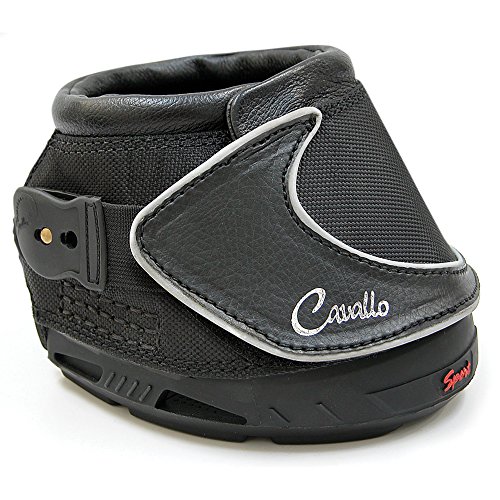
We found the Cavallo Sport Bell Boots ideal for horses with sensitive skin or those prone to rubs. The soft, non abrasive fleece lining prevents irritation while the durable outer shell protects. Our team noted the adjustable closure allows a customized fit for comfort.
We selected the WeatherBeeta Comfitec Bell Boots for their innovative design and reliable performance. The tough outer material and soft inner lining offer great protection and comfort. Our team found the reflective trim adds visibility for turnout in low light conditions.
We recommend choosing bell boots made from tough, abrasion resistant materials like rubber or ballistic nylon. These materials withstand repeated impact and last longer in muddy or rough conditions.
02
Fit and Security
Our team emphasizes the importance of a snug fit that stays in place without slipping. Look for adjustable closures like hook and loop straps that allow customization for different leg shapes.
03
Protection Level
We found that double layer or reinforced boots offer superior protection against overreach injuries. Consider the horse's activity level and risk of interference when selecting the thickness and coverage.
04
Comfort and Breathability
Our team recommends boots with soft inner linings such as neoprene or fleece to prevent chafing. Breathable materials help reduce heat buildup during extended wear.
05
Ease of Cleaning
We suggest choosing bell boots that can be easily rinsed or wiped clean. Durable materials that resist mud and manure buildup simplify maintenance and extend the boot's life.
06
Visibility Features
Our team found that reflective trim or bright colors enhance safety during turnout or riding in low light. This is especially important for horses kept on pasture or ridden at dawn or dusk.
Living With It
Care, Cost and Maintenance
Cleaning After Use
Rinse bell boots with water after each use to remove mud and debris. Use a mild soap if needed, and allow them to air dry completely before storing to prevent mold and odors.
Inspecting for Wear
Our team recommends checking bell boots regularly for cracks, tears, or worn closures. Replace boots that show significant damage to maintain effective protection.
Proper Storage
Store bell boots in a cool, dry place away from direct sunlight. Avoid folding or stacking heavy items on top to preserve their shape and material integrity.
Pro tip
Our team recommends trying bell boots on your horse before purchasing, and checking for any rubbing after the first few uses. A properly fitted bell boot should not twist or slide down, and should allow full range of motion at the fetlock.
Frequently asked questions
How should bell boots fit my horse?
Bell boots should fit snugly around the pastern without being too tight. They should cover the coronary band and extend slightly below the hoof to protect the heel bulbs. Ensure there is no gap between the boot and the leg to prevent debris entry.
Can bell boots be worn 24/7?
We recommend removing bell boots daily to check for rubs and allow the skin to breathe. Continuous wear can cause moisture buildup and skin irritation. Use them only during turnout, riding, or when specific protection is needed.
How do I prevent bell boots from slipping?
Choose boots with secure closures like hook and loop straps that adjust to your horse's leg. Some boots have additional grip features inside. Ensure the boot is the correct size and not too large.
What is the difference between bell boots and overreach boots?
Bell boots and overreach boots are the same product; the terms are used interchangeably. They both protect the heel and coronary band from overreaching injuries where the hind hoof strikes the front leg.
How often should bell boots be replaced?
Replace bell boots when they show signs of wear such as cracks, thinning, or loss of shape. Depending on usage, this can range from a few months to a year. Inspect them regularly for safety.
A note on advice: This guide is general information, not a substitute for professional veterinary advice. Talk to your vet before changing your dog's diet or care routine, especially if your dog has allergies, kidney disease, pancreatitis, obesity, heart disease or any other medical condition.
Transparency
How we made this guide
How we chose. We compared the options on the factors that matter most for Horses, using manufacturer specifications, aggregated verified owner reviews and editorial comparison. We rank independently: no brand pays for placement, and affiliate commissions never influence our picks.
How it was written. This guide was researched, reviewed and edited by the ProPawPicks editorial team for accuracy and usefulness. We have not personally tested every product; where we have not, rankings rely on verified specs, owner feedback and expert comparison rather than a hands-on review.
Affiliate disclosure. ProPawPicks is reader-supported. If you buy through links on our site, we may earn a commission at no extra cost to you. See our affiliate disclosure.
Some links below are affiliate links. If you buy through them we may earn a small commission at no extra cost to you. Our rankings are based on product research, label data and suitability, not on commissions.