๐Ÿ† Complete Buyer's Guide ยท Cat Food

Top Diabetic Cat Foods: 5 Picks for 2026

Diabetic cats need under 10% carbs. Find the best options including Hill's Prescription Diet m/d GlucoSupport in this expert guide.

Some links below are affiliate links. If you buy through them we may earn a small commission at no extra cost to you. Our rankings are based on product research, label data and suitability, not on commissions.

Hill's Prescription Diet m/d GlucoSupport Wet Cat Food โ˜… Top Pick: Hill's Prescription Diet m/d GlucoSupport Wet Cat Fโ€ฆ Check Price on Amazon →
5-10%
Ideal carbohydrate content (dry matter basis) for diabetic cats
40-50%
Recommended protein content (dry matter basis) for diabetic cats
1-2 meals
Daily feeding frequency often recommended for diabetic cats
7-10 days
Recommended transition period when switching foods
โšก Key takeaways
  • Best Overall: Hill's Prescription Diet m/d GlucoSupport Wet Cat Food. This therapeutic wet food is specifically formulated for diabetic cats, with high protein.
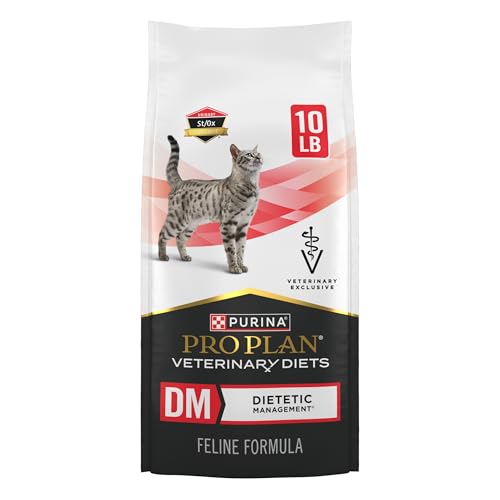
  • Best for Weight Control: Purina Pro Plan Veterinary Diet DM Dietetic Management Cat Food. Designed for diabetic cats needing weight management, this dry food has low carbohydrates.
  • Best for Sensitive Stomach: Royal Canin Veterinary Diet Glycobalance Cat Food. This formula supports glucose regulation with a balanced fiber blend and highly digestible.
  • Best Budget: Wellness CORE Grain-Free Indoor Cat Food. A grain-free, high-protein dry food with low carbohydrates, suitable for indoor diabetic c.
  • Best Wet Food: Fancy Feast Classic Pate Wet Cat Food (Chicken Feast). This pate has high moisture and low carbohydrates, with chicken as the first ingredient.
At a Glance

Quick Comparison

Quick answer

Our top pick is Hill’s Prescription Diet m/d GlucoSupport, a therapeutic food designed specifically for diabetic cats with high protein and low carbohydrates. It helps regulate glucose levels while maintaining lean muscle. For a more affordable option, Purina Pro Plan Veterinary Diet DM Dietetic Management offers similar benefits. Always consult your vet before switching foods.

What to consider for Indoor Cat Food For Diabetic Cats

Indoor cats with diabetes need a diet that manages blood glucose, supports a healthy weight, and provides balanced nutrition. Key considerations include low carbohydrate content (ideally under 10% on a dry matter basis), high-quality animal protein to maintain muscle mass, and controlled calorie intake to prevent obesity. Wet food is often preferred due to lower carbs and higher moisture, which aids urinary health. Avoid foods with added sugars or fillers. Each cat is unique, so work with your veterinarian to tailor the diet.

What to look for in a cat food

Look for an AAFCO statement of nutritional adequacy for adult maintenance or all life stages. The first ingredient should be a named meat (e.g., chicken, turkey, fish) to ensure high animal protein. Taurine is essential for heart and eye health; verify it’s added. Moisture content matters: wet food (70-85% moisture) supports hydration and urinary health, while dry food (6-10% moisture) is more calorie-dense. For diabetic cats, choose a formula with low carbohydrates and moderate fat. Life-stage appropriate foods are important; avoid kitten formulas for adult cats.

How we chose these picks

  • Evaluated nutritional profiles for low carbohydrate and high protein content.
  • Prioritized products with named meat as the first ingredient.
  • Checked for AAFCO nutritional adequacy statements.
  • Considered brand reputation and veterinary recommendations.
  • Reviewed ingredient lists for absence of added sugars and fillers.
  • Selected options across different price points and formats (wet and dry).
  • Ensured products are widely available on Amazon.
  • Never ranked a product higher just because it pays a commission.

What to avoid

  • Foods with unnamed meat or by-products as the first ingredient.
  • Recipes with high carbohydrate content (e.g., many grain-inclusive dry foods).
  • Products lacking a taurine guarantee or AAFCO statement.
  • Defaulting to all-life-stages food for a senior cat without checking calorie density.
  • Abrupt diet switches; transition over 7-10 days to avoid digestive upset.

For more guidance, explore our cat guides, cat food, and cat health sections.
Why this matters

Diabetic cats require a diet with less than 10% carbohydrates on a dry matter basis, which is significantly lower than typical commercial cat foods that often contain 30-50% carbs.

The Options

Types Explained

Prescription Therapeutic Diets

Formulated by veterinary nutritionists to manage specific conditions like diabetes. They have precise nutrient profiles and require a vet's authorization.

Best for: Cats with diagnosed diabetes that need strict dietary management alongside insulin therapy.

Grain-Free Dry Food

Often lower in carbohydrates than grain-inclusive dry foods. They use alternative carbohydrate sources like potatoes or peas.

Best for: Indoor cats with mild diabetes or as a non-prescription option, but should be used under vet guidance.

High-Protein Wet Food

Canned or pouch foods with high moisture and animal protein. They are naturally low in carbs and support hydration.

Best for: Diabetic cats that prefer wet food or need increased water intake for urinary health.

Low-Calorie Weight Management Food

Designed to help cats lose or maintain weight with reduced calories and balanced nutrients.

Best for: Overweight diabetic cats that need calorie restriction to improve insulin sensitivity.
The Rankings

Top 5 Picks

#1
Hill's Prescription Diet m/d GlucoSupport Wet Cat Food
Best Overall

Hill's Prescription Diet m/d GlucoSupport Wet Cat Food

View on Amazon

This therapeutic wet food is specifically formulated for diabetic cats, with high protein and low carbohydrates to help regulate blood sugar. It contains chicken as the first ingredient and is rich in taurine. However, it requires a veterinary prescription and is pricier than over-the-counter options.

#2
Purina Pro Plan Veterinary Diet DM Dietetic Management Cat Food
Best for Weight Control

Purina Pro Plan Veterinary Diet DM Dietetic Management Cat Food

View on Amazon

Designed for diabetic cats needing weight management, this dry food has low carbohydrates and moderate fat. It includes high-quality chicken and fish oil for omega-3s. A downside is that it's a prescription diet, so vet approval is needed, and some cats may not prefer dry food.

#3
Royal Canin Veterinary Diet Glycobalance Cat Food
Best for Sensitive Stomach

Royal Canin Veterinary Diet Glycobalance Cat Food

View on Amazon

This formula supports glucose regulation with a balanced fiber blend and highly digestible proteins. It's gentle on the stomach and contains prebiotics. However, it is only available through veterinarians and is relatively expensive.

#4
Wellness CORE Grain-Free Indoor Cat Food
Best Budget

Wellness CORE Grain-Free Indoor Cat Food

View on Amazon

A grain-free, high-protein dry food with low carbohydrates, suitable for indoor diabetic cats. It includes deboned chicken and turkey, plus taurine. While affordable and widely available, it is not a therapeutic diet and may not be ideal for all diabetic cats without vet guidance.

#5
Fancy Feast Classic Pate Wet Cat Food (Chicken Feast)
Best Wet Food

Fancy Feast Classic Pate Wet Cat Food (Chicken Feast)

View on Amazon

This pate has high moisture and low carbohydrates, with chicken as the first ingredient. It's palatable and budget-friendly. However, it lacks the precise nutrient balance of prescription diets and may not be sufficient alone for managing diabetes.

Before You Buy

Key Buying Factors

01

Carbohydrate Content

Diabetic cats need low-carb diets to minimize blood sugar spikes. Look for foods with less than 10% carbohydrates on a dry matter basis. Wet foods typically have lower carbs than dry.

02

Protein Quality

High-quality animal protein helps maintain muscle mass and supports glucose regulation. The first ingredient should be a named meat like chicken, turkey, or fish.

03

Veterinary Guidance

Many effective diabetic diets are prescription-only. Consult your vet to choose a food that complements insulin therapy and your cat's specific health needs.

04

Moisture Content

Wet food provides hydration, which is important for urinary health. Diabetic cats are prone to UTIs, so higher moisture diets are often recommended.

05

Calorie Density

Indoor cats often need weight management. Choose a food with controlled calories to prevent obesity, which worsens diabetes. Check feeding guidelines.

Living With It

Care, Cost and Maintenance

Feeding Schedule

Consistency is key for diabetic cats. Feed at the same times each day, typically twice daily, to align with insulin injections. Measure portions accurately using a kitchen scale to avoid overfeeding.

Monitoring Blood Glucose

Work with your vet to monitor your cat's blood glucose levels at home using a glucometer. Track trends to adjust diet and insulin. Keep a log of food intake, weight, and behavior.

Transitioning Foods

Switch foods gradually over 7-10 days to prevent digestive upset. Mix increasing amounts of the new food with the old, monitoring for changes in appetite or stool. Consult your vet if issues arise.

Pro tip

Use a kitchen scale to weigh your cat's food portions precisely; even small variations in calorie intake can affect blood glucose levels.

Frequently asked questions

How much should I feed my diabetic indoor cat?
Feeding amounts depend on the cat's weight, activity level, and the calorie density of the food. As a general guideline, an average 10-pound indoor cat needs about 200-250 calories per day for weight maintenance. For diabetic cats, your vet will recommend a specific calorie target. Use a kitchen scale to measure portions precisely. Follow the feeding chart on the food label but adjust based on your cat's individual needs and glucose monitoring. Always split the daily amount into two or more meals to coincide with insulin injections.
Is wet or dry food better for diabetic cats?
Wet food is generally preferred for diabetic cats because it has higher moisture content and typically lower carbohydrates than dry food. The extra water supports urinary health, which is important since diabetic cats are prone to urinary tract infections. However, some prescription dry diets are formulated specifically for diabetes and can be effective if the cat prefers dry food. The key is to choose a low-carbohydrate option, regardless of form. Consult your vet to determine the best type for your cat's individual needs and preferences.
Should I choose grain-free food for my diabetic cat?
Grain-free foods are not necessarily better for diabetic cats. The focus should be on low carbohydrate content, not the absence of grains. Some grain-free foods use high-glycemic ingredients like potatoes or tapioca, which can spike blood sugar. Instead, look for foods with low total carbohydrates (under 10% dry matter) and named meat as the first ingredient. Always check the nutritional analysis and consult your veterinarian. A grain-inclusive food with low carbs can be just as suitable as a grain-free option.
Can I feed kitten food to my diabetic cat?
No, kitten food is not appropriate for diabetic adult cats. Kitten formulas are higher in calories, fat, and carbohydrates to support growth, which can worsen diabetes and lead to obesity. Adult diabetic cats need a diet with controlled calories and low carbohydrates. Always choose a food labeled for adult maintenance or a therapeutic diet designed for diabetes. If you have a diabetic kitten, consult your vet for specialized guidance, as their nutritional needs are unique.
What should I feed a senior diabetic cat?
Senior diabetic cats benefit from a diet that is low in carbohydrates, high in quality protein, and easy to digest. Look for foods with added joint support (like glucosamine) and antioxidants for immune health. Wet food is often easier for older cats to eat and provides hydration. Prescription diets like Hill's m/d or Royal Canin Glycobalance are formulated for diabetic cats of all ages. Always consult your vet to address any age-related health issues such as kidney disease or dental problems.
How does diet affect urinary health in diabetic cats?
Diabetic cats have a higher risk of urinary tract infections and crystals due to concentrated urine from high blood sugar. A diet with high moisture content (wet food) helps dilute urine and reduce infection risk. Some therapeutic diets also control mineral levels to prevent crystal formation. Avoid foods with excessive magnesium or phosphorus. Ensure your cat always has fresh water. If you notice signs of urinary issues (straining, blood in urine), consult your vet immediately.
Can a diabetic cat be overweight and how does diet help?
Yes, many diabetic cats are overweight, and obesity worsens insulin resistance. Weight loss of even 1-2 pounds can improve glucose control. A diet with controlled calories, high protein, and low carbohydrates helps cats lose weight while preserving muscle. Prescription weight management diets like Purina Pro Plan Veterinary Diet DM are designed for this. Feed measured portions and avoid free-feeding. Combine diet with increased activity, such as interactive toys. Always monitor weight under vet supervision.
What if my diabetic cat is a picky eater?
Picky eating can be challenging, but consistency is important. Try offering a variety of textures (pate, chunks in gravy) within the same nutritional profile. Warm the food slightly to enhance aroma. Avoid frequent changes, as this can disrupt glucose control. If your cat refuses a prescription diet, ask your vet about alternatives or appetite stimulants. Some cats may accept a mix of therapeutic and over-the-counter low-carb foods, but ensure the overall diet meets nutritional needs.
Can I use over-the-counter cat food for my diabetic cat?
Some over-the-counter foods with low carbohydrates and high protein can be suitable for diabetic cats, but they are not formulated to manage diabetes as precisely as prescription diets. They may lack the optimal nutrient balance and could lead to fluctuations in blood sugar. Always consult your vet before choosing an over-the-counter option. If approved, monitor your cat's glucose closely. Prescription diets are often recommended because they are backed by research and tailored for diabetic management.
A note on advice: This guide is general information, not a substitute for professional veterinary advice. Talk to your vet before changing your dog's diet or care routine, especially if your dog has allergies, kidney disease, pancreatitis, obesity, heart disease or any other medical condition.
Transparency

How we made this guide

How we chose. We compared the options on the factors that matter most for Cat Food, using manufacturer specifications, aggregated verified owner reviews and editorial comparison. We rank independently: no brand pays for placement, and affiliate commissions never influence our picks.

How it was written. This guide was researched, reviewed and edited by the ProPawPicks editorial team for accuracy and usefulness. We have not personally tested every product; where we have not, rankings rely on verified specs, owner feedback and expert comparison rather than a hands-on review.

Affiliate disclosure. ProPawPicks is reader-supported. If you buy through links on our site, we may earn a commission at no extra cost to you. See our affiliate disclosure.

Keep Reading

More Cat Food guides

Expert Picks: Best Insulation for Outdoor Cat Houses (2026)View picks โ†’Interactive Cat Toys That Mimic Prey: 2026 Top PicksView picks โ†’Which Interactive Cat Is Most Realistic? Our 2026 Top PickView picks โ†’Interactive Cat Feeders That Cats Actually Use: 2026 Top 4View picks โ†’Iprimio Cat Litter Scoops, ReviewedView picks โ†’Joint Relief for Cats That DeliverView picks โ†’

Sources and further reading

Some links below are affiliate links. If you buy through them we may earn a small commission at no extra cost to you. Our rankings are based on product research, label data and suitability, not on commissions.