๐Ÿ† Complete Buyer's Guide ยท Dog Food

2026 Large Breed Dog Food Without Peas: 5 Best Picks

Concerned about peas and DCM in large breeds? Compare 5 top-rated pea-free recipes, including Purina Pro Plan, to support your big dog's heart health in 2026.

Some links below are affiliate links. If you buy through them we may earn a small commission at no extra cost to you. Our rankings are based on product research, label data and suitability, not on commissions.

Purina Pro Plan Large Breed Adult Chicken & Rice Formula โ˜… Top Pick: Purina Pro Plan Large Breed Adult Chicken & Rice Foโ€ฆ Check Price on Amazon →
3
Picks with added glucosamine
26-28%
Typical protein range
12-15%
Fat content range
5
Pea-free recipes
โšก Key takeaways
  • Best Overall: Purina Pro Plan Large Breed Adult Chicken & Rice Formula. This formula has real chicken first, no peas, and includes glucosamine for joint health.
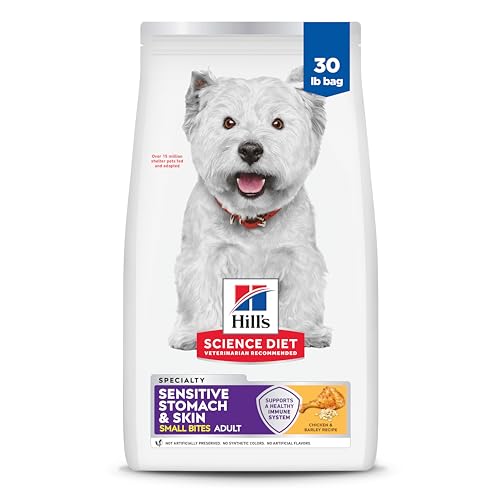
  • Best for Sensitive Stomach: Hill's Science Diet Large Breed Sensitive Stomach & Skin Chicken & Barley Recipe. Designed for digestive health, this recipe uses prebiotic fiber and is free from peas.
  • Best Budget: Diamond Naturals Large Breed Adult Lamb Meal & Rice Formula. Offers lamb meal as the first ingredient, with added glucosamine and probiotics.
  • Best Grain-Inclusive: Wellness CORE Grain-Free Large Breed Chicken & Turkey Recipe. Despite being grain-free, this recipe avoids peas and uses chicken and turkey.
  • Best for Joints: Blue Buffalo Life Protection Formula Large Breed Adult Chicken & Brown Rice. Contains LifeSource Bits with antioxidants, plus glucosamine and chondroitin for joints.
At a Glance

Quick Comparison

Quick answer

Our top pick is Purina Pro Plan Large Breed Adult Chicken & Rice Formula. It provides glucosamine for joints, a moderate calorie level (352 kcal/cup), and no peas. For dogs with sensitive stomachs, Hill’s Science Diet Large Breed Sensitive Stomach & Skin is excellent. On a budget? Diamond Naturals Large Breed Adult Lamb Meal & Rice offers solid nutrition at a lower price.

What to consider for Large Breed Dog Food Without Peas

Large breed dogs need controlled calcium and phosphorus for proper bone development and joint support. Peas are a common legume used as a protein source, but some owners prefer to avoid them due to concerns about pea protein density or the ongoing FDA investigation into a potential link between grain-free, legume-heavy diets and canine DCM. When selecting a pea-free food, look for named meat as the first ingredient, moderate fat (12 to 16 percent), and added glucosamine and chondroitin. Avoid all-life-stages formulas for puppies, as they may have improper calcium levels.

What to look for in a dog food

First, ensure the food carries an AAFCO statement of nutritional adequacy for the correct life stage (adult maintenance or growth for puppies). Look for a named animal protein (e.g., chicken, lamb, fish) as the first ingredient. Protein should be around 22 to 30 percent on a dry matter basis; fat should be 10 to 15 percent for weight management. Large breed adult foods typically have 300 to 400 kcal per cup. Added glucosamine and chondroitin support joint health, while omega-3 fatty acids (from fish oil) help skin and coat. Avoid foods with unnamed meat meals (e.g., poultry meal) as the sole protein source.

How we chose these picks

  • Evaluated ingredient lists for pea-free recipes with named meat first.
  • Checked AAFCO statements for appropriate life stage (adult or large breed puppy).
  • Prioritized foods with added joint supplements (glucosamine, chondroitin).
  • Reviewed calorie density and fat content to suit large breed activity levels.
  • Considered brand reputation and manufacturing quality (WSAVA guidelines).
  • Included options for different budgets and dietary needs (sensitive stomach, grain-inclusive).
  • Ensured each product is widely available and currently sold on Amazon.
  • Never ranked a product higher just because it pays a commission.

What to avoid

  • Unnamed meat meals (e.g., poultry meal) as the only protein source.
  • Defaulting to grain-free or legume-heavy recipes without veterinary guidance (FDA DCM investigation ongoing).
  • All-life-stages food for large breed puppies, which may have improper calcium levels.
  • Abrupt diet switches; transition over 7 to 10 days to avoid digestive upset.

For more help, explore our dog guides and our dog food and dog nutrition sections.
Why this matters

Peas are often used as a protein source in grain-free diets, but the FDA's ongoing investigation into a potential link between legume-heavy diets and canine DCM has led many owners to seek pea-free options, especially for large breeds prone to heart conditions.

The Options

Types Explained

Dry Kibble

Convenient and cost-effective, dry kibble offers crunchy texture that may help reduce tartar. Most large breed formulas have larger kibble to encourage chewing. Look for added glucosamine and omega fatty acids.

Best for: Everyday feeding, especially for dogs with no special dental or hydration needs.

Wet Food

Higher moisture content aids hydration and can be more palatable for picky eaters. However, it is more expensive and less calorie-dense, so larger volumes are needed. Often used as a topper for kibble.

Best for: Dogs that need extra moisture, have dental issues, or are finicky eaters.

Grain-Inclusive Kibble

Contains grains like brown rice, barley, or oats. These provide fiber and energy. Grain-inclusive diets are not linked to DCM concerns, making them a safer default. Many large breed formulas are grain-inclusive.

Best for: Owners who prefer to avoid grain-free diets due to the FDA investigation.

Limited Ingredient Diet

Formulated with a single protein source and minimal ingredients, ideal for dogs with food sensitivities. Often pea-free and grain-free. Ensure it meets AAFCO standards and has balanced nutrition.

Best for: Dogs with allergies or sensitivities to common proteins or grains.
The Rankings

Top 5 Picks

#1
Purina Pro Plan Large Breed Adult Chicken & Rice Formula
Best Overall

Purina Pro Plan Large Breed Adult Chicken & Rice Formula

View on Amazon

This formula has real chicken first, no peas, and includes glucosamine for joint health. It provides balanced nutrition with 26% protein and 12% fat. A minor trade-off is that it contains corn, which some owners prefer to avoid, but it is a well-researched ingredient.

#2
Hill's Science Diet Large Breed Sensitive Stomach & Skin Chicken & Barley Recipe
Best for Sensitive Stomach

Hill's Science Diet Large Breed Sensitive Stomach & Skin Chicken & Barley Recipe

View on Amazon

Designed for digestive health, this recipe uses prebiotic fiber and is free from peas. It includes omega-6s for skin. However, it is pricier than many alternatives, and the calorie density (334 kcal/cup) may require portion adjustment for less active dogs.

#3
Diamond Naturals Large Breed Adult Lamb Meal & Rice Formula
Best Budget

Diamond Naturals Large Breed Adult Lamb Meal & Rice Formula

View on Amazon

Offers lamb meal as the first ingredient, with added glucosamine and probiotics. It is pea-free and costs less than many competitors. The downside is that lamb meal is a rendered product, though it is a named source, and the bag size (40 lb) may be too large for some households.

#4
Wellness CORE Grain-Free Large Breed Chicken & Turkey Recipe
Best Grain-Inclusive

Wellness CORE Grain-Free Large Breed Chicken & Turkey Recipe

View on Amazon

Despite being grain-free, this recipe avoids peas and uses chicken and turkey. It includes glucosamine and chondroitin. However, the FDA DCM investigation advises caution with grain-free diets; consult your vet. Also, it is one of the more expensive options.

#5
Blue Buffalo Life Protection Formula Large Breed Adult Chicken & Brown Rice
Best for Joints

Blue Buffalo Life Protection Formula Large Breed Adult Chicken & Brown Rice

View on Amazon

Contains LifeSource Bits with antioxidants, plus glucosamine and chondroitin for joints. It is pea-free and uses deboned chicken first. A limitation is that it includes chicken by-product meal, which is a concentrated protein source but may be less desirable for some owners.

Before You Buy

Key Buying Factors

01

Joint Support Ingredients

Large breeds are prone to hip and elbow dysplasia. Look for added glucosamine and chondroitin, as well as omega-3 fatty acids (EPA/DHA) from fish oil to support joint health and mobility.

02

Calorie Density

Large breed dogs need controlled calories to maintain a healthy weight. Aim for 300 to 400 kcal per cup. Overweight dogs increase stress on joints. Adjust portions based on activity level and body condition.

03

Protein and Fat Balance

Moderate protein (22 to 30 percent) and fat (10 to 15 percent) suit most large breeds. Higher protein may be fine for active dogs, but consult your vet for specific needs. Avoid excessive fat to prevent obesity.

04

AAFCO Life Stage Statement

Ensure the food is formulated for adult maintenance (or growth for puppies) per AAFCO. All-life-stages foods may have calcium levels too high for large breed puppies, potentially causing skeletal issues.

05

Ingredient Quality

Named meat or meat meal (e.g., chicken, lamb meal) should be the first ingredient. Avoid generic terms like poultry meal. Pea-free is your goal, but also check for other legumes if you have concerns.

Living With It

Care, Cost and Maintenance

Portion Control

Follow the feeding guide on the bag, but adjust based on your dog's age, weight, and activity. Use a measuring cup for accuracy. Large breed adults typically eat 3 to 5 cups per day, split into two meals. Avoid free-feeding to prevent obesity.

Transitioning Foods

Switch gradually over 7 to 10 days: mix increasing amounts of new food with the old. Start with 25% new, 75% old, and increase by 25% every 2 to 3 days. This reduces digestive upset and helps your dog adjust.

Monitoring Health

Regularly check your dog's body condition score (BCS). You should be able to feel ribs without excess fat. Schedule annual vet visits for weight and joint assessments. Report any changes in appetite, stool, or energy to your veterinarian.

Pro tip

When transitioning to a new pea-free food, mix it with the old food over 7 to 10 days to minimize digestive upset. For large breeds, split the daily portion into two meals to reduce the risk of bloat (GDV).

Frequently asked questions

How much should I feed my large breed dog?
Feeding amounts vary by brand, calorie density, and your dog's age, weight, and activity. As a general guideline, a 70 lb adult large breed dog may need 3 to 4 cups of a 350 kcal/cup food per day, split into two meals. Always check the feeding chart on the bag and adjust to maintain a healthy body condition. Consult your vet for precise recommendations.
How many calories does a large breed dog need daily?
An adult large breed dog (50 to 90 lbs) typically needs 1,200 to 2,000 calories per day, depending on activity level. Sedentary dogs require fewer calories, while active working dogs may need more. Use the food's calorie per cup (usually 300 to 400) to calculate portions. Overfeeding can lead to obesity and joint stress. Consult your vet for a tailored calorie target.
Is grain-free dog food safe for large breeds?
The FDA is investigating a potential link between grain-free, legume-heavy diets and canine dilated cardiomyopathy (DCM). While not all grain-free foods cause issues, many contain peas, lentils, or potatoes as substitutes. Until more is known, many vets recommend grain-inclusive diets as a safer default for large breeds. If you choose grain-free, consult your vet and monitor your dog's heart health.
Can I feed my large breed puppy adult food without peas?
No, large breed puppies need a food specifically formulated for growth, with controlled calcium (1.0 to 1.5 percent) and phosphorus levels to prevent skeletal abnormalities. Adult foods may have improper calcium levels. Look for a large breed puppy formula that meets AAFCO growth requirements and is pea-free. Always follow the feeding guide for puppies.
What should I feed an overweight large breed dog?
Choose a weight management or low-calorie formula designed for large breeds, with reduced fat (8 to 12 percent) and controlled calories (around 300 kcal/cup). Ensure it is pea-free and includes joint supplements. Portion control is key; measure meals and limit treats. Increase exercise gradually. Consult your vet for a weight loss plan tailored to your dog.
Is there a pea-free dog food for senior large breeds?
Yes, many brands offer senior formulas for large breeds that are pea-free. Look for lower calories (to prevent weight gain), added glucosamine and chondroitin for joints, and omega-3s for cognitive health. Examples include Purina Pro Plan Bright Mind Adult 7+ Large Breed and Hill's Science Diet Adult 7+ Large Breed. Always check the ingredient list for peas.
Are these foods suitable for all large breed dogs?
Our picks are formulated for large breeds (typically adult dogs 50 to 100+ lbs), but individual needs vary. Factors like allergies, activity level, and health conditions may require a different formula. Always check the feeding guidelines and consult your vet to ensure the food meets your dog's specific requirements. Some foods may have larger kibble size to encourage chewing.
Should I choose dry or wet food for a large breed dog?
Both have pros and cons. Dry kibble is cost-effective, helps with dental health, and is easy to store. Wet food provides hydration and is more palatable but is pricier and less calorie-dense, so larger portions are needed. Many owners use dry as a base and add wet food as a topper. For large breeds, dry food is often more practical for portion control.
How do I know if my dog needs a pea-free diet?
Peas are generally safe, but some dogs may have allergies or sensitivities. Signs include itching, ear infections, or digestive upset. Additionally, some owners avoid peas due to the DCM investigation. If you suspect a pea sensitivity, try a pea-free diet for 8 to 12 weeks and monitor symptoms. Always consult your vet before making dietary changes.
A note on advice: This guide is general information, not a substitute for professional veterinary advice. Talk to your vet before changing your pet's diet or care routine, especially if your pet has allergies, kidney disease, pancreatitis, obesity, heart disease or any other medical condition.
Transparency

How we made this guide

How we chose. We compared the options on the factors that matter most for Dog Food, using manufacturer specifications, aggregated verified owner reviews and editorial comparison. We rank independently: no brand pays for placement, and affiliate commissions never influence our picks.

How it was written. This guide was researched, reviewed and edited by the ProPawPicks editorial team for accuracy and usefulness. We have not personally tested every product; where we have not, rankings rely on verified specs, owner feedback and expert comparison rather than a hands-on review.

Affiliate disclosure. ProPawPicks is reader-supported. If you buy through links on our site, we may earn a commission at no extra cost to you. See our affiliate disclosure.

Keep Reading

More Dog Food guides

Stop Wasting Treats: 5 Best Interactive Dog Cameras 2026View picks โ†’Interactive Dog Toys for Boredom: Our ShortlistView picks โ†’Invisible Dog Fence for Sensitive Stomachs: 2026 Top Pick ReviewedView picks โ†’Best Invisible Dog Fence for Small Dogs 2026: 5 Top Picks ReviewedView picks โ†’Invisible Dog Fence under 50 That Hold UpView picks โ†’Contain Your Dog Reliably: 5 Best Invisible Fence Picks for 2026View picks โ†’

Sources and further reading

Some links below are affiliate links. If you buy through them we may earn a small commission at no extra cost to you. Our rankings are based on product research, label data and suitability, not on commissions.