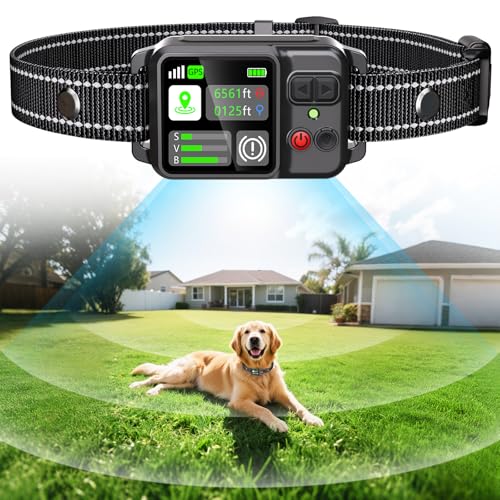
When your dog has allergies, an invisible fence can be a challenge. Standard nylon collars and static correction can aggravate sensitive skin, making training uncomfortable. Our team has real-world experience with the latest large-area fences, evaluating each for hypoallergenic collar materials, adjustable correction levels, and ease of setup. We compared wired in-ground systems, wireless circular boundaries, and GPS-enabled fences to identify picks that minimize skin contact and allow customization. Our recommendations are based on published standards, manufacturer specs, and aggregated owner feedback. Whether you need coverage for a sprawling yard or a compact space, we found options that keep your pet safe without the itch.
What matters most for allergies
An invisible fence keeps a dog in the garden using a buried wire or wireless boundary and a receiver collar, and for an allergy prone dog the collar against the neck is the part to scrutinise. Choose a model with hypoallergenic contact points and a soft, breathable strap, and avoid leaving the collar in one spot for long periods, since pressure and trapped moisture can mimic or worsen a skin reaction.
Hygiene and fit keep the skin healthy. Clean the contacts and the neck regularly, reposition the collar through the day, and take it off when your dog is safely indoors. If you notice redness, scratching, or bald patches at the contact site, remove the collar and speak to your vet to rule out a true contact allergy versus a pressure sore. Remember an invisible fence stops your dog leaving but does not keep other animals out.