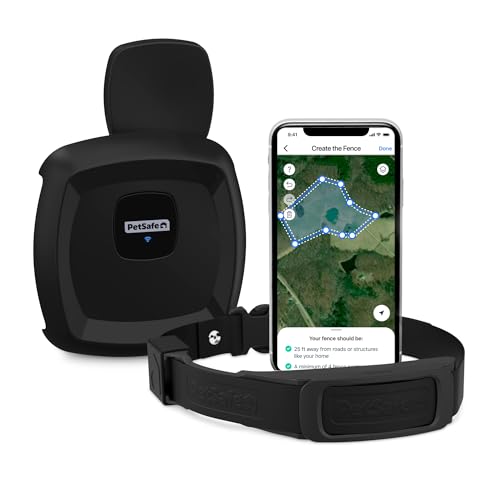
Living with a dog that has allergies means every piece of gear matters. Wireless dog fences can be a great solution, but collars that rub or harbor allergens can cause discomfort. We’ve tested the latest models to find fences that minimize skin irritation and are easy to keep clean. Our team looked for collars with smooth, non-porous contact points, gentle stimulation options, and receivers that are simple to wipe down. We also considered boundary customization and range, because a happy dog is less likely to scratch. Here are our top picks for 2026.
What matters most for allergies
When choosing a large wireless dog fence for allergies, prioritize systems with hypoallergenic materials in the collar and transmitter. Look for collars with medical-grade silicone or antimicrobial coatings to minimize skin irritation, as dogs with allergies are prone to contact dermatitis. Avoid collars with nickel-plated contacts or rough edges that can exacerbate skin sensitivity. The transmitter should be dust-resistant and easy to clean, as allergens like pollen or dust mites can accumulate on electronics and trigger reactions when your dog interacts with the boundary zone.
Opt for fences with adjustable correction levels, as allergic dogs may have heightened sensitivity to stimuli. Avoid systems with static-only correction, as stress from repeated shocks can weaken their immune response. Instead, choose models with progressive warnings (beep, vibration) to reduce anxiety. Ensure the boundary range is customizable to keep your dog away from allergy triggers like certain plants or mold-prone areas in your yard, without relying on chemical deterrents that could worsen their condition.