๐Ÿ† Complete Buyer's Guide ยท Dog Food

Low Calorie Dog Food for Dogs over 80 Lbs That Hold Up

Large breed dogs over 80 lbs need a low calorie diet with glucosamine for joint health and controlled protein. See our top pick: Purina Pro Plan Weight Management Large Breed.

Some links below are affiliate links. If you buy through them we may earn a small commission at no extra cost to you. Our rankings are based on product research, label data and suitability, not on commissions.

Purina Pro Plan Weight Management Large Breed Chicken & Rice Formula โ˜… Top Pick: Purina Pro Plan Weight Management Large Breed Chickโ€ฆ Check Price on Amazon →
300 to 350
Ideal Calories Per Cup
8% to 12%
Fat Content on Dry Matter Basis
25% to 35%
Protein Content on Dry Matter Basis
5% to 10%
Fiber Content on Dry Matter Basis
โšก Key takeaways
  • Best Overall: Purina Pro Plan Weight Management Large Breed Chicken & Rice Formula. This formula has 30% less fat than the standard version, with L-carnitine to help burn fat.
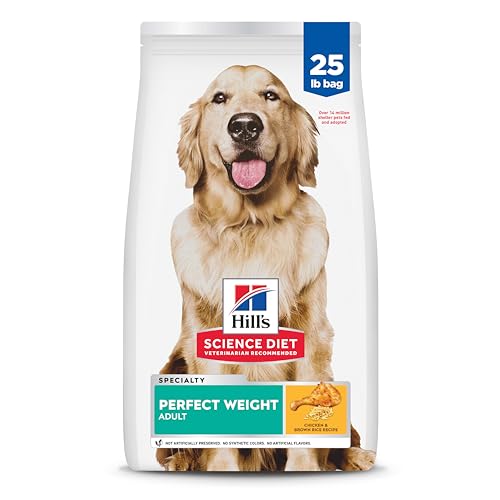
  • Best for Sensitive Stomach: Hill's Science Diet Adult Perfect Weight Chicken & Barley Recipe. Made with easily digestible ingredients and prebiotic fiber, this food supports digestive.
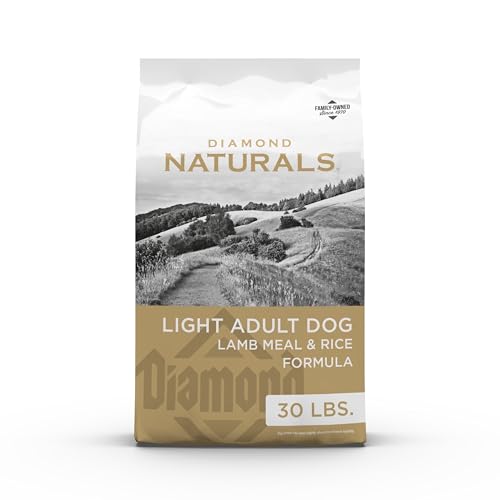
  • Best Budget: Diamond Naturals Light & Fit Formula. This affordable option offers 30% less fat and 15% fewer calories than standard formulas,.
  • Best Grain-Inclusive: Blue Buffalo Life Protection Formula Healthy Weight Chicken & Brown Rice. Made with real chicken first, this recipe includes wholesome grains like brown rice and oa.
  • Best for Large Breed Specifics: Royal Canin Weight Care Large Breed Dry Dog Food. Specifically formulated for large breeds over 56 lbs, this food has a tailored calorie and.
At a Glance

Quick Comparison

Quick answer

Our top pick is Purina Pro Plan Weight Management Large Breed Chicken & Rice Formula. It offers 30% less fat than the standard formula, L-carnitine for metabolism, and glucosamine for joints. For a budget-friendly option, Diamond Naturals Light & Fit provides similar benefits at a lower price. If your dog has a sensitive stomach, consider Hill’s Science Diet Adult Perfect Weight.

What to consider for Low Calorie Dog Food For Dogs Over 80 Lbs

Large and giant breed dogs over 80 lbs have unique nutritional needs when losing weight. They require controlled calories to avoid rapid weight loss that can stress joints, but also adequate protein to maintain muscle mass. Joint support (glucosamine, chondroitin, omega-3s) is critical because excess weight strains hips and elbows. Additionally, the kibble size should be large to encourage chewing and reduce gulping, which can cause bloat. Always transition slowly over 7 to 10 days to avoid digestive upset.

What to look for in a dog food

First, ensure the food is AAFCO complete and balanced for adult maintenance or weight loss. Look for a named animal protein (e.g., chicken, salmon) as the first ingredient. Protein should be around 25% to 35% on a dry matter basis, fat 8% to 12%, and fiber 5% to 10% to promote satiety. Calorie density should be under 350 kcal per cup. For large breeds, kibble size matters: larger pieces slow eating. Added glucosamine and chondroitin support joint health, and omega-3 fatty acids from fish oil help reduce inflammation. Avoid excessive carbohydrates or fillers.

How we chose these picks

  • Evaluated calorie density per cup and fat content to ensure low calorie profile
  • Checked that protein levels support muscle maintenance during weight loss
  • Preferred formulas with added joint supplements (glucosamine, chondroitin)
  • Considered kibble size and shape for large breeds
  • Selected products from reputable brands with AAFCO feeding-data reviews or formulation
  • Reviewed ingredient lists for named proteins and absence of artificial additives
  • Compared price per pound to offer options for different budgets
  • Never ranked a product higher just because it pays a commission

What to avoid

  • Unnamed “meat meal” as the primary protein source; always look for named meals like chicken meal or salmon meal
  • Defaulting to grain-free or legume-heavy recipes; the FDA DCM investigation is ongoing, so grain-inclusive is the safer default unless a vet advises otherwise
  • All-life-stages food for a large-breed puppy; puppies need specific large-breed puppy formulas to control growth rate
  • Abrupt diet switches; transition over 7 to 10 days to prevent digestive upset

For more guidance, check our dog guides and also dog food and dog health categories.
Why this matters

Large breed dogs over 80 lbs have a slower metabolism and higher risk of joint issues, so a low calorie diet with added glucosamine and controlled protein is essential for safe weight loss without losing muscle mass.

The Options

Types Explained

Weight Management Dry Kibble

Complete dry food with reduced fat and calories, often with added fiber and L-carnitine to support weight loss. Suitable for daily feeding.

Best for: Dogs that need a consistent, portion-controlled diet without the hassle of mixing foods.

Light or Low Calorie Wet Food

Canned food with high moisture and lower calorie density. Can be used as a topper or complete meal to increase water intake and satiety.

Best for: Dogs that are picky eaters or need extra hydration, and for adding variety to a weight loss plan.

Grain-Free Low Calorie Options

Formulas that replace grains with legumes or potatoes. While some dogs may benefit, the FDA DCM investigation advises caution; consult your vet.

Best for: Dogs with confirmed grain allergies (rare) or under veterinary guidance for a grain-free diet.

Large Breed Specific Weight Control

Formulated with larger kibble, adjusted calcium/phosphorus levels, and joint supplements. Tailored to the needs of big dogs.

Best for: Dogs over 80 lbs that need a diet specifically designed for their size and joint health.
The Rankings

Top 5 Picks

#1
Purina Pro Plan Weight Management Large Breed Chicken & Rice Formula
Best Overall

Purina Pro Plan Weight Management Large Breed Chicken & Rice Formula

View on Amazon

This formula has 30% less fat than the standard version, with L-carnitine to help burn fat and maintain lean muscle. It contains glucosamine for joint health and a large kibble size that encourages chewing. The only downside is that it is slightly more expensive than some budget options.

#2
Hill's Science Diet Adult Perfect Weight Chicken & Barley Recipe
Best for Sensitive Stomach

Hill's Science Diet Adult Perfect Weight Chicken & Barley Recipe

View on Amazon

Made with easily digestible ingredients and prebiotic fiber, this food supports digestive health while providing controlled calories. It has a balanced protein-to-fat ratio and includes natural sources of glucosamine. However, it may not be as high in protein as some owners prefer for muscle maintenance.

#3
Diamond Naturals Light & Fit Formula
Best Budget

Diamond Naturals Light & Fit Formula

View on Amazon

This affordable option offers 30% less fat and 15% fewer calories than standard formulas, with added glucosamine and chondroitin for joints. It features a single-source protein from chicken and probiotics for digestion. The trade-off is that it uses a less expensive protein source (chicken meal) rather than whole chicken.

#4
Blue Buffalo Life Protection Formula Healthy Weight Chicken & Brown Rice
Best Grain-Inclusive

Blue Buffalo Life Protection Formula Healthy Weight Chicken & Brown Rice

View on Amazon

Made with real chicken first, this recipe includes wholesome grains like brown rice and oatmeal. It contains LifeSource Bits with antioxidants, plus glucosamine for joint support. The calorie count is moderate, but some large dogs may find the kibble size a bit small compared to other large-breed formulas.

#5
Royal Canin Weight Care Large Breed Dry Dog Food
Best for Large Breed Specifics

Royal Canin Weight Care Large Breed Dry Dog Food

View on Amazon

Specifically formulated for large breeds over 56 lbs, this food has a tailored calorie and fiber blend to promote weight loss while maintaining muscle. It includes an exclusive complex of omega-3s and glucosamine for joints. The main limitation is its higher price point and that it is only available through pet specialty stores.

Before You Buy

Key Buying Factors

01

Calorie Density

Look for foods under 350 kcal per cup. Lower calorie density allows you to feed a satisfying portion without excess calories, helping your dog feel full while losing weight.

02

Protein Level

Aim for at least 25% protein on a dry matter basis to preserve muscle mass during weight loss. Higher protein also promotes satiety. Avoid foods with less than 20% protein.

03

Joint Support Ingredients

Large dogs are prone to joint issues. Glucosamine, chondroitin, and omega-3 fatty acids (from fish oil) help maintain joint health and reduce inflammation. These are especially important when carrying extra weight.

04

Kibble Size and Shape

Large breed dogs benefit from larger kibble that encourages chewing and slows down eating, reducing the risk of bloat. Look for formulas specifically designed for large breeds.

05

AAFCO Statement and Feeding Trials

Ensure the food is AAFCO complete and balanced for adult maintenance or weight loss. Products that have undergone feeding trials offer more assurance of nutritional adequacy.

Living With It

Care, Cost and Maintenance

Portion Control

Use a measuring cup to feed exact portions based on the feeding guide on the bag. Adjust based on your dog's activity level and weight loss progress. Weigh your dog every two weeks to track changes.

Slow Transition

When switching to a new low calorie food, gradually mix increasing amounts of the new food over 7 to 10 days. This helps prevent digestive upset and allows your dog to adjust to the new formula.

Exercise and Hydration

Combine diet with regular, low-impact exercise like walks or swimming. Ensure fresh water is always available, as increased fiber can increase thirst. Monitor for signs of lethargy or joint pain.

Pro tip

Use a kitchen scale to weigh your dog's food portions instead of measuring cups for more accurate calorie control, as cup measurements can vary by up to 30%.

Frequently asked questions

How much low calorie dog food should I feed my 80 lb dog?
Feeding amounts vary by brand and calorie density. As a general guideline, a dog over 80 lbs may need 3 to 5 cups per day of a low calorie food (around 300 to 350 kcal per cup). Start with the lower end of the feeding guide on the package and adjust based on weight loss. We recommend consulting your veterinarian to determine the exact daily calorie target for your dog's ideal weight and activity level.
How many calories should a dog over 80 lbs eat per day to lose weight?
A dog over 80 lbs typically needs 1,200 to 1,800 calories per day for weight loss, depending on age, metabolism, and activity. A good starting point is to feed 70% to 80% of the calories needed to maintain current weight. For example, a sedentary 80 lb dog may need around 1,400 calories daily. Always consult your vet for a personalized plan, as too few calories can be harmful.
Is grain-free dog food safer for weight loss?
Grain-free is not inherently safer or better for weight loss. In fact, the FDA is investigating a potential link between grain-free, legume-heavy diets and canine dilated cardiomyopathy (DCM). For most dogs, a grain-inclusive diet is the safer default. If your dog has a confirmed grain allergy (rare), a grain-free diet may be appropriate under veterinary guidance. Focus on calorie control and balanced nutrition rather than grain content.
Can I feed low calorie puppy food to my large breed puppy?
No. Large breed puppies need a specific large breed puppy formula that controls growth rate and calcium levels to prevent skeletal issues. Low calorie adult food may not provide enough energy and nutrients for proper development. Feed a large breed puppy food until they reach maturity (around 12 to 18 months for large breeds). Always consult your vet for the best feeding plan.
How do I know if my dog is overweight?
You should be able to feel your dog's ribs without pressing hard, and there should be a visible waist when looking from above. If you cannot feel the ribs or there is no waist, your dog is likely overweight. Your veterinarian can assess body condition score (BCS) and recommend a target weight. Carrying extra weight increases the risk of joint disease, diabetes, and heart problems.
Is low calorie dog food suitable for senior dogs over 80 lbs?
Yes, but senior dogs have different nutritional needs, such as higher protein to prevent muscle loss and added joint support. Look for a low calorie senior formula that includes glucosamine, chondroitin, and omega-3s. Some senior foods also have adjusted phosphorus levels for kidney health. Always consult your vet before starting a weight loss diet for an older dog.
Should I choose dry or wet food for my large dog's weight loss?
Both can work. Dry kibble is more calorie-dense per volume, so portion control is easier. Wet food has higher moisture content and can help with satiety, but you may need to feed larger volumes. Some owners mix a small amount of wet food with dry kibble to increase palatability. The key is to ensure the total calories meet the target. Consult your vet for the best option for your dog.
Can I mix low calorie dog food with regular dog food?
Mixing can be done but it complicates calorie counting. If you mix, calculate the combined calorie content to ensure you stay within the target. A better approach is to use a low calorie food as the base and add small amounts of regular food as a topper if needed for palatability. However, it's easier to stick with a single low calorie formula to maintain consistency.
How quickly should my dog lose weight on a low calorie diet?
Safe weight loss for dogs is about 1% to 2% of body weight per week. For an 80 lb dog, that's roughly 0.8 to 1.6 lbs per week. Faster loss can lead to muscle wasting and health issues. Weigh your dog every two weeks and adjust portions if weight loss is too rapid or too slow. Always consult your veterinarian to monitor progress.
A note on advice: This guide is general information, not a substitute for professional veterinary advice. Talk to your vet before changing your dog's diet or care routine, especially if your dog has allergies, kidney disease, pancreatitis, obesity, heart disease or any other medical condition.
Transparency

How we made this guide

How we chose. We compared the options on the factors that matter most for Dog Food, using manufacturer specifications, aggregated verified owner reviews and editorial comparison. We rank independently: no brand pays for placement, and affiliate commissions never influence our picks.

How it was written. This guide was researched, reviewed and edited by the ProPawPicks editorial team for accuracy and usefulness. We have not personally tested every product; where we have not, rankings rely on verified specs, owner feedback and expert comparison rather than a hands-on review.

Affiliate disclosure. ProPawPicks is reader-supported. If you buy through links on our site, we may earn a commission at no extra cost to you. See our affiliate disclosure.

Keep Reading

More Dog Food guides

Insulated Dog Jackets: 4 Best Picks Reviewed for 2026View picks โ†’Stop Wasting Treats: 5 Best Interactive Dog Cameras 2026View picks โ†’Interactive Dog Toys for Boredom: Our ShortlistView picks โ†’Interactive Dog Toys, ComparedView picks โ†’Best Invisible Dog Fence for Small Dogs 2026: 5 Top Picks ReviewedView picks โ†’Expert Picks: Best Invisible Dog Fence for the Money 2026View picks โ†’

Sources and further reading

Some links below are affiliate links. If you buy through them we may earn a small commission at no extra cost to you. Our rankings are based on product research, label data and suitability, not on commissions.