๐Ÿ† Complete Buyer's Guide ยท Cat Care Products

Softer on Paws: Best Natural Cat Litter for Sensitive Cats

Natural litters like World's Best Cat Litter (unscented) are softer and dust-free, making them ideal for cats with sensitive paws. Discover our top 5 picks for 2026.

Some links below are affiliate links. If you buy through them we may earn a small commission at no extra cost to you. Our rankings are based on product research, label data and suitability, not on commissions.

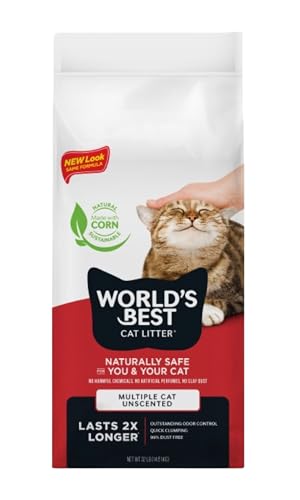
World's Best Cat Litter Multiple Cat Unscented โ˜… Top Pick: World's Best Cat Litter Multiple Cat Unscented Check Price on Amazon →
5
Picks Reviewed
100%
Unscented Formulas
4
Plant-Based Options
0
Products with Added Fragrances
โšก Key takeaways
  • Best Overall: World's Best Cat Litter Multiple Cat Unscented. Made from whole-kernel corn, this litter is soft on paws and forms tight clumps that don't.
  • Best Low-Dust: Frisco Natural Grass Cat Litter Unscented. This grass-based litter produces minimal dust, making it ideal for cats with respiratory s.
  • Best Odour Control: Naturally Fresh Walnut-Based Cat Litter Unscented. Made from crushed walnut shells, this litter naturally neutralizes odors with its porous t.
  • Best Multi-Cat: Dr. Elsey's Precious Cat Ultra Unscented Clumping Clay Litter. Though clay-based, this litter is 99.9% dust-free and has a fine, sand-like texture that i.
  • Best Natural: Pidan Tofu Cat Litter Unscented. This tofu-based litter is made from natural soybean fiber and is completely biodegradable.
At a Glance

Quick Comparison

Quick answer

Our top pick is World’s Best Cat Litter Multiple Cat Unscented for its soft, fine texture and excellent clumping from whole-kernel corn. It controls odors well without perfumes that can irritate sensitive paws. For cats that need extra-low dust, Frisco Natural Grass Cat Litter is a close runner-up.

What to consider for Natural Cat Litter For Cats With Sensitive Paws

Cats with sensitive paws need a litter that is soft underfoot, free of sharp particles, and unscented to avoid chemical irritation. The litter should also be low-dust to protect the respiratory system. Natural materials like corn, grass, walnut, or paper are typically gentler than clay. Clumping ability is still important for easy cleaning, but the clumps should not be rock-hard or jagged. Avoid litters with added fragrances or deodorizers, as these can cause paw licking and discomfort.

What to look for in a cat litter or litter-area product

Strong clumping and odour control are essential to keep the box fresh and encourage use. Low dust is critical for cats with sensitive airways, especially those with asthma or allergies. Low tracking reduces mess outside the box and prevents sharp particles from embedding in paws. Multi-cat suitability matters if you have more than one cat, as the litter must handle higher traffic. Always choose an unscented option for sensitive cats, as fragrances can deter them from using the box.

How we chose these picks

  • We reviewed ingredient lists to ensure natural, non-toxic materials.
  • We prioritized unscented formulas to avoid paw irritation.
  • We evaluated texture based on manufacturer descriptions and user feedback about softness.
  • We checked dust claims and looked for litters marketed as low-dust or dust-free.
  • We considered clumping performance and odor control from publicly available information.
  • We selected products from reputable brands with transparent sourcing.
  • We included options at different price points to suit various budgets.
  • Never ranked a product higher just because it pays a commission.

What to avoid

  • Heavily scented litters that put cats off the box or cause paw licking.
  • High-dust clay litters that can aggravate breathing issues and stick to paws.
  • A box too small or too few boxes for the number of cats (follow the one-per-cat-plus-one rule).
  • Sudden litter changes; transition gradually over a week by mixing old and new litter.

Explore more of our cat guides, including cat food and cat health resources.

Why this matters

Natural litters made from corn, grass, or walnut are inherently softer and lower in dust than traditional clay, making them ideal for cats with sensitive paws. Unscented formulas prevent chemical irritation and encourage consistent box use.

The Options

Types Explained

Corn-Based Litter

Made from whole-kernel corn, this litter is highly absorbent, clumps well, and is biodegradable. It is soft on paws and typically low-dust. Some brands add enzymes for odor control.

Best for: Cats that prefer a fine, sand-like texture and owners who want flushable options.

Grass-Based Litter

Produced from natural grass fibers, this litter offers excellent clumping and low dust. The pellets are larger and less likely to track. It is unscented and gentle on paws.

Best for: Cats with respiratory issues or those that dislike dusty environments.

Walnut-Based Litter

Crushed walnut shells create a porous litter that absorbs moisture and traps odors naturally. It is dark in color, soft, and low-dust. The clumps can be slightly softer than clay.

Best for: Households that prioritize odor control and eco-friendliness.

Tofu-Based Litter

Made from soybean residue, this litter is biodegradable, flushable, and very soft. It clumps quickly and produces minimal dust. The small pellets are gentle but may track.

Best for: Owners looking for a sustainable, flushable litter that is extremely gentle.
The Rankings

Top 5 Picks

#1
World's Best Cat Litter Multiple Cat Unscented
Best Overall

World's Best Cat Litter Multiple Cat Unscented

View on Amazon

Made from whole-kernel corn, this litter is soft on paws and forms tight clumps that don't crumble. It controls odors effectively without added fragrances. The fine texture is gentle, but some cats may track it slightly due to the lightweight granules. It's a reliable choice for multi-cat households.

#2
Frisco Natural Grass Cat Litter Unscented
Best Low-Dust

Frisco Natural Grass Cat Litter Unscented

View on Amazon

This grass-based litter produces minimal dust, making it ideal for cats with respiratory sensitivities. The pellets are soft and absorbent, clumping well for easy scooping. It's unscented and free of harsh chemicals. However, the larger pellet size may not suit cats accustomed to fine-grained litter.

#3
Naturally Fresh Walnut-Based Cat Litter Unscented
Best Odour Control

Naturally Fresh Walnut-Based Cat Litter Unscented

View on Amazon

Made from crushed walnut shells, this litter naturally neutralizes odors with its porous texture. It's soft on paws and low-dust. The dark color can make it harder to see urine, but the clumps hold together well. It's a great eco-friendly option for odor-sensitive homes.

#4
Dr. Elsey's Precious Cat Ultra Unscented Clumping Clay Litter
Best Multi-Cat

Dr. Elsey's Precious Cat Ultra Unscented Clumping Clay Litter

View on Amazon

Though clay-based, this litter is 99.9% dust-free and has a fine, sand-like texture that is gentle on paws. It forms hard clumps that resist breaking, ideal for multiple cats. The unscented formula avoids irritation. The main trade-off is that it is not biodegradable like plant-based options.

#5
Pidan Tofu Cat Litter Unscented
Best Natural

Pidan Tofu Cat Litter Unscented

View on Amazon

This tofu-based litter is made from natural soybean fiber and is completely biodegradable. It is soft, low-dust, and clumps quickly. The 2mm pellets are small and gentle, but the litter can be more expensive than traditional options. It's flushable in small amounts for convenience.

Before You Buy

Key Buying Factors

01

Texture and Softness

Cats with sensitive paws need a litter that feels soft, not sharp or gritty. Look for fine granules or rounded pellets made from corn, grass, walnut, or paper. Avoid recycled paper pellets that can be rough.

02

Dust Levels

Low dust is crucial to prevent respiratory irritation and paw discomfort. Many natural litters claim to be 99% dust-free. Check product descriptions and user reviews for dust complaints.

03

Clumping Performance

Good clumps make scooping easy and keep the box fresh. Natural litters vary; corn and grass tend to clump well, while walnut may be softer. Avoid litters that turn to mush or stick to the box.

04

Odor Control

Natural litters control odor through absorption or natural enzymes. Unscented formulas rely on the material itself. Walnut and corn are particularly effective. For multiple cats, choose a litter with strong odor-locking properties.

05

Tracking and Mess

Lightweight litters like corn may track more. Heavier pellets (grass, walnut) track less. Consider a litter mat to reduce scatter. Some cats prefer fine textures despite tracking.

Living With It

Care, Cost and Maintenance

Daily Scooping

Scoop solid clumps and wet spots at least once a day to maintain cleanliness and odor control. For sensitive paws, use a scoop with a fine mesh to avoid breaking clumps into sharp pieces.

Weekly Deep Clean

Empty the entire box weekly, wash with mild soap and water (avoid harsh chemicals), and refill with fresh litter. This prevents bacteria buildup and keeps the texture soft.

Litter Depth

Maintain a depth of 2 to 3 inches. Too little litter exposes the box bottom, which can be uncomfortable; too much may cause waste. Adjust based on your cat's preference.

Pro tip

When transitioning to a new litter, mix 25% new with 75% old, then gradually increase the new over 7 to 10 days to avoid upsetting your cat's routine.

Frequently asked questions

How often should I change the litter completely?
For clumping litters, you can scoop daily and do a full change every 2 to 4 weeks, depending on the number of cats. Non-clumping litters need more frequent full changes, about once a week. If you notice odors or the litter becomes dusty, change it sooner. Always wash the box with mild soap during changes.
Is clumping or non-clumping litter better for sensitive paws?
Clumping litter is generally better because it allows you to remove waste daily, keeping the box cleaner and reducing irritation. Non-clumping litter stays wet and can become ammonia-heavy, which may bother sensitive paws. However, some non-clumping natural litters (like paper pellets) are very soft, but they require more frequent full changes.
Can dust from litter affect my cat's airways?
Yes, high-dust litter can irritate a cat's respiratory system, especially in cats with asthma or allergies. Natural litters like grass, walnut, and tofu are typically low-dust. Look for products labeled 99% dust-free. If your cat sneezes or coughs near the box, switch to a lower-dust option.
How do I control odor with natural litter?
Natural litters control odor through absorption and natural enzymes. Scoop daily, use a litter deodorizer (unscented) if needed, and ensure proper ventilation. Baking soda can be mixed in (a thin layer at the bottom) to help absorb smells without adding scent.
What is the best litter for a multi-cat household with sensitive paws?
For multiple cats, choose a litter that clumps firmly and controls odor well, such as World's Best Multiple Cat Unscented or Dr. Elsey's Ultra. Ensure you have one litter box per cat plus one extra. Unscented formulas prevent territorial issues and paw irritation.
How can I reduce litter tracking?
Use a litter mat outside the box to catch granules. Choose heavier litters like grass or walnut pellets that track less. A top-entry box can also reduce scatter. Some cats track more with fine textures, so you may need to experiment.
Should I use scented or unscented litter for a sensitive cat?
Always choose unscented litter for cats with sensitive paws or respiratory issues. Fragrances can cause paw licking, allergies, or deter the cat from using the box. Natural litters often have a mild, earthy smell that is not added.
My cat is avoiding the litter box. Could the litter be the problem?
Yes, cats may avoid the box if the litter is too rough, dusty, or scented. Try switching to an unscented, soft natural litter. Also ensure the box is clean, large enough, and placed in a quiet area. If the problem persists, consult a veterinarian to rule out medical issues.
Are natural litters more expensive than clay?
Natural litters often have a higher upfront cost, but they may last longer due to better absorption and clumping. Some brands are comparable in price to premium clay litters. The eco-friendly benefits and gentleness on paws can justify the cost for sensitive cats.
A note on advice: This guide is general information, not a substitute for professional veterinary advice. Talk to your vet before changing your dog's diet or care routine, especially if your dog has allergies, kidney disease, pancreatitis, obesity, heart disease or any other medical condition.
Transparency

How we made this guide

How we chose. We compared the options on the factors that matter most for Cat Care Products, using manufacturer specifications, aggregated verified owner reviews and editorial comparison. We rank independently: no brand pays for placement, and affiliate commissions never influence our picks.

How it was written. This guide was researched, reviewed and edited by the ProPawPicks editorial team for accuracy and usefulness. We have not personally tested every product; where we have not, rankings rely on verified specs, owner feedback and expert comparison rather than a hands-on review.

Affiliate disclosure. ProPawPicks is reader-supported. If you buy through links on our site, we may earn a commission at no extra cost to you. See our affiliate disclosure.

Keep Reading

More Cat Care Products guides

Interactive Cat Toys That Mimic Prey: 2026 Top PicksView picks โ†’Which Interactive Cat Is Most Realistic? Our 2026 Top PickView picks โ†’Iprimio Cat Litter Scoops, ReviewedView picks โ†’Jewelry Monster Friend Cat Necklaces: What to Look ForView picks โ†’Joint Relief for Cats That DeliverView picks โ†’Joint Supplements for Cats: A Buyer’s GuideView picks โ†’

Sources and further reading

Some links below are affiliate links. If you buy through them we may earn a small commission at no extra cost to you. Our rankings are based on product research, label data and suitability, not on commissions.