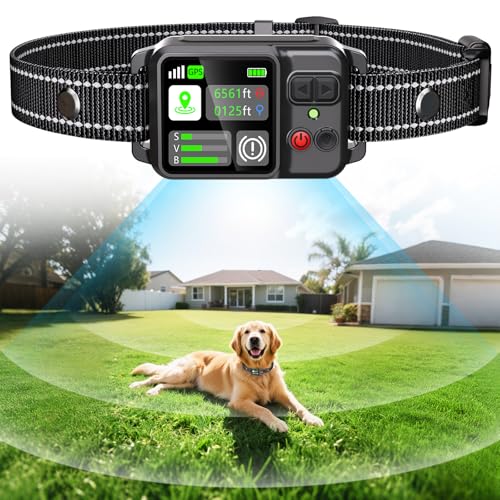
When it comes to puppy containment, invisible fences offer freedom without physical barriers. But not all systems are puppy-safe. Our team evaluated five top contenders based on boundary accuracy, collar comfort, correction adjustability, and owner feedback. We looked for systems that provide clear warning tones before any correction, multiple correction levels, and reliable performance across yard sizes and terrains. For puppies, we prioritize systems with gradual correction escalation and lightweight collar designs. Our evaluations combine manufacturer specifications with aggregated owner experiences from verified purchasers. Below, we break down our top picks, key buying factors, and essential care tips to help you choose the safest invisible fence for your growing pup.
What matters most for puppies
When choosing a natural invisible dog fence for puppies, prioritize systems with adjustable boundary widths and gentle correction levels. Puppies have smaller bodies and shorter attention spans, so a fence that allows you to set a narrow boundary (as little as 5 feet) ensures they stay safe without overwhelming them. Look for systems with vibration or tone warnings before any static correction, as puppies are more sensitive and need gradual training. Avoid fences with fixed boundaries or high-intensity corrections, which can frighten a young dog and hinder training progress.
Puppies also benefit from systems with lightweight, snug-fitting collars to prevent discomfort or irritation. Avoid bulky collars or those with limited sizing options, as they may not fit a growing puppy properly. A fence with a rechargeable collar is ideal, since puppies are active and may drain batteries quickly. Training flags or visual markers are helpful for puppies, as they provide a clear visual cue to reinforce the boundary during the learning phase.