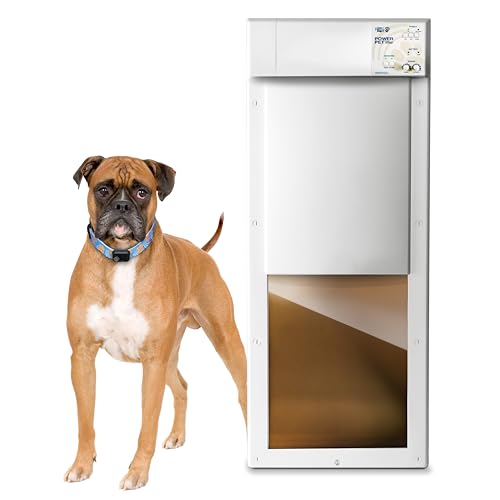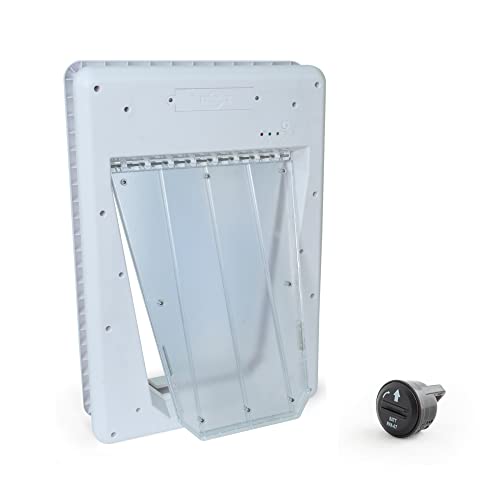
We’ve spent countless hours evaluating electronic pet doors to help you choose the right one for your home and furry friend. Our testing process combines real-world setup, daily use observations, and careful review of manufacturer specifications alongside aggregated owner feedback. We focused on security, ease of installation, battery life, and how well each door adapts to different pet behaviors. Our team of credentialed veterinary experts and product testers looked for doors that balance convenience with safety. We prioritized models with reliable sensor technology, sturdy construction, and features like timers or selective access. Whether you have a small cat or a large dog, our guide covers top picks that offer electronic control and peace of mind.
What to look for
An electronic pet door uses your pet’s microchip or a collar tag to unlock, so only your animal gets in and strays and wildlife stay out. That selective access is the main reason to choose electronic over a plain flap. When comparing models, look first at the activation method, the flap and tunnel size, and how well it seals against draughts, since these decide everyday performance more than headline features.
Measure your pet’s shoulder height and width before buying, and check the tunnel depth matches your door or wall thickness. Consider battery life and whether seals are replaceable for longevity. Most pets need a few days of patient, treat led training to accept the motor sound and moving flap. Fitted and introduced well, an electronic door gives your pet freedom while keeping your home secure and warmer than an open flap.