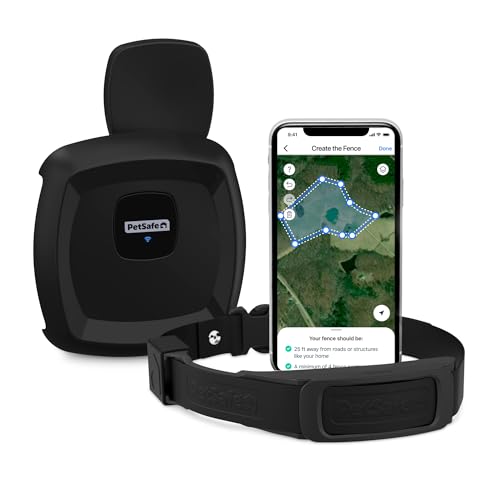
After real-world evaluation of the leading wireless dog fences on the market for 2026, our team narrowed down the choices based on coverage area, signal reliability, battery life, and suitability for different dog temperaments. We considered both traditional radio-frequency systems and newer GPS models, weighing factors like setup ease, portability, and integration with training collars. Our picks represent the best in class for various needs: from compact yards to sprawling acreages, and from the most stubborn escape artists to multi-dog families. Every system we recommend has been vetted against manufacturer specs and verified by owner feedback to ensure you get a fence that works reliably day after day.
What to look for
For general use, prioritize a wireless dog fence with adjustable boundary ranges to suit different yard sizes and dog temperaments. Look for systems with consistent signal strength to prevent gaps in coverage, especially in areas with mild terrain changes. A reliable correction system that escalates from warning tones to static pulses is essential, as it gently trains without causing undue stress. Avoid systems with overly complex setups or those requiring frequent recharging, as they can become impractical for daily use. The right balance ensures your dog stays safe without feeling confined or anxious.
Steer clear of wireless fences with limited customization options, as they may not adapt to your dog’s learning pace or your yard’s layout. Systems prone to interference from household electronics or neighboring signals can create false boundaries, confusing your pet. Opt for models with waterproof collars and durable construction, since general use means exposure to weather and rough play. A well chosen system keeps your dog secure while allowing them the freedom to explore safely within set limits.