Quick answer
For a Shih Tzu, the safest no pull harness is a soft, lightweight, padded design with a broad chest panel and a front clip (front D-ring) that eases pulling without pressing on the throat. Shih Tzus are small, brachycephalic toy dogs with a sensitive windpipe, so a harness spreads leash pressure across the chest instead of the neck. Pick a soft mesh or step-in style that will not mat the coat, keep the fit snug at two fingers, and remember that gear alone will not stop pulling, so add gentle training too.
What no pull harness suits a Shih Tzu
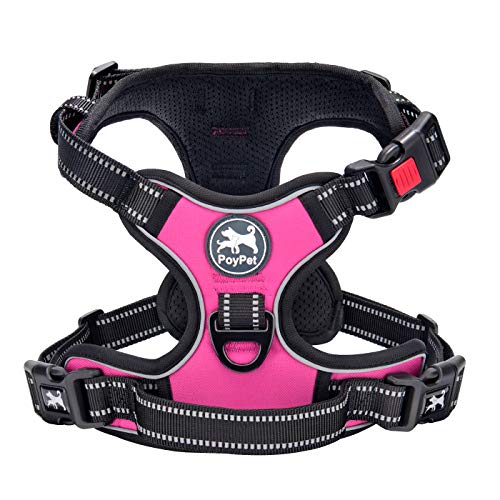
A flat-faced Shih Tzu breathes best when nothing tugs at the trachea, so a chest-loading harness beats any collar for walks. The picks above center on soft padded front-clip and step-in styles such as the Puppia Soft Harness, the Gooby Comfort X Step-in Lite, and the rabbitgoo No Pull. The common thread is a wide, cushioned chest plate, an easy on-and-off shape, and adjustment points that suit a compact toy body without rubbing under the front legs. Lighter mesh builds like the Voyager Step-in also keep a warm-natured brachy dog cooler on longer outings.
What to look for
Prioritize a soft, lightweight harness with a padded, broad chest panel and a front D-ring for gentle no pull steering. Because Shih Tzus carry a long, dense double coat, choose smooth mesh or padded fabric plus a step-in or easy-on shape so you are not dragging material over the face and head. Sizing should be small and adjustable, snug enough to pass only two fingers under each strap, and escape resistant so a determined dog cannot back out. Reflective trim adds visibility on early or late walks, and machine-washable fabric keeps the harness fresh between grooming days.
How we chose
We focused on the traits that matter for a small brachycephalic breed: airway-friendly chest loading, coat-safe materials, secure sizing, and a fuss-free fit. We favored front-clip and step-in designs, breathable padded panels, washable fabrics, and adjustable straps that hold shape over time. We also weighed how easy each harness is to put on for a dog that dislikes overhead handling. Honest note: a no pull harness manages pulling, it does not fix it, so pair any pick with steady reward-based loose-leash training.
What to avoid
Skip collars for leash walks, thin straps that dig in, and rough webbing that mats the coat. Avoid anything that loads the throat or sits too high on the neck. Do not size up for a puppy and hope it fits, since a loose harness invites escape. Watch for overheating, because flat-faced dogs tire and overheat quickly, so keep walks short in heat, carry water, and let your dog rest in the shade. If breathing looks labored or your dog will not settle, stop the walk and check in with your veterinarian before heading out again.