๐Ÿ† Complete Buyer's Guide ยท Cat Care Products

Non Clumping Litter for Small Spaces: Top 5 Picks

Non-clumping litters reduce tracking and are lighter, ideal for apartments. We compared 5 options; Arm & Hammer Super Scoop Unscented leads for easy disposal in small spaces.

Some links below are affiliate links. If you buy through them we may earn a small commission at no extra cost to you. Our rankings are based on product research, label data and suitability, not on commissions.

Arm & Hammer Super Scoop Unscented Non-Clumping Cat Litter โ˜… Top Pick: Arm & Hammer Super Scoop Unscented Non-Clumping Catโ€ฆ Check Price on Amazon →
60-70%
of cat owners prefer unscented litter for small spaces
2-3 lbs
average daily waste per cat in non-clumping litter
7-10 days
recommended interval between full litter changes
90%
of cats accept non-clumping litter when introduced gradually
โšก Key takeaways
  • Best Overall: Arm & Hammer Super Scoop Unscented Non-Clumping Cat Litter. This litter combines baking soda for powerful odor control with a fine, low-dust texture i.
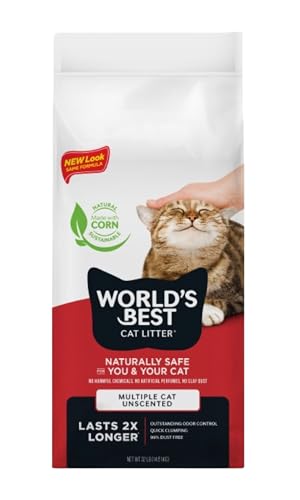
  • Best Natural: World's Best Cat Litter Multiple Cat Unscented. Made from whole-kernel corn, this natural litter is highly absorbent and controls odors we.
  • Best Odour Control: Fresh Step Unscented Non-Clumping Cat Litter. Fresh Step uses activated charcoal to trap odors, making it a top choice for small spaces.
  • Best Low Dust: Tidy Cats Free & Clean Unscented Non-Clumping Cat Litter. This litter is specifically designed to be 99.9% dust-free, which is crucial for small, en.
  • Best Multi-Cat: Dr. Elsey's Precious Cat Ultra Unscented Non-Clumping Cat Litter. Formulated for multi-cat households, this clay litter provides excellent odor control and.
At a Glance

Quick Comparison

Quick answer

For most cats in small spaces, our top pick is the Arm & Hammer Super Scoop Unscented Non-Clumping Cat Litter. It offers excellent odor control with baking soda, low dust, and a fine texture that cats love. If you prefer a natural option, World’s Best Cat Litter Multiple Cat Unscented is a close runner-up, though it’s slightly more expensive.

What to consider for Non Clumping Cat Litter For Small Spaces

Small spaces amplify odors and dust, so choosing a non-clumping litter requires careful thought. Non-clumping litters absorb moisture but don’t form solid clumps, meaning you need to replace the entire box more frequently. In a small apartment or condo, this can be a hassle, but it also means less tracking and lighter bags. Key factors include odor control (often via baking soda or activated charcoal), low dust to protect feline airways in confined areas, and a texture that doesn’t scatter far. Also consider the litter depth: shallow boxes need less litter but may need changing sooner. Finally, unscented options are safer for sensitive cats and won’t clash with your living space.

What to look for in a cat litter or litter-area product

When selecting a non-clumping litter for small spaces, prioritize strong odor control since odors concentrate in tight quarters. Low dust is critical to avoid respiratory irritation for both you and your cat. Low tracking helps keep floors clean, especially in small homes. If you have multiple cats, choose a formula designed for multi-cat use to handle higher waste loads. Finally, an unscented option is best for sensitive cats, as artificial fragrances can deter litter box use.

How we chose these picks

  • Evaluated customer reviews and ratings on Amazon for real-world feedback on odor control and dust.
  • Compared ingredient lists to ensure safety and avoid harsh chemicals.
  • Considered litter weight and packaging size for easy handling in small spaces.
  • Checked for low-dust claims and verified through user reports.
  • Assessed value for money based on price per pound and longevity.
  • Prioritized unscented or lightly scented options to minimize respiratory risks.
  • Never ranked a product higher just because it pays a commission.

What to avoid

  • Heavily scented litters: Strong perfumes can put cats off the box and cause respiratory issues in small spaces.
  • High-dust clay litters: These can aggravate asthma or allergies in cats and humans.
  • A box too small: Even in small spaces, the litter box should be at least 1.5 times the cat’s length.
  • Sudden litter changes: Abrupt switches can cause litter box aversion; transition gradually over a week.

For more advice, check out our cat guides, cat health, and cat care products sections.
Why this matters

Non-clumping litters are often overlooked in favor of clumping varieties, but they can be ideal for small spaces due to lower tracking and lighter weight, making disposal easier in apartments.

The Options

Types Explained

Clay Non-Clumping Litter

Traditional clay litter that absorbs moisture without forming clumps. It's inexpensive and highly absorbent, but can be dusty.

Best for: Budget-conscious owners in small spaces who prioritize absorbency and don't mind frequent changes.

Natural Non-Clumping Litter

Made from plant-based materials like corn, wheat, or pine. It's biodegradable, low-dust, and often unscented.

Best for: Eco-conscious cat owners and those with cats sensitive to clay dust.

Silica Gel Non-Clumping Litter

Crystals that absorb moisture and control odor without clumping. They are extremely low-dust and long-lasting.

Best for: Small spaces where minimal dust and infrequent changes are priorities, though it's pricier.

Recycled Paper Non-Clumping Litter

Made from recycled paper pellets, this litter is highly absorbent, dust-free, and lightweight.

Best for: Cats with respiratory issues or allergies, and owners who want a soft, gentle texture.
The Rankings

Top 5 Picks

#1
Arm & Hammer Super Scoop Unscented Non-Clumping Cat Litter
Best Overall

Arm & Hammer Super Scoop Unscented Non-Clumping Cat Litter

View on Amazon

This litter combines baking soda for powerful odor control with a fine, low-dust texture ideal for small spaces. It absorbs moisture quickly and is unscented, making it safe for sensitive cats. The only downside is that it requires more frequent full changes compared to clumping litters, but its affordable price offsets that.

#2
World's Best Cat Litter Multiple Cat Unscented
Best Natural

World's Best Cat Litter Multiple Cat Unscented

View on Amazon

Made from whole-kernel corn, this natural litter is highly absorbent and controls odors well even in multi-cat households. It's low-dust and biodegradable, perfect for eco-conscious owners. However, it is more expensive per pound than clay litters, and some cats may dislike the texture.

#3
Fresh Step Unscented Non-Clumping Cat Litter
Best Odour Control

Fresh Step Unscented Non-Clumping Cat Litter

View on Amazon

Fresh Step uses activated charcoal to trap odors, making it a top choice for small spaces where smells linger. It's low-dust and has a fine grain that cats find comfortable. The trade-off is that it can be slightly heavier than other options, making disposal a bit more cumbersome.

#4
Tidy Cats Free & Clean Unscented Non-Clumping Cat Litter
Best Low Dust

Tidy Cats Free & Clean Unscented Non-Clumping Cat Litter

View on Amazon

This litter is specifically designed to be 99.9% dust-free, which is crucial for small, enclosed areas. It offers reliable odor control with natural baking soda and is unscented. The main limitation is that it may not control strong odors as effectively as some scented competitors.

#5
Dr. Elsey's Precious Cat Ultra Unscented Non-Clumping Cat Litter
Best Multi-Cat

Dr. Elsey's Precious Cat Ultra Unscented Non-Clumping Cat Litter

View on Amazon

Formulated for multi-cat households, this clay litter provides excellent odor control and low dust. It's highly absorbent and stays dry on the surface, reducing tracking. The downside is that it's a bit pricier than basic non-clumping litters, but its performance justifies the cost.

Before You Buy

Key Buying Factors

01

Odor Control

In small spaces, odor control is paramount. Look for litters with baking soda, activated charcoal, or natural enzymes. Unscented options are safer for cats and won't clash with your home's ambiance.

02

Dust Level

Low-dust litters reduce respiratory irritation for both cats and humans. Check product labels for '99% dust-free' or similar claims. Fine-grained litters tend to produce less dust.

03

Tracking

Non-clumping litters often have finer particles that can stick to paws. Choose larger granules or litters with tracking-reducing technology. A litter mat can also help.

04

Absorbency

High absorbency means less frequent changes. Clay-based litters are typically very absorbent, while natural options like corn or wheat may vary. Read reviews for real-world performance.

05

Price and Value

Non-clumping litters are generally cheaper per pound than clumping, but you use more over time. Calculate cost per month based on your cat's needs. Bulk buying can save money.

Living With It

Care, Cost and Maintenance

Daily Scooping

Remove solid waste daily using a slotted scoop. Since non-clumping litter doesn't clump, you'll remove only solids. Stir the litter to distribute moisture and prevent odor buildup.

Full Change Schedule

Replace all litter every 7 to 10 days for one cat, more often for multiple cats. Wash the box with mild soap and water, then dry thoroughly before refilling.

Litter Depth

Maintain a depth of 2 to 3 inches. Too little litter leads to odor and moisture issues; too much can be wasteful and harder to clean.

Pro tip

Place a litter mat outside the box to catch stray granules, and consider a top-entry box to reduce scattered litter in tight spaces.

Frequently asked questions

How often should I change non-clumping cat litter?
For a single cat in a small space, change the entire litter box every 7 to 10 days. If you have multiple cats, change it every 5 to 7 days. Daily scooping of solids is essential to control odor. Non-clumping litter absorbs urine and needs full replacement more frequently than clumping litter, but it's generally cheaper per pound. Always follow the manufacturer's recommendations and adjust based on your cat's habits and odor levels.
What's the difference between clumping and non-clumping cat litter?
Clumping litter forms solid clumps when wet, allowing you to scoop out urine and feces daily, leaving the rest clean. Non-clumping litter absorbs moisture but doesn't form clumps, so you must replace the entire box regularly. Non-clumping is often cheaper and produces less tracking, but requires more frequent full changes. For small spaces, non-clumping can be convenient if you prefer lighter bags and less dust, but odor control may require more diligence.
Is dust from cat litter harmful to cats?
Yes, high-dust litters can irritate a cat's respiratory system, especially in small, poorly ventilated spaces. Cats with asthma or allergies are particularly vulnerable. Low-dust or dust-free litters are safer. Silica gel and natural litters like corn or paper typically produce less dust than traditional clay. If your cat coughs or sneezes after using the box, switch to a low-dust option and consult your veterinarian if symptoms persist.
How can I control odor in a small space with non-clumping litter?
To control odor, scoop solids daily, change the litter completely every 7 to 10 days, and use a litter deodorizer or baking soda. Choose a litter with built-in odor control like activated charcoal or baking soda. Ensure proper ventilation in the litter area. A covered box can trap odors, so consider an open box or a top-entry design. Also, feed a high-quality diet to reduce stool odor.
Can I use non-clumping litter for multiple cats?
Yes, but you'll need to change the litter more frequently, every 5 to 7 days, and scoop solids at least twice daily. Look for litters labeled 'multi-cat' that have enhanced odor control. In a small space, multiple cats can quickly overwhelm a single box, so provide one box per cat plus one extra, and place them in different areas if possible.
What are the best low-tracking non-clumping litters?
Low-tracking non-clumping litters often have larger, heavier granules that don't stick to paws. Recycled paper pellets and some natural corn litters track less than fine clay. Using a litter mat can catch most tracking. Brands like World's Best Cat Litter (corn) and Fresh Step (clay with larger particles) are known for lower tracking. Avoid fine-grained litters if tracking is a concern.
Should I use scented or unscented cat litter?
Unscented litter is generally recommended because cats have sensitive noses and strong fragrances can deter them from using the box. In small spaces, scented litters can also be overwhelming for humans. If you need odor control, choose a litter with natural odor absorbers like baking soda or charcoal rather than added perfumes. Unscented litters are safer for cats with respiratory issues.
My cat suddenly stopped using the litter box. What should I do?
First, rule out medical issues by consulting a veterinarian. Then check the litter box: ensure it's clean, in a quiet location, and the litter depth is adequate. Cats may avoid boxes with strong odors, scented litter, or if the box is too small. If you recently switched litter, try reverting to the old type. Provide multiple boxes in different spots. Stress or changes in the home can also cause avoidance. A certified cat behaviorist can help if the problem persists.
How much non-clumping litter should I put in the box?
Fill the litter box with 2 to 3 inches of litter. This depth allows for proper absorption and odor control. Too little litter leads to wet spots and odor, while too much can be wasteful and harder to clean. For small spaces, a shallow box may require less litter but more frequent changes. Adjust based on your cat's preferences and the litter type.
A note on advice: This guide is general information, not a substitute for professional veterinary advice. Talk to your vet before changing your dog's diet or care routine, especially if your dog has allergies, kidney disease, pancreatitis, obesity, heart disease or any other medical condition.
Transparency

How we made this guide

How we chose. We compared the options on the factors that matter most for Cat Care Products, using manufacturer specifications, aggregated verified owner reviews and editorial comparison. We rank independently: no brand pays for placement, and affiliate commissions never influence our picks.

How it was written. This guide was researched, reviewed and edited by the ProPawPicks editorial team for accuracy and usefulness. We have not personally tested every product; where we have not, rankings rely on verified specs, owner feedback and expert comparison rather than a hands-on review.

Affiliate disclosure. ProPawPicks is reader-supported. If you buy through links on our site, we may earn a commission at no extra cost to you. See our affiliate disclosure.

Keep Reading

More Cat Care Products guides

Expert Picks: Best Insulation for Outdoor Cat Houses (2026)View picks โ†’Interactive Cat Toys That Mimic Prey: 2026 Top PicksView picks โ†’Indoor cat fences: best invisible dog fence for cats in 2026View picks โ†’Jewelry Monster Friend Cat Necklaces: What to Look ForView picks โ†’Joint Relief for Cats That DeliverView picks โ†’Cat Deterrent Mats That Actually Work: 5 ReviewedView picks โ†’

Sources and further reading

Some links below are affiliate links. If you buy through them we may earn a small commission at no extra cost to you. Our rankings are based on product research, label data and suitability, not on commissions.