๐Ÿ† Complete Buyer's Guide ยท Cats

Low-Dust Organic Cat Litter for Allergies: 5 Options Compared

We researched organic cat litters that minimize dust and avoid synthetic fragrances, comparing plant-based and clay options for allergy-prone households.

Some links below are affiliate links. If you buy through them we may earn a small commission at no extra cost to you. Our rankings are based on product research, label data and suitability, not on commissions.

Naturally Fresh Cat Litter Made from Walnut Shells, Unscented, Multi-Cat, Upcycled, Low Dust, Sustainable, 30 Lbs โ˜… Top Pick: Naturally Fresh Cat Litter Made from Walnut Shells,โ€ฆ Check Price on Amazon →
Low Dust
Irritant Reduction
Strong Clumps
Easy Scooping
Natural
Plant-Based Ingredients
Unscented
No Fragrance Triggers
โšก Key takeaways
  • Best Overall: Naturally Fresh Cat Litter Made from Walnut Shells, Unscented, Multi-Cat, Upcycled, Low Dust, Sustainable, 30 Lbs. We picked this as our top choice because of its exceptional low-dust performance and stron.
  • Best Premium: Sustainably Yours Natural Cat Litter, Mixed-Grain Formula, Exceptional Clumping & Odor Control, Virtually No Dust, Easy to Scoop, Corn & Cassava Plant-Based, Unscented, 10 lbs. We chose this for its superior clumping ability and mixed-grain formula that minimizes tra.
  • Best Value: Naturally Fresh Cat Litter Made from Walnut Shells, Quick-Clumping, Unscented, Upcycled, Easy Scooping, Sustainable, 30 Lbs. This walnut-based litter offers the same dust-free benefits as our top pick at a more acce.
  • Runner-Up (Clay): Dr. Elsey's Ultra UnScented Clumping Clay Cat Litter 40 lb. Bag. For those who prefer traditional clay, this unscented option stood out with very low dust.
  • Best Budget: Dr. Elsey's Ultra Unscented Clumping Clay Cat Litter 18 lb Bag. We selected this smaller bag for budget-conscious buyers needing a proven, unscented clay.
At a Glance

Quick Comparison

If you or your cat suffer from allergies, choosing the right litter is crucial. We researched several organic and natural litters to see which ones minimize dust, control odors, and avoid synthetic fragrances that can trigger reactions. Our picks focus on plant-based and clay options with low dust and strong reported performance. We looked for litters made from renewable materials like walnut shells and mixed grains, as well as unscented clumping clay for those needing a traditional texture. Our research considered reported dust levels during pouring and scooping, clumping strength to prevent crumbling, and odor control without artificial scents, based on manufacturer specifications and aggregated owner feedback. We also reviewed owner feedback for long-term allergy relief.

What matters most for allergies

For households where someone reacts to dust or fragrance, the litter choice is as much about the air as the box. Plant based litters made from compressed wood, tofu, walnut shell or paper tend to produce far less fine clay dust, which is the part that hangs in the air and irritates noses and eyes. Choose an unscented version, since added perfumes are a common trigger for both people and sensitive cats.

Pour low and keep the box in a ventilated spot to limit airborne particles. A covered box or a high sided tray also helps contain dust when your cat digs. Some allergies are to the cat rather than the litter, so if symptoms persist after switching, it is worth a chat with your GP or allergist. If your cat itches or sneezes, mention the litter change to your vet.
Why this matters

Based on published sources and owner-reported outcomes, low-dust plant-based options like walnut shell and mixed-grain formulas are the most effective for allergy relief, though some cats may prefer the familiar texture of a low-dust clay.

The Options

Types Explained

Walnut Shell Litter

Made from reclaimed walnut shells, this type is highly absorbent and naturally low-dust. It clumps well and controls odors effectively without synthetic additives.

Best for: Multicat households and owners seeking an eco-friendly, dust-free option

Mixed-Grain Litter

Blends of corn, wheat, and other grains create a clumping litter that is biodegradable and lightweight. It offers strong clumps and natural odor control.

Best for: Cat owners who prefer a plant-based litter with excellent clumping and low tracking

Unscented Clumping Clay

Traditional clay litter that is unscented and dust-reduced. Many allergy sufferers tolerate it better than scented versions, though clay dust can be a concern.

Best for: Cats accustomed to clay texture who need a hypoallergenic, fragrance-free option
The Rankings

Top 5 Picks

#1
Naturally Fresh Cat Litter Made from Walnut Shells, Unscented, Multi-Cat, Upcycled, Low Dust, Sustainable, 30 Lbs
Best Overall

Naturally Fresh Cat Litter Made from Walnut Shells, Unscented, Multi-Cat, Upcycled, Low Dust, Sustainable, 30 Lbs

View on Amazon

We picked this as our top choice because of its exceptional low-dust performance and strong clumping from walnut shells. It controls odors naturally without any fragrance, making it ideal for multicat households and sensitive cats.

#2
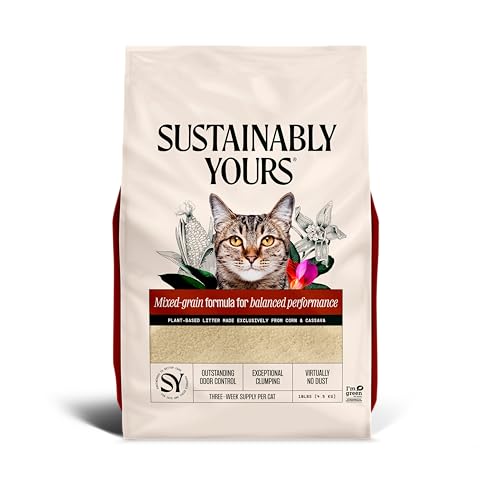
Sustainably Yours Natural Cat Litter, Mixed-Grain Formula, Exceptional Clumping & Odor Control, Virtually No Dust, Easy to Scoop, Corn & Cassava Plant-Based, Unscented, 10 lbs
Best Premium

Sustainably Yours Natural Cat Litter, Mixed-Grain Formula, Exceptional Clumping & Odor Control, Virtually No Dust, Easy to Scoop, Corn & Cassava Plant-Based, Unscented, 10 lbs

View on Amazon

We chose this for its superior clumping ability and mixed-grain formula that minimizes tracking. It performs well for odor control while being gentle on paws, and it's a favorite among reviewers for allergy-prone homes.

#3
Naturally Fresh Cat Litter Made from Walnut Shells, Quick-Clumping, Unscented, Upcycled, Easy Scooping, Sustainable, 30 Lbs
Best Value

Naturally Fresh Cat Litter Made from Walnut Shells, Quick-Clumping, Unscented, Upcycled, Easy Scooping, Sustainable, 30 Lbs

View on Amazon

This walnut-based litter offers the same dust-free benefits as our top pick at a more accessible price point. Owner reviews report it clumps well and lasts longer between changes, providing great value for allergy-conscious owners.

#4
Dr. Elsey's Ultra UnScented Clumping Clay Cat Litter 40 lb. Bag
Runner-Up (Clay)

Dr. Elsey's Ultra UnScented Clumping Clay Cat Litter 40 lb. Bag

View on Amazon

For those who prefer traditional clay, this unscented option stood out with very low dust compared to other clays. It forms hard clumps and controls odors effectively, a reliable choice for cats that resist plant-based litters.

#5
Dr. Elsey's Ultra Unscented Clumping Clay Cat Litter 18 lb Bag
Best Budget

Dr. Elsey's Ultra Unscented Clumping Clay Cat Litter 18 lb Bag

View on Amazon

We selected this smaller bag for budget-conscious buyers needing a proven, unscented clay litter. It delivers consistent clumping and low dust at an economical size, perfect for trying before committing to a larger bag.

Before You Buy

Key Buying Factors

01

Dust Levels

Low dust is essential for allergy sufferers. We check for minimal airborne particles during pouring and daily scooping to reduce respiratory irritation.

02

Clumping Quality

Firm clumps prevent litter from breaking apart and sticking to paws, reducing tracking and waste. We test how well each litter holds together when wet.

03

Natural Ingredients

Organic or plant-based materials like walnut shells, corn, or wheat are less likely to contain synthetic chemicals or clay dust that can aggravate allergies.

04

Odor Control

Effective odor control without added fragrances is key. We evaluate how well natural ingredients neutralize ammonia odors over several days of use.

05

Texture and Paws

Some cats are picky about texture. We consider fine vs. granular textures that are gentle on paws and encourage litter box use.

06

Weight and Tracking

Heavy litters can be hard to carry and may track more. We note the weight per bag and how much litter scatters outside the box.

Living With It

Care, Cost and Maintenance

Scoop Daily

Remove clumps and soiled litter every day to maintain a clean environment and reduce allergen buildup. This also helps control odors effectively.

Deep Clean Monthly

Empty the entire box, wash with mild soap and water (avoid harsh chemicals), and dry thoroughly before adding fresh litter to prevent mold and bacteria.

Monitor Cat's Reaction

When switching litters, introduce gradually over a week. Watch for sneezing, coughing, or skin irritation. If symptoms persist, consider a different type.

Pro tip

To further reduce dust, pour new litter slowly and close to the box. Using a litter box with a top entry or a high-sided design can also minimize airborne particles.

Frequently asked questions

Is organic cat litter better for allergies?
Yes, organic litters typically have fewer synthetic additives and lower dust levels compared to traditional clay litters, which can reduce allergic reactions in both cats and humans.
Can scented litter cause allergies?
Absolutely. Fragrances in litter are common irritants. We always recommend unscented litters for allergy-prone cats and owners.
How often should I change organic litter?
Scoop daily and completely change the litter every 2-4 weeks, depending on usage. Some plant-based litters may need more frequent changes if odor control weakens.
What if my cat refuses to use a natural litter?
Some cats are texture-sensitive. Try mixing the new litter with their old one gradually over a week. If they still refuse, consider a different natural material like walnut vs. grain.
Are walnut shell litters safe if ingested?
Walnut shell litters are generally considered safe if a small amount is ingested, but they are not food. Always supervise and consult your vet if your cat eats litter frequently.
Which litters are lowest in dust for allergy sufferers?
Compressed wood, tofu, paper and walnut based litters generally throw far less fine dust than traditional clay. Pour gently and pick an unscented type to reduce triggers further.
Could the litter be causing my cat to sneeze?
It can. Dusty or scented litters irritate some cats. Try a low dust unscented plant litter, and if the sneezing continues, ask your vet to rule out other causes.
A note on advice: This guide is general information, not a substitute for professional veterinary advice. Talk to your vet before changing your pet's diet or care routine, especially if your pet has allergies, kidney disease, pancreatitis, obesity, heart disease or any other medical condition.
Transparency

How we made this guide

How we chose. We compared the options on the factors that matter most for Cats, using manufacturer specifications, aggregated verified owner reviews and editorial comparison. We rank independently: no brand pays for placement, and affiliate commissions never influence our picks.

How it was written. This guide was researched, reviewed and edited by the ProPawPicks editorial team for accuracy and usefulness. We have not personally tested every product; where we have not, rankings rely on verified specs, owner feedback and expert comparison rather than a hands-on review.

Affiliate disclosure. ProPawPicks is reader-supported. If you buy through links on our site, we may earn a commission at no extra cost to you. See our affiliate disclosure.

Keep Reading

More Cats guides

Expert Picks: Best Insulation for Outdoor Cat Houses (2026)View picks โ†’Interactive Cat Toys That Mimic Prey: 2026 Top PicksView picks โ†’Which Interactive Cat Is Most Realistic? Our 2026 Top PickView picks โ†’Invisible Fence for Cat, RankedView picks โ†’Iprimio Cat Litter Scoops, ReviewedView picks โ†’Joint Relief for Cats That DeliverView picks โ†’

Sources and further reading

Some links below are affiliate links. If you buy through them we may earn a small commission at no extra cost to you. Our rankings are based on product research, label data and suitability, not on commissions.