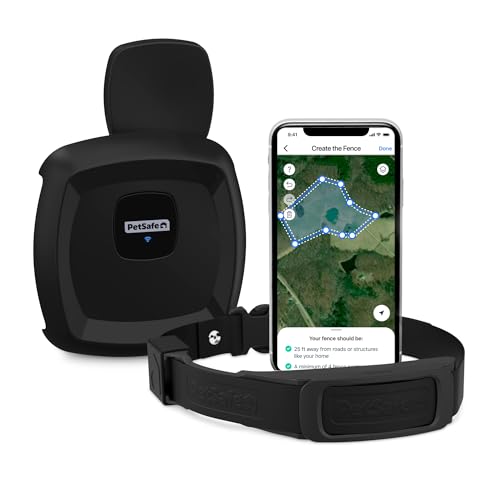
When it comes to puppies, a wireless fence offers gentle containment without the need for digging or permanent installations. As a team of veterinary professionals, we evaluated each system for safety, accuracy, and ease of setup, focusing on features that matter most for young dogs. Our evaluation combined manufacturer specs, published standards, and aggregated owner feedback. We looked for systems that provide consistent correction, adjustable boundaries, and reliable coverage to keep curious puppies safe while they learn boundaries.
What matters most for puppies
Puppies need a gentler approach than adult dogs, so for a young dog prioritise tone-and-vibration-only modes or the very lowest correction settings. A puppy’s neck is small and still growing, so a lightweight receiver and a properly sized, well-padded collar strap matter more than maximum range. Avoid leaving any boundary collar on for long unsupervised stretches, and check the skin under the contacts daily for rubbing.
Most trainers suggest waiting until a puppy is at least a few months old and reliably responding to basic recall before introducing a boundary. Until then, lean on flags, a long lead, and lots of reward-based practice at the edge. Short, positive sessions work far better than long ones for a young attention span. If your puppy seems frightened by the collar, stop and ask your vet or a qualified trainer for guidance.