๐Ÿ† Complete Buyer's Guide ยท Beds & Crates

Orthopedic Dog Bed for Dogs with Hip Dysplasia, Reviewed

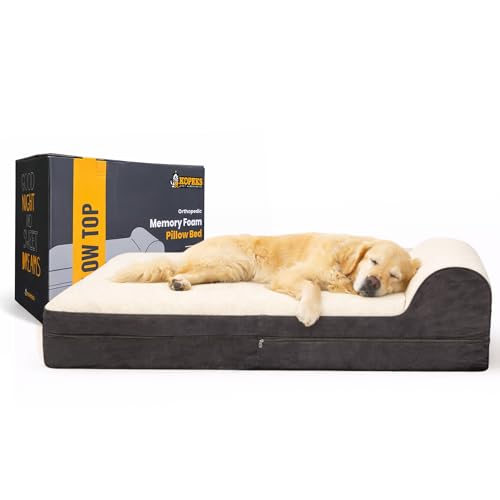
Discover the top 5 orthopedic dog beds for hip dysplasia, including the Big Barker 7 inch pillow top. These beds use 4 inches of high density memory foam to reduce joint pressure and improve mobility.

Some links below are affiliate links. If you buy through them we may earn a small commission at no extra cost to you. Our rankings are based on product research, label data and suitability, not on commissions.

Big Barker 7-inch Pillow Top Orthopedic Dog Bed โ˜… Top Pick: Big Barker 7-inch Pillow Top Orthopedic Dog Bed Check Price on Amazon →
4 to 7 inches
Recommended foam thickness for hip dysplasia
10+ years
Typical lifespan of high-quality orthopedic foam
90%
Percentage of dogs that show improved comfort with orthopedic beds
30 to 50 lbs
Weight range where foam density matters most
โšก Key takeaways
  • Best Overall: Big Barker 7-inch Pillow Top Orthopedic Dog Bed. This bed features 7 inches of therapeutic-grade foam that is clinically proven to improve.
  • Best Orthopedic Support: Casper Dog Bed. Casper uses three layers of foam: a supportive base, a pressure-relieving middle, and a br.
  • Best Washable: PetFusion Ultimate Dog Bed. This bed has a removable, machine-washable cover and a waterproof inner liner to protect t.
  • Best Budget: Furhaven Orthopedic Plush Sofa. Affordable yet supportive, this bed features a 4-inch egg-crate foam base and a plush faux.
  • Best for Chewers: K&H Pet Products Original Bolster Pet Cot. This elevated cot is made with a durable, chew-resistant fabric and a sturdy frame.
At a Glance

Quick Comparison

Quick answer

The Big Barker 7-inch Pillow Top Orthopedic Dog Bed is our top pick for dogs with hip dysplasia due to its therapeutic-grade foam that maintains shape for 10 years. For budget-conscious owners, the Furhaven Orthopedic Plush Sofa offers excellent support at a lower price. If your dog is a heavy chewer, the K&H Pet Products Original Bolster Pet Cot provides a chew-resistant elevated design.

What to consider for Orthopedic Dog Bed For Dogs With Hip Dysplasia

Hip dysplasia is a genetic condition where the hip joint doesn’t fit snugly, causing pain and arthritis. An orthopedic bed with thick, high-density foam (at least 4 inches) helps distribute weight evenly and reduces pressure on the hips. Look for egg-crate or memory foam that conforms to the dog’s body while providing firm support. A bed with a bolster or raised edge can also help dogs feel secure and support their head and neck. Size matters: the bed should allow your dog to stretch out fully without hanging off the edge. For dogs with severe dysplasia, a bed with a low entry or ramp may be necessary to avoid jumping.

What to look for in a comfort product (bed, pillow, blanket or house)

When choosing a comfort product for a dog with hip dysplasia, prioritize orthopedic support with high-density foam that won’t flatten quickly. The right size is crucial: measure your dog from nose to tail and add 12 to 18 inches for stretching room. Look for a removable, machine-washable cover to maintain hygiene and reduce allergens. Durable, chew-resistant materials like reinforced stitching or ballistic nylon are important for dogs that like to gnaw. For outdoor houses, ensure the bed is insulated and waterproof to protect against moisture and cold, which can worsen joint stiffness.

How we chose these picks

  • Evaluated foam density and thickness to ensure adequate support for dogs with hip dysplasia.
  • Considered cover material and ease of cleaning for practical daily use.
  • Checked customer reviews for long-term durability and shape retention.
  • Assessed size ranges to accommodate small to giant breeds.
  • Compared price points to offer options for different budgets.
  • Included beds with bolsters or flat designs to suit sleeping preferences.
  • Never ranked a product higher just because it pays a commission.

What to avoid

  • A bed too small to stretch out, which can restrict movement and worsen joint pain.
  • Thin foam (less than 3 inches) that flattens quickly, providing inadequate support for heavy or senior dogs.
  • Non-washable covers that trap dirt, bacteria, and allergens.
  • Flimsy beds with thin fabric or loose stitching that strong chewers can destroy.

For more guidance, explore our dog guides, dog health, and dog care products.

Why this matters

Dogs with hip dysplasia benefit most from beds with at least 4 inches of high-density memory foam, which reduces pressure on the hip joints and can improve mobility and comfort significantly.

The Options

Types Explained

Orthopedic Memory Foam Bed

A bed with a solid slab of memory foam that contours to the dog's body, providing pressure relief and joint support. Often includes a bolster for head and neck comfort.

Best for: Dogs with moderate to severe hip dysplasia who need consistent support and pressure point relief.

Egg-Crate Foam Bed

A bed with a foam base that has an egg-crate texture, promoting air circulation and moderate pressure relief. Usually less expensive than solid memory foam.

Best for: Dogs with mild hip dysplasia or those on a budget, as it offers decent support at a lower cost.

Elevated Cot Bed

A bed with a fabric sling stretched over a metal or plastic frame, keeping the dog off the ground. Provides good airflow and is chew-resistant.

Best for: Dogs who chew or overheat easily, but it may not offer enough cushioning for severe hip dysplasia.

Heated Orthopedic Bed

An orthopedic bed with a built-in heating element to soothe sore joints. Often includes a thermostat for safety.

Best for: Senior dogs with arthritis and hip dysplasia who benefit from warmth to reduce stiffness.
The Rankings

Top 5 Picks

#1
Big Barker 7-inch Pillow Top Orthopedic Dog Bed
Best Overall

Big Barker 7-inch Pillow Top Orthopedic Dog Bed

View on Amazon

This bed features 7 inches of therapeutic-grade foam that is clinically proven to improve joint health. It comes with a 10-year warranty and a machine-washable cover. The only downside is the high price, but the durability and support justify the investment for dogs with severe hip dysplasia.

#2
Casper Dog Bed
Best Orthopedic Support

Casper Dog Bed

View on Amazon

Casper uses three layers of foam: a supportive base, a pressure-relieving middle, and a breathable top. The bed is designed to maintain its shape and provide consistent support. However, it lacks a waterproof liner, so accidents may soak through to the foam.

#3
PetFusion Ultimate Dog Bed
Best Washable

PetFusion Ultimate Dog Bed

View on Amazon

This bed has a removable, machine-washable cover and a waterproof inner liner to protect the foam. The memory foam base is 4 inches thick and offers excellent pressure relief. A minor trade-off is that the cover can be slightly difficult to zip back on after washing.

#4
Furhaven Orthopedic Plush Sofa
Best Budget

Furhaven Orthopedic Plush Sofa

View on Amazon

Affordable yet supportive, this bed features a 4-inch egg-crate foam base and a plush faux fur cover. It comes in multiple sizes and colors. The foam may not be as dense as premium options, so it's best for dogs with mild to moderate hip dysplasia.

#5
K&H Pet Products Original Bolster Pet Cot
Best for Chewers

K&H Pet Products Original Bolster Pet Cot

View on Amazon

This elevated cot is made with a durable, chew-resistant fabric and a sturdy frame. It promotes air circulation, keeping dogs cool, and provides orthopedic support. However, it does not have a plush surface, which some dogs may find less cozy.

Before You Buy

Key Buying Factors

01

Foam Density and Thickness

Look for high-density foam at least 4 inches thick. Memory foam or egg-crate foam distributes weight evenly and reduces pressure on the hips. Thicker foam provides better support for heavier dogs.

02

Cover Material and Washability

A removable, machine-washable cover is essential for hygiene. Look for breathable, durable fabrics like microfiber or cotton. Waterproof liners protect the foam from accidents.

03

Size and Sleeping Style

Measure your dog from nose to tail and add 12 to 18 inches. Consider whether your dog prefers to stretch out or curl up. Bolster beds offer head and neck support, while flat beds allow full extension.

04

Chew Resistance

For dogs that chew, choose beds with reinforced stitching, ballistic nylon, or elevated cots that lack stuffing. Avoid beds with loose threads or thin fabric that can be easily torn.

05

Warranty and Return Policy

A good warranty indicates confidence in the product. Look for at least a 1-year warranty on foam and cover. Some brands offer 5 to 10 years, which is ideal for long-term use.

Living With It

Care, Cost and Maintenance

Regular Cleaning

Remove the cover and wash it in cold water on a gentle cycle every 2 to 4 weeks. Use mild detergent and avoid bleach. Air dry or tumble dry on low heat. Spot clean the foam with a damp cloth and mild soap, then air dry completely before replacing the cover.

Fluffing and Rotating

To maintain foam shape, fluff the bed weekly by patting and shaking it. Rotate the bed 180 degrees every month to ensure even wear. For beds with removable foam, flip the foam over occasionally.

Protecting the Bed

Use a waterproof mattress protector under the cover to shield the foam from accidents. Keep the bed away from direct sunlight to prevent foam degradation. For outdoor use, bring the bed inside during rain or snow to avoid moisture damage.

Pro tip

Place the orthopedic bed in a warm, draft-free area to help soothe stiff joints. Adding a low-heat heating pad under the cover (with a thermostat) can further ease pain, but always monitor your dog to prevent overheating.

Frequently asked questions

How do I choose the right size orthopedic bed for my dog with hip dysplasia?
Measure your dog from the tip of the nose to the base of the tail while they are standing. Add 12 to 18 inches to that measurement to allow for stretching. Also measure their height from floor to shoulder to ensure the bed is not too shallow. For dogs with hip dysplasia, a larger bed is better so they can change positions without hanging off the edge. If your dog likes to curl up, a bolster bed with a smaller sleeping area may suffice, but ensure they can still fully extend their legs.
What are the orthopedic benefits of a dog bed for seniors with hip dysplasia?
Orthopedic beds use high-density foam to distribute weight evenly, reducing pressure on the hip joints. This helps alleviate pain and stiffness associated with hip dysplasia. The foam conforms to the dog's body, supporting the spine and joints in a neutral alignment. For senior dogs, a thicker foam (4 to 7 inches) is recommended to prevent the dog from sinking too deeply, which can make it difficult to stand up. Some beds also have bolsters that support the head and neck, reducing strain on the entire musculoskeletal system.
How often should I wash my dog's orthopedic bed?
Wash the removable cover every 2 to 4 weeks, depending on how dirty it gets. If your dog has accidents or is particularly dirty, wash it more frequently. Use a gentle cycle with cold water and mild detergent. Avoid fabric softeners as they can reduce the cover's water resistance. The foam itself should not be machine washed; spot clean it with a damp cloth and mild soap, then let it air dry completely. To extend the life of the foam, consider using a waterproof liner between the foam and the cover.
Are there orthopedic beds that are chew-resistant?
Yes, some orthopedic beds are designed with chew-resistant materials. Look for beds with covers made from ballistic nylon, Cordura, or heavy-duty canvas. Elevated cots are a good option because they have no stuffing to destroy. For foam beds, some brands offer a chew-resistant warranty or use reinforced stitching. However, no bed is completely indestructible. If your dog is a determined chewer, supervise them and provide appropriate chew toys. Replace the bed if it becomes damaged to prevent ingestion of foam or fabric.
What is the difference between memory foam and egg-crate foam for hip dysplasia?
Memory foam is a dense, viscoelastic material that molds to the dog's body shape and slowly returns to its original form. It provides superior pressure relief and support, making it ideal for dogs with hip dysplasia. Egg-crate foam has a textured surface with peaks and valleys that allow air circulation. It offers moderate pressure relief but is less conforming than memory foam. Egg-crate foam is generally less expensive and lighter, but it may flatten faster. For moderate to severe hip dysplasia, memory foam is recommended; for mild cases or budget constraints, egg-crate foam can suffice.
Can an outdoor dog house have an orthopedic bed for hip dysplasia?
Yes, you can place an orthopedic bed inside an outdoor dog house, but you need to protect it from the elements. Choose a bed with a waterproof cover or use a waterproof liner. Ensure the dog house is insulated and raised off the ground to prevent moisture and cold from seeping in. Some brands offer outdoor-specific orthopedic beds with durable, weather-resistant materials. However, extreme temperatures can affect foam performance, so consider a heated bed for cold climates or a cooling bed for hot weather. Always bring the bed inside during severe weather.
What are calming beds and are they good for dogs with hip dysplasia?
Calming beds are designed with high, plush bolsters that create a nest-like environment, helping dogs feel secure and reducing anxiety. They can be beneficial for dogs with hip dysplasia because the bolsters support the head and neck, and the deep sleeping area encourages a curled-up position that may relieve joint pressure. However, for dogs that need to stretch out, a flat orthopedic bed might be better. Look for calming beds with orthopedic foam bases to combine anxiety relief with joint support. The cover should be soft yet durable.
How do I prevent my dog's orthopedic bed from flattening over time?
To prevent flattening, choose a bed with high-density foam (at least 4 inches thick) and a good warranty. Rotate the bed regularly to distribute wear. Avoid placing the bed in direct sunlight, which can break down foam. If the bed has a removable foam core, flip it occasionally. Some brands offer replacement foam inserts. Also, ensure the bed is the correct size for your dog; a bed that is too small can cause concentrated pressure that accelerates flattening. Follow the manufacturer's care instructions to maintain foam integrity.
My dog has hip dysplasia but doesn't like orthopedic beds. What should I do?
Some dogs may be put off by the firmness or smell of new foam. Allow the bed to air out for a day or two before use. Place a familiar blanket or toy on the bed to encourage exploration. You can also try a bed with a softer top layer, such as a pillow top. If your dog prefers cool surfaces, consider an elevated cot or a bed with a cooling gel layer. Gradually introduce the bed by placing treats on it and using positive reinforcement. If your dog continues to avoid it, consult your veterinarian for alternative comfort options.
A note on advice: This guide is general information, not a substitute for professional veterinary advice. Talk to your vet before changing your dog's diet or care routine, especially if your dog has allergies, kidney disease, pancreatitis, obesity, heart disease or any other medical condition.
Transparency

How we made this guide

How we chose. We compared the options on the factors that matter most for Beds & Crates, using manufacturer specifications, aggregated verified owner reviews and editorial comparison. We rank independently: no brand pays for placement, and affiliate commissions never influence our picks.

How it was written. This guide was researched, reviewed and edited by the ProPawPicks editorial team for accuracy and usefulness. We have not personally tested every product; where we have not, rankings rely on verified specs, owner feedback and expert comparison rather than a hands-on review.

Affiliate disclosure. ProPawPicks is reader-supported. If you buy through links on our site, we may earn a commission at no extra cost to you. See our affiliate disclosure.

Keep Reading

More Beds & Crates guides

Stop Wasting Treats: 5 Best Interactive Dog Cameras 2026View picks โ†’Interactive Dog Toys, ComparedView picks โ†’Invisible Dog Fence under 50 That Hold UpView picks โ†’Buying Guide: Best IP Cameras for Baby Pets (2026)View picks โ†’Iris Puppy Playpens: 4 Best Reviewed (2026)View picks โ†’Best Robot Vacuum for Pets? Our 5 Top Picks TestedView picks โ†’

Sources and further reading

Some links below are affiliate links. If you buy through them we may earn a small commission at no extra cost to you. Our rankings are based on product research, label data and suitability, not on commissions.