Find the best chinchilla pellets for every budget. We prioritize Timothy hay based options with fiber over 20% and fat under 3%, starting with Oxbow Essentials.
Some links below are affiliate links. If you buy through them we may earn a small commission at no extra cost to you. Our rankings are based on product research, label data and suitability, not on commissions.
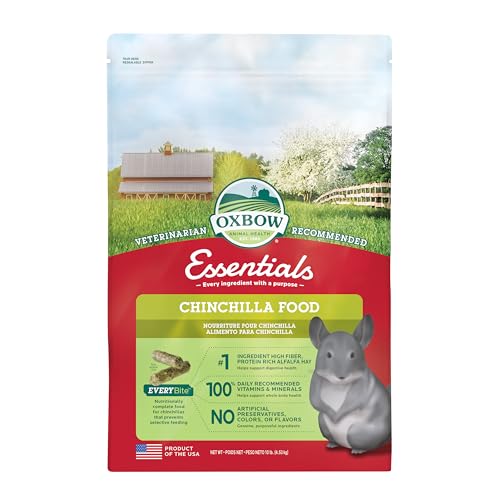
Top Pick: Oxbow Essentials Chinchilla Food, Made. This Timothy hay-based pellet has a consistent formulation with no seeds or treats, ideal.
Best Value: Kaytee Forti-Diet Pro Health Nourish+Protect Guinea Pig Food. A budget-friendly option that still offers balanced nutrition with added probiotics for di.
Best Upgrade: Mazuri | Chinchilla Diet | 25 Pound (25 lb.) Bag. Formulated by nutritionists for research institutions, this pellet has a high fiber conten.
Best for Beginners: Sunseed Vita Prima Chinchilla Food. This pellet includes Timothy hay and added vitamins, making it a solid starting point for.
Also Great: Sherwood Pet Health Chinchilla Food. Designed to support urinary tract health with lower calcium levels, this pellet is ideal f.
Chinchillas have a unique digestive system that requires a high-fiber, low-fat diet to stay healthy. Our editorial team compared the top pellet brands to find options that provide the right balance of nutrients for these sensitive animals.
A good chinchilla pellet should be Timothy hay-based, with no added seeds, nuts, or dried fruits. We focused on products that meet the specific nutritional needs of chinchillas, avoiding fillers and artificial ingredients.
Why this matters
We found that the best chinchilla pellets are those with a simple ingredient list based on Timothy hay, with fiber content above 20% and fat below 3%. Avoiding pellets with added seeds, treats, or artificial ingredients is crucial for preventing selective feeding and long-term health issues.
The Rankings
Top 5 Picks
#1
Top Pick
Oxbow Essentials Chinchilla Food, Made
View on Amazon
This Timothy hay-based pellet has a consistent formulation with no seeds or treats, ideal for chinchillas' sensitive digestive systems. It provides the 20-25% fiber that chinchillas need for dental and gut health.
Kaytee Forti-Diet Pro Health Nourish+Protect Guinea Pig Food
View on Amazon
A budget-friendly option that still offers balanced nutrition with added probiotics for digestive support. It's a good staple for chinchillas that don't have specific health issues.
Formulated by nutritionists for research institutions, this pellet has a high fiber content and is free from artificial colors. It's a premium choice for chinchillas with sensitive stomachs or those needing a stable diet.
This pellet includes Timothy hay and added vitamins, making it a solid starting point for new chinchilla owners. The small, consistent pellet size is easy for chinchillas to eat.
Designed to support urinary tract health with lower calcium levels, this pellet is ideal for chinchillas prone to bladder stones. It uses whole food ingredients and avoids fillers.
Chinchillas need at least 20% crude fiber in their diet to maintain proper digestion and dental health. Check the guaranteed analysis on the package to ensure it meets this requirement.
02
Fat and Protein Levels
Chinchillas should have a low-fat diet (under 3%) and moderate protein (16-20%). High fat can lead to obesity and liver issues, while too much protein can stress the kidneys.
03
Ingredient Quality
Look for a pellet that lists Timothy hay or another grass hay as the first ingredient. Avoid pellets with seeds, nuts, dried fruit, or added sugars, which can cause selective feeding and health problems.
04
Pellet Uniformity
Choose a pellet that is uniform in size and shape to prevent selective eating. Chinchillas may pick out favorite pieces if the feed contains a mix of items, leading to an unbalanced diet.
05
Brand Reputation and Freshness
Stick with established brands that specialize in small animal nutrition. Check the expiration date and ensure the bag is sealed properly to maintain freshness, as old pellets can lose nutrients.
Living With It
Care, Cost and Maintenance
Daily Pellet Feeding
Provide 1-2 tablespoons of pellets per chinchilla per day. Free-feeding is not recommended as it can lead to obesity. Always remove uneaten pellets after 24 hours to ensure freshness.
Unlimited Hay
In addition to pellets, provide unlimited Timothy hay or other grass hay. Hay is essential for dental wear and digestive motility. Avoid alfalfa hay for adult chinchillas due to high calcium and protein.
Fresh Water
Always provide fresh, clean water in a sipper bottle. Change the water daily and clean the bottle weekly to prevent bacterial growth. Avoid water bowls as they can become contaminated.
Treats and Supplements
Limit treats to small amounts of safe options like rose hips or dried herbs. Avoid sugary or starchy treats. Do not add vitamin supplements unless directed by a veterinarian, as pellets are nutritionally complete.
Monitor Eating Habits
Watch for changes in appetite or stool consistency. Chinchillas that stop eating or produce soft feces may need immediate veterinary attention. A healthy chinchilla will eat consistently and produce dry, round droppings.
Frequently asked questions
Can chinchillas eat only pellets?
No, chinchillas need unlimited Timothy hay for proper dental wear and digestion. Pellets should be a supplement, not the sole diet. A typical daily amount is 1-2 tablespoons per chinchilla.
What ingredients should I avoid in chinchilla pellets?
Avoid pellets with seeds, nuts, dried fruit, corn, soy, or added sugars. These can cause obesity, digestive upset, and selective feeding. Also avoid pellets with artificial colors or preservatives.
How do I transition my chinchilla to a new pellet?
Gradually mix the new pellet with the old one over 7-10 days, increasing the proportion of new food each day. Sudden changes can cause digestive upset. Monitor stool quality during the transition.
Do chinchillas need vitamin supplements?
No, high-quality pellets are nutritionally balanced and contain all necessary vitamins. Adding supplements can cause toxicity. Provide a varied diet of hay and limited safe treats instead.
How should I store chinchilla pellets?
Store pellets in a cool, dry place in an airtight container to maintain freshness. Keep away from direct sunlight and heat. Use within the expiration date and avoid buying in bulk if you have a single chinchilla.
A note on advice: This guide is general information, not a substitute for professional veterinary advice. Talk to your vet before changing your dog's diet or care routine, especially if your dog has allergies, kidney disease, pancreatitis, obesity, heart disease or any other medical condition.
Transparency
How we made this guide
How we chose. We compared the options on the factors that matter most for Small Pets, using manufacturer specifications, aggregated verified owner reviews and editorial comparison. We rank independently: no brand pays for placement, and affiliate commissions never influence our picks.
How it was written. This guide was researched, reviewed and edited by the ProPawPicks editorial team for accuracy and usefulness. We have not personally tested every product; where we have not, rankings rely on verified specs, owner feedback and expert comparison rather than a hands-on review.
Affiliate disclosure. ProPawPicks is reader-supported. If you buy through links on our site, we may earn a commission at no extra cost to you. See our affiliate disclosure.
Some links below are affiliate links. If you buy through them we may earn a small commission at no extra cost to you. Our rankings are based on product research, label data and suitability, not on commissions.