The Quick Answer
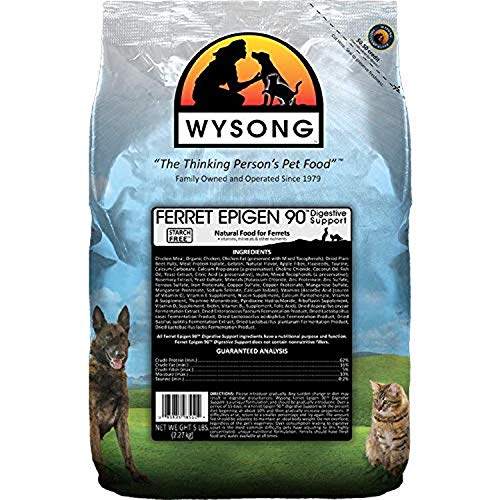
The best pellets for a ferret are not plant pellets at all. Ferrets are obligate carnivores, so the right choice is a dense, meat first dry kibble made for ferrets or, if needed, a high meat kitten kibble. Turn the bag over and read the first ingredients: you want named animal proteins like chicken, turkey, or lamb leading the list, roughly 32 to 40 percent or more animal protein, high fat near 18 to 22 percent, and very little carbohydrate. Marshall Premium, Wysong Epigen 90, and Oxbow Essentials are common starting points, but the label matters more than the brand.
Why It Matters
A ferret cannot digest grains, corn, peas, or other plant fillers the way a rabbit or guinea pig can, and the word pellet in small pet aisles usually means a plant based food that is dangerous for a ferret. Feeding a high carbohydrate diet is linked to serious problems such as insulinoma and bladder stones. Choosing a proper meat based kibble supports lean muscle, a glossy coat, and steady energy across the six to eight small meals a ferret eats each day. Because diet is a health decision, treat any new food as a change to review with an exotics vet who knows ferrets.
What to Look For
Read the label like a checklist. The first two or three ingredients should be named meats or meat meals, not corn, wheat, soy, rice, potato, or pea protein. Aim for about 32 to 40 percent or more animal protein and 18 to 22 percent fat, with carbohydrate kept as low as possible. Look for added taurine, which ferrets cannot make in adequate amounts and need for heart and eye health. Prefer small, crunchy kibble that suits a ferret’s tiny mouth, and skip formulas that lead with fish, add sugar, or rely on plant proteins to inflate the crude protein number.
How We Chose
We did not lab test these foods or feed them in a kennel. Instead we compared published guaranteed analysis panels and ingredient lists, weighed how each formula lines up with what ferret nutrition sources and exotics vets recommend, and factored in real world availability and how widely each is used in the ferret keeping community. A food earned a place only when its named meat content, protein and fat levels, and low carbohydrate profile held up on the label. Prices and formulas change, so always confirm the current panel on the bag before you buy.
What to Avoid
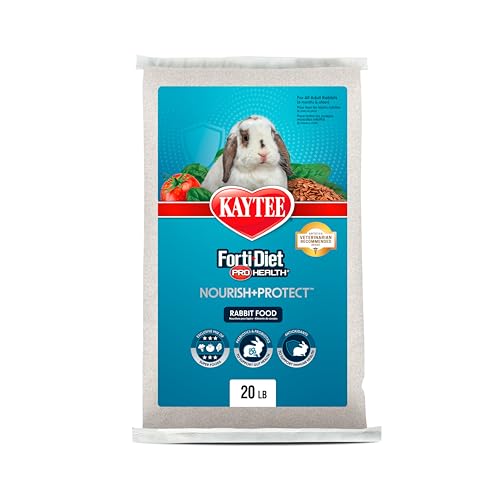
Avoid anything labeled a ferret pellet that is really a plant or alfalfa based pellet, since those belong to herbivores, not carnivores. Skip kibbles that list corn, wheat, soy, rice, potato, or peas high on the ingredient list, and be wary of fish first formulas, added sugars or syrups, and artificial preservatives like BHA and BHT. Do not assume a high crude protein number is good if it comes from plant proteins. When in doubt, or if your ferret has a health condition, ask an exotics vet before switching foods and transition slowly over seven to ten days.