Quick answer
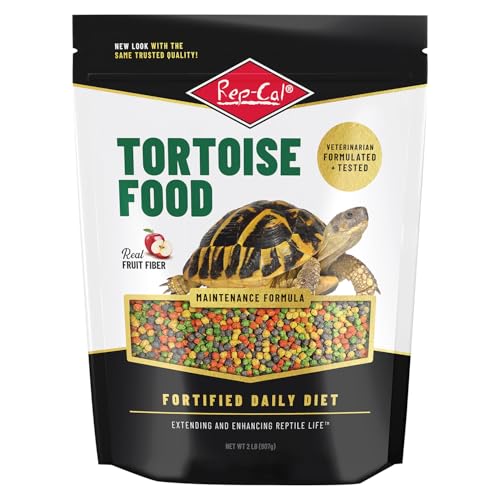
The best pellet for a Russian tortoise is a high-fiber, grass-based diet used sparingly, not as the main meal. A grass-based tortoise pellet such as the Mazuri Low Starch Tortoise Diet, soaked as directed, works well as a supplement. The real foundation of the diet is fresh weeds, leafy greens, and grass hay. Pellets are a convenience food and a top-up, never a replacement for a varied plant-based diet.
Why weeds and greens come first
Russian tortoises are grazing herbivores. In the wild they eat fibrous weeds, leafy greens, and flowers such as dandelion, plantain, clover, and mallow, along with dried grasses. This diet is high in fiber and low in protein and sugar, which is exactly what their gut and shell need. A tortoise fed mostly on pellets tends to grow too fast and can develop shell pyramiding and long-term organ strain. Aim for the bulk of daily food to be fresh weeds and greens, with grass hay always available for grazing. Treat any pellet as a small extra, not the plate. Variety matters too, so rotate several safe weeds and greens through the week rather than relying on one plant, which keeps the nutrient profile broad and closer to natural grazing.
What to look for
Choose pellets that mirror a grassland diet. Look for high crude fiber, ideally around 15 to 25 percent, moderate plant protein near 8 to 12 percent, and low starch and sugar. A calcium-to-phosphorus ratio of at least 2:1 supports healthy shell and bone. Grass and hay-based ingredients are far better than corn, soy, or fruit fillers. Pellets that soak into a soft, chewable texture are easier to eat and help with hydration. Skip anything loaded with dried fruit or bright colored pieces, since these add sugar with little benefit.
How we chose
We compared widely available tortoise pellets on fiber, protein, calcium balance, ingredient quality, and how closely each matches a natural grazing diet. We favored grass-based formulas with clear guaranteed analysis figures and simple ingredient lists. We did not lab-test these products ourselves. Our picks reflect published nutrition data and how each product fits a weeds-first feeding plan. Your own tortoise’s age, weight, and health should guide final choices, and a reptile veterinarian can confirm the right routine.
What to avoid
Avoid fruit as a staple, dog or cat food, and any high-protein pellet, since these can drive rapid growth, shell pyramiding, and kidney or liver problems. Avoid sugary and starchy foods for the same reason. Do not let pellets crowd out fresh weeds and greens. Also skip iceberg lettuce and other watery, low-nutrient foods that offer little fiber. Always provide a shallow water dish, a cuttlebone or calcium source, and proper UVB lighting so your tortoise can build a strong shell and healthy bones. If you are unsure whether your feeding routine is right for your tortoise’s age and weight, a reptile veterinarian can help you fine-tune the plan.