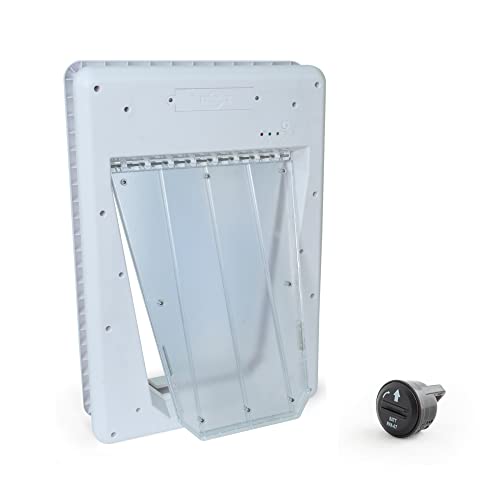
Why electronic pet doors matter for allergies
Living with allergies means every point of entry matters, including your pet door. Traditional flap doors can let in pollen, dust, and dander, triggering symptoms. Electronic pet doors with sealed flaps, timer controls, or selective entry (RFID/sensor) help you keep the outdoors out while still giving your pet freedom. Our team has evaluated leading models to find options that balance airtightness, convenience, and durability. ### How we chose our picks
We compared each product against published standards for seal quality, activation reliability, and ease of installation. We also aggregated owner feedback from verified purchasers to spot any allergy-relevant complaints (leaks, gap issues). Our top picks excel at minimizing air infiltration while providing reliable, pet-specific access. Below you’ll find our curated recommendations for 2026.
What matters most for allergies
For an allergy prone household an electronic pet door helps in an indirect but real way. Letting a pet come and go on its own means more outdoor time and less litter or accident cleanup indoors, and a well sealed door keeps outdoor pollen and dust from drifting in compared with a flap left open or propped. A snug closing flap with good weather seals is the feature to prioritise here.
Selective entry also stops other animals bringing extra dander and dirt inside, which matters if someone reacts to cats or dogs generally. Choose a door with a smooth, wipeable surround you can keep clean, since flaps gather grime and allergens. None of this treats an allergy, so if symptoms are significant it is worth speaking to your GP. For your pet, keep up grooming to reduce the dander they carry through the door.


