Quick answer
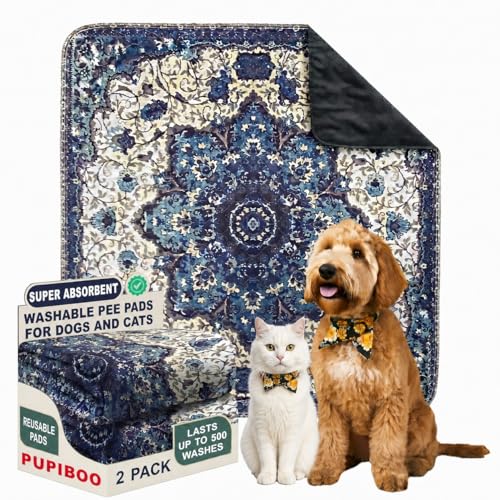
Washable pee pads are absorbent, machine washable pads you reuse for puppy toilet training, senior or incontinent dogs, crate and playpen lining, travel, and long day coverage. A good one has three parts: a top layer that wicks moisture away from the surface, an absorbent core, and a waterproof, non slip backing that stops leaks and keeps the pad from sliding. Over time they cost less and create far less waste than disposables, as long as you are willing to wash them promptly.
Washable vs disposable pee pads
Disposables are convenient for short trips or a one off mess, but you throw them away every day and the cost and waste add up fast. Washable pads flip that math. You pay more up front, then reuse the same pads for months, which is cheaper and greener for ongoing house training or senior care. The trade off is laundry. You have to rinse and wash soiled pads quickly, because a pad left wet too long will start to smell and stain. If you will not keep up with washing, disposables may suit you better.
What to look for
Start with real absorbency, since a thin pad overflows during a big accident. Look for a multi layer core rated for the volume your dog produces. The waterproof backing is what protects your floor, so it must be genuinely leak proof, and a non slip grip keeps the pad from bunching up under a digging puppy. Match the size to your dog and the area you want covered, and check how many washes the maker rates the pad for and how easy it is to launder and dry. Quick drying matters too, since a pad that dries fast is easier to keep in rotation. Some pads add a mild pattern to hide stains between washes, which is a nice bonus rather than a must have.
How we chose
We compared reusable pads across the factors that matter most: absorbency and layer count, whether the backing is fully waterproof and non slip, the size range on offer, and the wash durability the makers claim. We read owner feedback for the two failure points people complain about most, leaking and sliding, and favored pads with a proven leak proof base and a grippy bottom. We also picked across sizes and budgets so there is an option for puppies, large dogs, crates, and value shoppers. None of this replaces your own judgement, so read the current specs and reviews before you buy.
What to avoid
Avoid pads with a slick backing that slides on hard floors, since a moving pad lets urine escape around the edge. Skip anything too thin for your dog, and never use fabric softener or dryer sheets, which coat the fibers and kill absorbency. Remember these pads are for urine, so scoop solids first, and no pad replaces real house training and regular potty breaks. If a dog suddenly becomes incontinent, see a vet to rule out a urinary infection or another cause.