Quick Answer
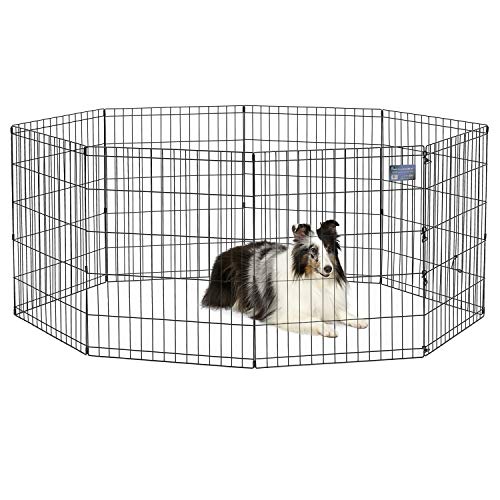
The best playpen for a degu is a tall, metal-panel pen with sides at least 24 to 30 inches high, narrow bar spacing under one inch, and a solid or protected floor. Degus are agile climbers and jumpers, so short or soft-plastic pens do not hold them. Our overall favourite is the MidWest Homes 8-panel pen for its chew-proof metal panels and spacious layout, while a 30-inch double-lock fabric-floor pen suits owners who want extra height and easy cleanup. Whatever you choose, a playpen is for supervised play only, never unattended housing.
Why It Matters
Degus are busy, social rodents that climb, leap, and gnaw almost constantly, and they need daily time outside their main cage to burn energy and stay mentally healthy. A pen that is too short, too flimsy, or full of gaps turns exercise time into an escape attempt, and a loose degu can chew wires, slip behind furniture, or get injured in seconds. Because degus are usually kept in groups, the pen also has to give two or more animals room to move without crowding. Getting the enclosure right protects your pets and lets them play the way their bodies are built to.
What to Look For
Prioritise height first: aim for 24 to 30 inches so a determined degu cannot leap or scramble over the top. Choose metal wire or solid metal panels rather than soft plastic, since degus chew through weak materials quickly and may swallow fragments. Check that bar spacing stays under one inch so no one squeezes out, and look for a solid floor or a washable base that protects paws and stops digging escapes. Secure latches or zippered, double-lock doors matter because degus are clever with simple catches. Finally, pick a size that fits your group, and add safe wood chews and a hide or two so the pen feels enriching rather than bare.
How We Chose
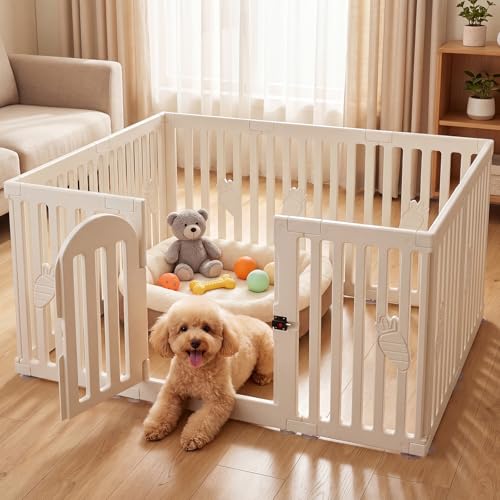
We built this list by studying published product specifications, owner reviews, and general small-animal husbandry guidance, then matching each pen against what active degus actually need: secure height, chew-resistant construction, safe spacing, and a manageable footprint for a home. We did not lab-test these pens on live animals, and we are not a veterinary service, so treat our picks as an editorial starting point rather than a guarantee. We favoured designs that combine real height with metal panels and flagged where a pen leans short or uses chewable plastic. Prices, stock, and exact dimensions change often, so always confirm the current listing before you buy.
What to Avoid
Skip short pens under about 20 inches, thin soft-plastic walls, and any design with wide bars or gaps a slim degu can wriggle through. Avoid leaving your degus unattended in a playpen, even a good one, because constant chewing means they can breach materials or find a weak seam over time. Keep the pen away from drafts, direct sun, and radiators, since degus are sensitive to temperature swings. Do not use the pen as a substitute for a proper cage, and remove any painted, treated, or unknown wood that could be toxic if gnawed. If a degu shows signs of stress, injury, or illness during play, stop and contact an exotics vet who treats small rodents.