The Quick Answer
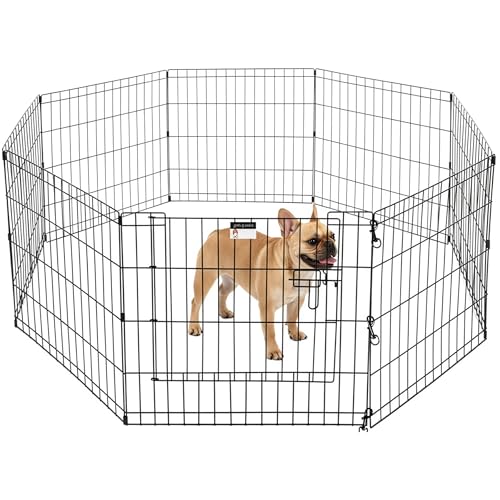
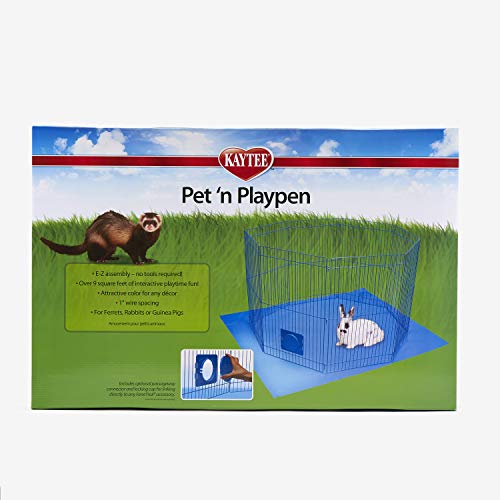
The best playpen for a fancy mouse is a small, fully enclosed enclosure with bar spacing of 1/4 inch or less, smooth high walls or a secure mesh lid, and a solid base to contain bedding. Mice are tiny escape artists that squeeze through gaps and climb wire like a ladder, so a compact, escape-proof setup beats a large open pen every time. Our top pick for most owners is a narrow-spacing wire pen such as a Prevue or Yaheetech panel set used with a covered top and constant supervision.
Why It Matters
A fancy mouse weighs less than an ounce and can slip through a gap barely wider than a pencil. An adult mouse can flatten its body through openings around 1/4 inch, and babies can vanish through even smaller ones. On top of that, mice are prey animals that startle easily, so an open, unfamiliar space can send a frightened mouse bolting up the bars and over the top in seconds. Choosing the wrong pen does not just risk a lost pet in your walls, it exposes a fragile animal to household hazards, drafts, and predators like cats and dogs. Getting the enclosure right protects both your mouse and your peace of mind.
What to Look For
Prioritize bar spacing above all else: 1/4 inch or less is the safe ceiling for adult fancy mice, and wider pens sold for guinea pigs, rabbits, or puppies are not safe no matter how sturdy they look. Look for smooth, tall walls or plan to add a secure mesh lid, because mice climb horizontal bars effortlessly. A solid, deep base keeps bedding in and small feet off cold flooring. Metal wire resists chewing far better than plastic, and you should avoid flaking paint or coatings. Finally, choose a size you can fully supervise and mouse-proof, not the biggest pen on the shelf. Add hides and tunnels so a nervous mouse has somewhere to feel secure.
How We Chose
We researched widely available small-animal and panel playpens and filtered them against the realities of mouse behavior rather than marketing claims. We favored products with genuinely narrow bar spacing, honest size specifications, chew-resistant metal construction, and bases or trays that make cleanup practical. We read owner feedback for recurring escape or safety complaints, and we flagged pens whose spacing suits larger animals but not tiny mice. We do not physically test these products in a lab, so treat our picks as researched editorial recommendations, and always verify current spacing and dimensions on the product page before buying.
What to Avoid
Avoid any pen with bar spacing wider than 1/4 inch, folding fabric or mesh playpens a mouse can chew through, and tall open-topped pens with climbable walls and no lid. Skip pens with sharp bottom edges, loose parts, or coatings that flake. Never leave a mouse in a playpen unsupervised, never use one as permanent housing, and never place heavy objects on top as a makeshift lid. If your mouse shows signs of stress, breathing trouble, or injury, stop the session and consult an exotics vet, since the guidance here is general and not a substitute for veterinary care.