Quick Answer
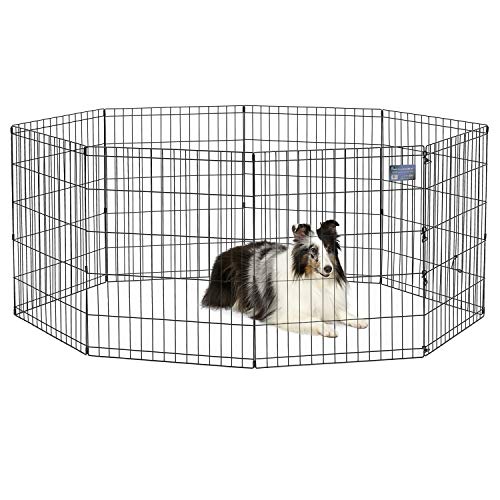
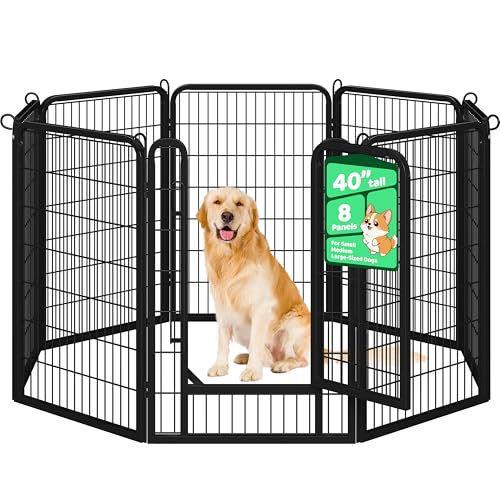
The best playpen for a Hermann’s tortoise is a secure, low, solid-walled pen you can place outdoors on grass in warm weather so the tortoise grazes and basks in real sunlight, then bring indoors when it turns cold. For an adult, aim for at least 16 square feet of floor space, walls around 18 inches high with a bottom edge that can be sunk into the soil, and both a shaded corner and a hide. Metal exercise pens with narrow bar spacing and heavy-duty UV-resistant plastic pens both work well when anchored with ground stakes.
Why It Matters
Hermann’s tortoises are Mediterranean grazers that thrive on natural sunlight, which supports vitamin D3 production and shell health in ways an indoor bulb only partly matches. A good outdoor pen lets them forage on weeds and grasses, walk long distances, and self-regulate temperature by moving between sun and shade. The pen has to solve the two things tortoises do best: digging under a wall and climbing into corners, so escape-proofing is not optional. This is general husbandry guidance, not veterinary advice, and if you have any concern about your tortoise’s health you should speak with an exotics or reptile vet.
What to Look For
Prioritise solid or narrow-gap low walls rather than tall open mesh, because a Hermann’s tortoise reads a corner as a ladder and a gap as a door. Look for a design whose bottom edge can be buried a few inches into the ground, or pair the pen with a hard base so tunnelling is stopped. You want enough footprint for real walking, a coating or plastic that shrugs off sun and rain, and easy access for cleaning. Add a hide, a shaded half, and a shallow water dish inside whatever pen you choose.
How We Chose
We focused on pens whose height, bar spacing, and materials genuinely suit a ground-dwelling grazer rather than a dog, since most exercise pens are marketed for puppies. We favoured narrow gaps under two inches, walls that can be staked down, rust-resistant metal or UV-stable plastic, and sizes that give an adult room to roam. We did not physically test these products; our picks are editorial judgements based on published specifications, tortoise-keeping best practice, and how each design handles digging, climbing, shade, and predator risk.
What to Avoid
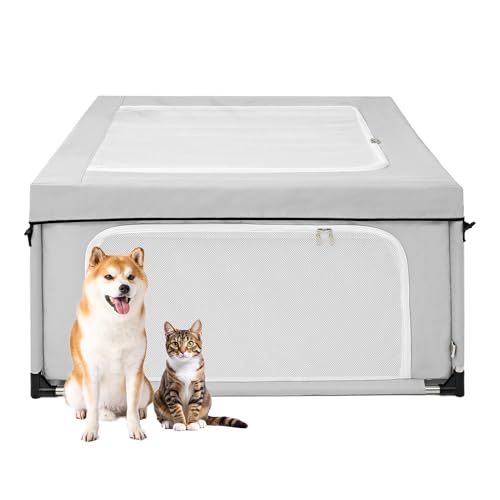
Avoid fabric or fine-mesh pens, which tortoises chew and claw through and which offer no dig protection. Skip anything with wide vertical bars a foot could catch in, sharp edges, or a slick floor with no substrate. Never leave a tortoise in an open outdoor pen unsupervised where it could overheat in full sun with no shade, chill in a cold snap, or be reached by dogs, foxes, rats, or birds. Do not treat any pen as fully predator-proof unless it has a secure, weighted top, and always bring the tortoise indoors overnight or in poor weather.