Quick answer
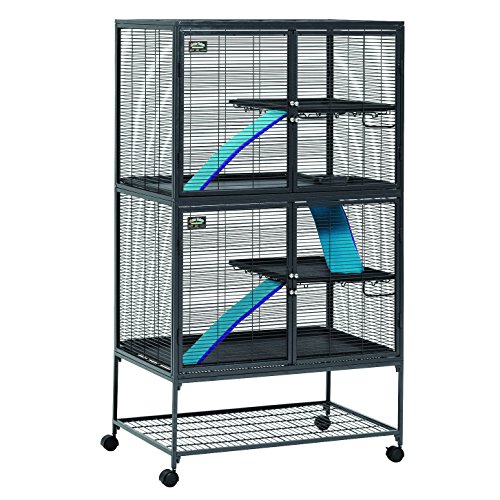
The safest supervised floor pen for most Syrian hamsters is a tall, smooth, solid-walled playpen used only while you watch. Our favourite for secure out-of-cage time is the Prevue Pet Products Cat Home, with the Ferplast Cage for Rabbits Guinea Pigs a strong roomy option and the Critter Nation by MidWest Homes for build quality. A playpen is a supervised extra, never a substitute for a large main enclosure with deep bedding. Get the cage right first, then use a pen for short, calm sessions of extra room.
Why safe supervised floor time matters
Syrian hamsters are curious and benefit from short, calm sessions of extra space to explore, sniff, and stretch their legs. Floor time can add enrichment, but it only helps welfare when it is safe. Hamsters are fast, they are superb escape artists, and they can climb, jump, and squeeze through surprisingly small gaps. Because of this, a hamster must never be left alone in a playpen. An unsupervised hamster will find a way out or climb and fall, and a fall from height can cause serious injury. Stay within arm’s reach the whole time, and end the session the moment your hamster starts testing the walls. A calm hamster explores the floor and then settles; a stressed one paces the edges and tries to climb, which is your cue to return it home.
What to look for
Prioritise tall, smooth, solid walls the hamster cannot grip, climb, or slip through. Panels should be at least 12 to 16 inches high with no wide bars or gaps at the corners. A pen that sits flat on the floor with no lip to wedge under is safer. Set it on an easy-to-clean surface, and add a familiar hide plus a couple of items from the cage so a nervous hamster feels secure. Pens with a solid or fabric floor stop toes catching. The Kaytee My First Home Deluxe and Living World enclosures can double as secure spaces when supervised.
How we chose
We compared wall height, wall smoothness, gap size, floor safety, and how easy each pen is to clean, then weighted them for how well they contain a determined Syrian. We favoured tall solid panels over short wire that a hamster can climb, and we looked for stable bases that will not tip. We did not rank any product on looks alone, and we treated escape resistance and supervision as non-negotiable.
What to avoid
Avoid low pens, wide bars, and any gap a hamster can push through, since these are the most common escape routes. Skip clear plastic exercise balls, which are widely criticised as stressful and unsafe because the hamster cannot see clearly, gets little airflow, and can crash into furniture. Do not use a playpen as a replacement for a proper cage, and never walk away mid-session. If your hamster seems frozen or frantic, end the session and return it to its home.