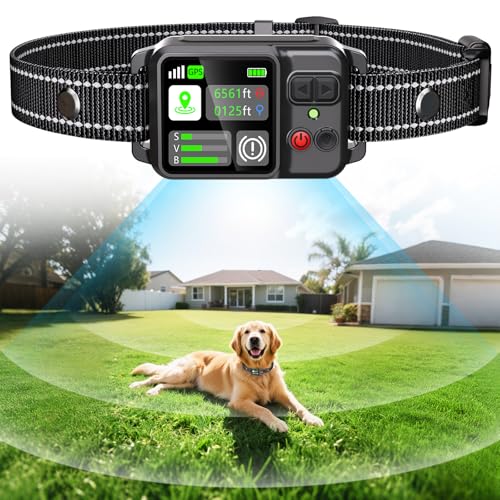
For pet owners dealing with allergies, finding a portable invisible fence that minimizes reactions is crucial. Our team evaluated leading models on material safety, ease of cleaning, and containment reliability. We looked for fences with hypoallergenic collars, adjustable stimulation levels to avoid skin irritation, and wireless designs that reduce dust accumulation. In our evaluation we found that not all fences are created equal-some materials and designs are far better for sensitive pets. We compared each product against published standards for allergen-friendly materials and user feedback on skin reactions. Our picks prioritize both efficacy in keeping your dog safe and comfort for allergy-prone pups.
What matters most for allergies
An invisible fence keeps a dog in a set area using a boundary signal and a collar receiver, so for an allergy-prone dog the collar contact points are the part to watch. Prongs and the strap sit against the neck for long periods, so choose a soft, breathable band you can keep clean and reposition slightly to avoid constant pressure on one spot.
Trapped moisture, rubbing and dirt under a worn collar can irritate sensitive skin, so wipe the contact area and check the neck daily. Use the gentlest correction setting that works and limit wear time where you can. This is general guidance, not medical advice. If your dog develops redness, sores or hair loss where the receiver sits, remove it and see your vet, since pressure sores and contact reactions on a sensitive dog can become uncomfortable quickly.