๐Ÿ† Complete Buyer's Guide ยท Dog Food

What to Buy: Best Puppy Food for Boston Terriers in 2026

Find the best puppy food for Boston Terriers in 2026. Our guide highlights small breed formulas with AAFCO growth statements and kibble sized for flat muzzles, like Royal Canin's breed-specific recipe.

Some links below are affiliate links. If you buy through them we may earn a small commission at no extra cost to you. Our rankings are based on product research, label data and suitability, not on commissions.

๐ŸพNew to the breed? Read our full Boston Terrier breed guide for temperament, care, health and lifespan. Royal Canin Boston Terrier Puppy Dry Dog Food โ˜… Top Pick: Royal Canin Boston Terrier Puppy Dry Dog Food Check Price on Amazon →
12-25 lb
Typical adult Boston Terrier weight
27-32%
Common protein range, dry matter
3-4 meals
Daily meals for a young small-breed puppy
7-10 days
Recommended diet transition window
โšก Key takeaways
  • Best Overall: Royal Canin Boston Terrier Puppy Dry Dog Food. This is a breed-specific small-breed puppy formula with kibble shaped for a Boston Terrier.
  • Best for Sensitive Stomach: Hill's Science Diet Puppy Small Paws Sensitive Stomach & Skin. Boston Terriers are prone to gas and a touchy gut, and this small-bite formula is built ar.
  • Best Budget: Diamond Naturals Small Breed Puppy. A small-breed puppy recipe with pasture-raised lamb as the first ingredient, smaller kibbl.
  • Best Grain-Inclusive: Purina Pro Plan Puppy Small Breed Chicken & Rice Formula. A grain-inclusive small-breed puppy formula with real chicken first, DHA from fish oil for.
  • Best for Puppies: Wellness Complete Health Small Breed Puppy. A grain-inclusive small-breed puppy recipe with deboned chicken first, plus omega fatty ac.
At a Glance

Quick Comparison

Quick answer

For most Boston Terrier puppies, our editorial team leans toward Royal Canin Boston Terrier Puppy Dry Dog Food as the top pick, because it is a small-breed growth formula with kibble shaped for a brachycephalic, short muzzle and an AAFCO complete and balanced statement for growth. If your puppy has a touchy stomach, Hill’s Science Diet Puppy Small Paws Sensitive Stomach & Skin fits better. On a tighter budget, Diamond Naturals Small Breed Puppy covers the basics well, while Purina Pro Plan Puppy Small Breed Chicken & Rice suits owners who want a widely available grain-inclusive formula, and Wellness Complete Health Small Breed Puppy is a solid grain-inclusive alternative with omega support.

What to consider for Puppy Food For Boston Terrier

Boston Terriers are a small breed that usually matures around 12 to 25 pounds, so they need a small-breed puppy formula, not an all-breed or large-breed recipe. Because they are brachycephalic (flat-faced), a short muzzle can make large or oddly shaped kibble hard to pick up and chew, so smaller kibble matters for this breed specifically. Bostons are also prone to a sensitive digestive system and gas, so steady, easily digested ingredients and a careful transition help. Small-breed puppies have fast metabolisms and small stomachs, which means they often eat calorie-dense food in several small meals a day. Boston Terriers can also be prone to certain eye, knee (patellar luxation), and breathing issues, so keeping a puppy lean to avoid extra weight is sensible. For any specific health concern, allergy, or before adding a supplement, consult your veterinarian.

What to look for in a dog food

Look for an AAFCO statement on the bag confirming the food is complete and balanced for growth or all life stages, since a puppy needs growth-appropriate nutrition. A named meat as the first ingredient (such as chicken, lamb, or salmon) is preferable to a vague “meat” entry. As a practical guide, many small-breed puppy foods land around 27 to 32 percent protein and 14 to 20 percent fat on a dry-matter basis, with calorie density often near 380 to 450 kcal per cup, though your puppy’s needs vary by activity and growth stage. Because Boston Terriers are a small breed, choose a small-breed puppy formula with smaller kibble rather than a large-breed recipe. Omega-3 fatty acids (often from fish oil) and DHA support normal puppy development and skin and coat, which can be a plus for this breed. These are general guidelines, not medical rules, so ask your veterinarian about the right targets for your individual puppy.

How we chose these picks

  • Limited the field to small-breed puppy or all-life-stages formulas appropriate for a Boston Terrier’s adult size
  • Required a clear AAFCO complete and balanced statement for growth or all life stages on widely sold versions
  • Favored recipes that list a named meat (chicken, lamb, salmon) as the first ingredient
  • Looked for smaller kibble shapes that suit a short, flat-faced muzzle
  • Preferred grain-inclusive recipes as a default given the ongoing FDA DCM investigation, unless a vet advises otherwise
  • Checked manufacturers for transparency, established track records, and publicly listed recall history
  • Compared using publicly available product information and established nutrition guidance, not personal vet endorsements or hands-on feeding-data reviews
  • Never ranked a product higher just because it pays a commission

What to avoid

  • Foods that list only an unnamed “meat meal” as the protein, with no named animal source
  • Defaulting to grain-free or legume-heavy (pea, lentil, chickpea) recipes; the FDA investigation into a potential link between certain diets and canine dilated cardiomyopathy (DCM) is ongoing, and a grain-inclusive recipe is the safer default unless your veterinarian advises otherwise
  • Feeding an all-life-stages food formulated mainly for large breeds to a small-breed puppy, since the nutrient balance is not ideal
  • Abrupt diet switches; transition over about 7 to 10 days to reduce stomach upset, which Bostons are prone to

For more help choosing, browse our dog guides, our dog food reviews, and our dog nutrition articles.
Why this matters

Boston Terriers are a small, brachycephalic breed, so the most breed-relevant choice is a small-breed puppy formula with an AAFCO growth statement and smaller kibble that a short, flat-faced muzzle can pick up easily, rather than any large-breed or all-breed recipe.

The Options

Types Explained

Breed-specific small-breed puppy kibble

Formulas designed around a Boston Terrier's size, muzzle shape, and coat, with kibble engineered for short-faced dogs to grasp.

Best for: Owners who want a convenient, breed-tailored option and do not mind a higher price.

Sensitive stomach and skin puppy formula

Small-bite recipes built around easy digestion and skin support, often with limited or gentle ingredient panels.

Best for: Bostons with gas, loose stool, or itchy skin, after ruling out medical causes with a vet.

Grain-inclusive small-breed puppy food

Standard small-breed puppy recipes that include grains such as rice or oats, the safer default given the ongoing FDA DCM investigation.

Best for: Most healthy Boston puppies whose owners want a mainstream, well-studied diet.

Budget small-breed puppy food

Value-priced small-breed growth recipes that still carry an AAFCO statement and a named meat, at a lower cost per pound.

Best for: Owners feeding on a tighter budget who still want complete and balanced growth nutrition.
The Rankings

Top 5 Picks

#1
Royal Canin Boston Terrier Puppy Dry Dog Food
Best Overall

Royal Canin Boston Terrier Puppy Dry Dog Food

View on Amazon

This is a breed-specific small-breed puppy formula with kibble shaped for a Boston Terrier's short, flat-faced muzzle, plus an AAFCO statement for growth. It targets the breed's known traits, including coat and digestive support, and is widely available. The main trade-off is price: it costs more per pound than generic small-breed puppy foods, and the breed-specific kibble is a convenience feature rather than a strict nutritional necessity.

#2
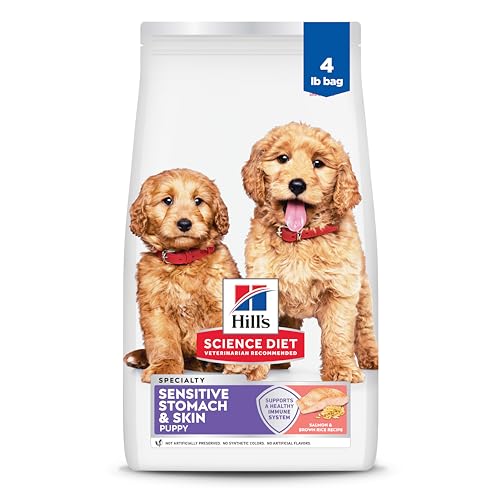
Hill's Science Diet Puppy Small Paws Sensitive Stomach & Skin
Best for Sensitive Stomach

Hill's Science Diet Puppy Small Paws Sensitive Stomach & Skin

View on Amazon

Boston Terriers are prone to gas and a touchy gut, and this small-bite formula is built around easy digestion with added omega-6 and vitamin E for skin and coat. It carries an AAFCO growth statement and uses a named meat. The trade-off is that it is a grain-inclusive sensitive formula, so dogs with a confirmed specific allergy may still need a different protein; ask your veterinarian if signs persist.

#3
Diamond Naturals Small Breed Puppy
Best Budget

Diamond Naturals Small Breed Puppy

View on Amazon

A small-breed puppy recipe with pasture-raised lamb as the first ingredient, smaller kibble, and added probiotics, at a noticeably lower price per pound than premium brands. It carries an AAFCO growth statement. The trade-off is that, like many value brands, formula sourcing can vary and customer service responsiveness gets mixed feedback, so check the current bag's ingredient panel and the manufacturer's recall history before buying.

#4
Purina Pro Plan Puppy Small Breed Chicken & Rice Formula
Best Grain-Inclusive

Purina Pro Plan Puppy Small Breed Chicken & Rice Formula

View on Amazon

A grain-inclusive small-breed puppy formula with real chicken first, DHA from fish oil for development, and small kibble, backed by Purina's research and quality testing. It carries an AAFCO growth statement and is widely stocked. The trade-off is that it contains chicken by-product meal and corn, which some owners prefer to avoid, even though these are nutritionally valid ingredients in a complete and balanced diet.

#5
Wellness Complete Health Small Breed Puppy
Best for Puppies

Wellness Complete Health Small Breed Puppy

View on Amazon

A grain-inclusive small-breed puppy recipe with deboned chicken first, plus omega fatty acids, DHA, and antioxidants aimed at healthy growth and a small kibble size that suits short muzzles. It carries an AAFCO growth statement. The trade-off is that it sits at a premium price point, and some picky Boston puppies take time to accept the kibble texture, so a gradual transition helps.

Before You Buy

Key Buying Factors

01

AAFCO growth statement

Confirm the bag says the food is complete and balanced for growth or all life stages, so your Boston Terrier puppy gets the nutrition a growing dog needs rather than an adult maintenance formula.

02

Named meat first

Choose a recipe led by a named animal protein such as chicken, lamb, or salmon, rather than a vague unnamed meat meal, so you know the primary protein source.

03

Small-breed kibble size

Bostons are small and flat-faced, so smaller kibble is easier for a short muzzle to pick up and chew. A small-breed puppy formula is a better match than an all-breed or large-breed recipe.

04

Digestibility and gut support

This breed is prone to gas and sensitivity, so look for easily digested ingredients, and consider formulas with probiotics or labeled for sensitive stomachs. Transition gradually and consult your vet if upset continues.

05

Omega-3 and DHA

Fish-oil omega-3s and DHA support normal puppy development, skin, and coat, which can be a helpful plus for a breed that owners watch for skin comfort. These support general wellness and are not a treatment.

Living With It

Care, Cost and Maintenance

Split meals across the day

Young small-breed puppies have small stomachs and fast metabolisms, so divide the daily amount into 3 to 4 small meals to support steady energy and reduce the chance of low blood sugar. Follow the bag's chart by weight and adjust with your vet's guidance.

Transition foods slowly

Boston Terriers are prone to digestive upset, so switch brands or formulas over about 7 to 10 days, mixing increasing amounts of the new food into the old. If loose stool or vomiting continues past the transition, slow down and contact your veterinarian.

Keep your puppy lean

Extra weight adds strain to a flat-faced breed that can have breathing and joint sensitivities. Measure portions instead of free-feeding, watch body condition, and ask your vet to confirm a healthy growth curve at checkups.

Pro tip

Measure each meal with a standard cup and split the daily amount into 3 to 4 small feedings, which suits a small puppy's stomach and helps keep a flat-faced breed lean. Confirm the exact amount with your veterinarian.

Frequently asked questions

How much should I feed a Boston Terrier puppy?
Start with the feeding chart printed on your chosen food's bag, which lists amounts by your puppy's current weight and age, then adjust based on body condition. Young small-breed puppies usually eat several small meals a day rather than one or two large ones. Because Boston Terriers mature small, around 12 to 25 pounds, do not overfeed; measure portions with a standard cup instead of free-feeding. Growth needs change quickly in the first months, so reweigh regularly. For a tailored amount and to confirm your puppy is on a healthy growth curve, check with your veterinarian at routine visits.
How many calories does a Boston Terrier puppy need each day?
Calorie needs depend on current weight, age, and activity, so there is no single number for every puppy. Many small-breed puppy foods provide roughly 380 to 450 kcal per cup, and the bag's feeding chart translates that into daily portions by weight. A growing Boston Terrier puppy typically needs more calories per pound than an adult of the same breed because growth is energy-intensive. Avoid guessing high, since extra weight stresses a flat-faced breed. The most reliable approach is to follow the label, monitor body condition, and ask your veterinarian to calculate a target if you are unsure or your puppy is growing too fast or slow.
Is grain-free food safe for a Boston Terrier puppy?
Our editorial team suggests a grain-inclusive small-breed puppy formula as the safer default. The FDA has an ongoing investigation into a potential link between certain diets, often grain-free and legume-heavy ones, and canine dilated cardiomyopathy (DCM). That investigation has not established a definitive cause, but grain-inclusive recipes remain the cautious choice for most healthy puppies. Grains like rice and oats are digestible and provide useful nutrients. If your Boston has a diagnosed grain allergy or a medical reason to avoid grains, that is a different situation. Talk with your veterinarian before choosing a grain-free diet, especially for a growing puppy.
Do Boston Terrier puppies really need puppy-specific food?
Yes, a growing puppy should eat a food labeled complete and balanced for growth or all life stages, not an adult maintenance formula. Puppy formulas provide the protein, fat, calories, and nutrients like calcium and DHA that support healthy development. For a Boston Terrier, a small-breed puppy formula is the best match because the kibble size suits a short, flat-faced muzzle and the nutrient density fits a small, fast-growing dog. Most Bostons can transition to adult food once they near maturity, often around 9 to 12 months, but timing varies. Confirm the right switch point and amounts with your veterinarian during regular checkups.
What if my Boston Terrier puppy is becoming overweight?
Excess weight is a real concern for a flat-faced breed because it can worsen breathing effort and add strain to small joints. First, measure every meal with a standard cup and stop free-feeding and excess treats. Compare your puppy's body condition to a vet-provided chart; you should be able to feel ribs without pressing hard. Do not crash-diet a growing puppy, since growth still requires adequate nutrition. Instead, adjust portions modestly and keep activity gentle and age-appropriate. Because over- and underfeeding both carry risks for a developing dog, ask your veterinarian to set a target weight and feeding plan rather than guessing.
Can a senior Boston Terrier eat this puppy food?
No, these picks are formulated for growth, and a senior dog generally needs an adult or senior maintenance formula instead. Puppy foods are more calorie- and nutrient-dense to fuel growth, which is not appropriate for an older, less active dog and can contribute to weight gain. Senior Bostons may also benefit from formulas that account for joint comfort, weight control, or specific health needs. If you are caring for an older Boston Terrier, choose a complete and balanced adult or senior food and transition gradually. For seniors with medical conditions such as kidney, heart, or dental issues, ask your veterinarian which diet is appropriate before switching.
Are these foods suitable for a Boston Terrier's size and breed?
Yes, every pick on this list is a small-breed puppy or all-life-stages formula chosen to match a Boston Terrier's adult size, which usually falls around 12 to 25 pounds. We favored smaller kibble shapes because a brachycephalic, short-muzzled breed can struggle with large pieces. One option is breed-specific, while the others are general small-breed puppy recipes that suit Bostons well. Avoid large-breed puppy foods, which are balanced differently for big dogs. If your puppy has an unusual size, a known health condition, or special dietary needs, confirm the best fit with your veterinarian rather than relying on size labeling alone.
Is dry or wet food better for a Boston Terrier puppy?
Both can work if the food is complete and balanced for growth. Dry kibble is convenient, supports dental surface contact, and is easy to measure, which is why our picks are dry formulas; choose a small-bite version for a short muzzle. Wet food has higher moisture and can tempt picky eaters or help puppies that struggle with dry pieces, but it spoils faster and costs more per calorie. Some owners mix a little wet into dry for palatability. Whichever you choose, watch portions, since wet food calories add up quickly. If your puppy refuses to eat or has dental concerns, ask your veterinarian for guidance.
My Boston Terrier puppy is gassy and has a sensitive stomach. What can help?
Boston Terriers are known for flatulence and a sometimes-touchy gut, so consistency matters. Feed a complete and balanced small-breed puppy formula, ideally one labeled for sensitive stomachs or containing probiotics, and avoid frequent food changes. When you do switch, transition over 7 to 10 days. Keep treats and table scraps minimal, since rich extras worsen gas. Feeding smaller, more frequent meals and slowing fast eaters with a slow-feed bowl can also reduce swallowed air. Persistent vomiting, diarrhea, poor appetite, or weight loss are not normal, so contact your veterinarian to rule out food intolerance, parasites, or other medical causes before assuming it is just the breed.
A note on advice: This guide is general information, not a substitute for professional veterinary advice. Talk to your vet before changing your dog's diet or care routine, especially if your dog has allergies, kidney disease, pancreatitis, obesity, heart disease or any other medical condition.
Transparency

How we made this guide

How we chose. We compared the options on the factors that matter most for Dog Food, using manufacturer specifications, aggregated verified owner reviews and editorial comparison. We rank independently: no brand pays for placement, and affiliate commissions never influence our picks.

How it was written. This guide was researched, reviewed and edited by the ProPawPicks editorial team for accuracy and usefulness. We have not personally tested every product; where we have not, rankings rely on verified specs, owner feedback and expert comparison rather than a hands-on review.

Affiliate disclosure. ProPawPicks is reader-supported. If you buy through links on our site, we may earn a commission at no extra cost to you. See our affiliate disclosure.

Keep Reading

More Dog Food guides

Interactive Dog Toys for Boredom: Our ShortlistView picks โ†’Interactive Dog Toys, ComparedView picks โ†’Invisible Dog Fence for Large Dogs: 5 Best Picks (2026)View picks โ†’Invisible Dog Fence under 50 That Hold UpView picks โ†’Which Invisible Dog Fence Is Best? 5 Top Picks (2026)View picks โ†’The Best Invisible Fence for Dog WirelessView picks โ†’

Sources and further reading

Some links below are affiliate links. If you buy through them we may earn a small commission at no extra cost to you. Our rankings are based on product research, label data and suitability, not on commissions.