๐Ÿ† Complete Buyer's Guide ยท Dog Food

Reliable Puppy Food for Joint Support

Large breed puppies need precise calcium levels. Compare 5 top-rated formulas like Purina Pro Plan Large Breed to prevent joint issues.

Some links below are affiliate links. If you buy through them we may earn a small commission at no extra cost to you. Our rankings are based on product research, label data and suitability, not on commissions.

Purina Pro Plan Large Breed Puppy Chicken & Rice Formula Dry Dog Food โ˜… Top Pick: Purina Pro Plan Large Breed Puppy Chicken & Rice Foโ€ฆ Check Price on Amazon →
400-800 mg/kg
Recommended glucosamine content
0.8-1.2%
Ideal calcium level for large breed puppies
22-32%
Optimal protein range (dry matter)
300-400 kcal/cup
Typical calorie density for puppy food
โšก Key takeaways
  • Best Overall: Purina Pro Plan Large Breed Puppy Chicken & Rice Formula Dry Dog Food. Formulated for large breed puppies with controlled calcium and phosphorus.
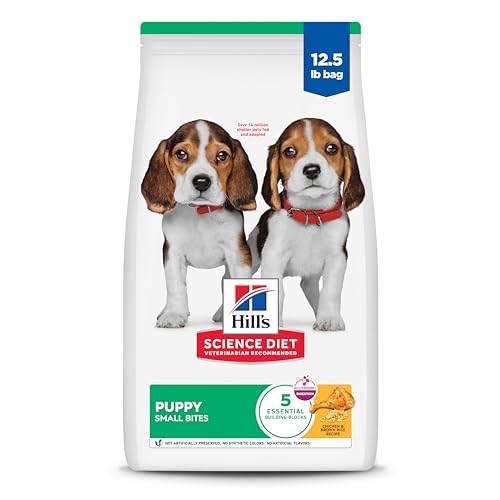
  • Best for Sensitive Stomach: Hill's Science Diet Puppy Small Bites Chicken Meal & Barley Recipe. Easy-to-digest small kibble with barley and brown rice.
  • Best Budget: Diamond Naturals Large Breed Puppy Lamb Meal & Rice Formula. Affordable yet includes glucosamine and chondroitin plus probiotics for digestion.
  • Best for Puppies: Blue Buffalo Life Protection Formula Puppy Chicken & Brown Rice Recipe. Features LifeSource Bits with antioxidants, vitamins, and minerals.
  • Best Grain-Inclusive: Wellness Complete Health Puppy Deboned Chicken & Oatmeal Recipe. Grain-inclusive with oatmeal and barley for fiber.
At a Glance

Quick Comparison

Quick answer

Our top pick is Purina Pro Plan Puppy Large Breed Chicken & Rice Formula. It provides controlled calcium and phosphorus for large-bone development plus glucosamine and EPA from fish oil. For smaller breeds or sensitive stomachs, Hill’s Science Diet Puppy Small Bites offers balanced joint support in a gentle recipe. If budget is a concern, Diamond Naturals Large Breed Puppy delivers quality ingredients at a lower price point.

What to consider for Puppy Food For Joint Support

Puppies grow rapidly, and their joints are especially vulnerable during the first year. Large and giant breed puppies need carefully controlled calcium and phosphorus levels to prevent skeletal abnormalities. Look for added glucosamine and chondroitin, which are building blocks for healthy cartilage. Omega-3 fatty acids from fish oil (EPA and DHA) help reduce inflammation and support joint mobility. Also consider the calorie density: overweight puppies put extra stress on developing joints. A food formulated for your puppy’s expected adult size (small, medium, large, or giant) is essential.

What to look for in a dog food

First, ensure the food meets AAFCO nutrient profiles for growth (puppy) or all life stages. The first ingredient should be a named meat source (e.g., chicken, lamb, salmon). Protein should be 22 to 32% dry matter, fat 10 to 20%, and calories around 300 to 400 kcal per cup for most puppies (adjust based on breed size). For large breeds, calcium should be 0.8 to 1.2% dry matter. Look for added glucosamine (target 400 to 800 mg/kg) and chondroitin (100 to 300 mg/kg). Omega-3 fatty acids from fish oil or flaxseed help with inflammation. Avoid artificial preservatives, colors, and flavors.

How we chose these picks

  • We evaluated products based on AAFCO compliance and life-stage appropriateness.
  • We prioritized formulas with named meat as the first ingredient and added joint-supporting nutrients.
  • We considered breed-size-specific formulations for proper calcium and calorie control.
  • We reviewed ingredient lists for quality protein sources and beneficial fats.
  • We cross-referenced with established veterinary nutrition guidelines from WSAVA.
  • We compared price per pound to ensure value across different budgets.
  • Never ranked a product higher just because it pays a commission.

What to avoid

  • Avoid foods with an unnamed “meat meal” as the sole protein source; always look for named meals like chicken meal or salmon meal.
  • Do not default to grain-free or legume-heavy recipes unless your veterinarian advises it due to a specific allergy. The FDA is still investigating a potential link between these diets and canine dilated cardiomyopathy (DCM). Grain-inclusive formulas are the safer default.
  • Never feed an all-life-stages food to a large-breed puppy; these often have calcium levels too high for proper bone development.
  • Avoid abrupt diet switches; transition over 7 to 10 days by mixing increasing amounts of new food with the old.

For more guidance, visit our dog guides and explore dog food or dog health resources.
Why this matters

Large breed puppies need carefully controlled calcium levels (0.8 to 1.2% dry matter) to prevent developmental orthopedic diseases, making breed-size-specific formulas essential for joint support.

The Options

Types Explained

Large Breed Puppy Formulas

Specifically designed with lower calcium and phosphorus to support controlled growth and reduce the risk of hip dysplasia and other joint issues. Often include glucosamine and chondroitin.

Best for: Puppies expected to weigh over 50 pounds as adults.

Small Breed Puppy Formulas

Higher calorie density to meet the fast metabolism of small breeds. Kibble size is small for tiny mouths. Many include joint support nutrients but with slightly higher calcium levels.

Best for: Puppies expected to weigh under 20 pounds as adults.

Grain-Inclusive Formulas

Contain digestible grains like rice, barley, or oats. These are the safer default choice given the FDA's ongoing investigation into grain-free diets and DCM. Many include added joint supplements.

Best for: Most puppies without specific grain allergies.

Limited Ingredient Puppy Foods

Feature a single protein source and minimal ingredients for puppies with food sensitivities. Some include joint support, but verify the levels of glucosamine and omega-3s.

Best for: Puppies with suspected food allergies or sensitivities.
The Rankings

Top 5 Picks

#1
Purina Pro Plan Large Breed Puppy Chicken & Rice Formula Dry Dog Food
Best Overall

Purina Pro Plan Large Breed Puppy Chicken & Rice Formula Dry Dog Food

View on Amazon

Formulated for large breed puppies with controlled calcium and phosphorus. Contains glucosamine and EPA from fish oil to support joint health. Real chicken is first ingredient. However, it includes corn and wheat, which some owners prefer to avoid.

#2
Hill's Science Diet Puppy Small Bites Chicken Meal & Barley Recipe
Best for Sensitive Stomach

Hill's Science Diet Puppy Small Bites Chicken Meal & Barley Recipe

View on Amazon

Easy-to-digest small kibble with barley and brown rice. Contains natural sources of glucosamine and chondroitin. Made with chicken meal for protein. Limitation: slightly lower omega-3 levels compared to fish-based formulas.

#3
Diamond Naturals Large Breed Puppy Lamb Meal & Rice Formula
Best Budget

Diamond Naturals Large Breed Puppy Lamb Meal & Rice Formula

View on Amazon

Affordable yet includes glucosamine and chondroitin plus probiotics for digestion. Lamb meal provides a novel protein. Contains DHA for brain development. Trade-off: lower protein percentage (26%) than some competitors.

#4
Blue Buffalo Life Protection Formula Puppy Chicken & Brown Rice Recipe
Best for Puppies

Blue Buffalo Life Protection Formula Puppy Chicken & Brown Rice Recipe

View on Amazon

Features LifeSource Bits with antioxidants, vitamins, and minerals. Includes glucosamine and chondroitin. DHA and ARA support cognitive development. Limitation: higher calorie density may require careful portion control.

#5
Wellness Complete Health Puppy Deboned Chicken & Oatmeal Recipe
Best Grain-Inclusive

Wellness Complete Health Puppy Deboned Chicken & Oatmeal Recipe

View on Amazon

Grain-inclusive with oatmeal and barley for fiber. Contains glucosamine and chondroitin, plus omega fatty acids. No artificial additives. Trade-off: kibble size is medium, not ideal for very small breeds.

Before You Buy

Key Buying Factors

01

Life Stage Appropriateness

Choose a food specifically formulated for puppies. All-life-stages foods may have calcium levels too high for large-breed puppies, risking skeletal issues. Always check the AAFCO statement for growth or all life stages.

02

Joint-Supporting Nutrients

Look for added glucosamine, chondroitin, and omega-3 fatty acids (especially EPA and DHA from fish oil). These ingredients support cartilage health and reduce inflammation. Aim for at least 400 mg/kg glucosamine.

03

Calorie and Fat Content

Puppies need energy but not excess calories that lead to rapid growth and obesity. Large breeds benefit from moderate calorie density (around 300-350 kcal/cup) to control growth rate. Fat should be 10-20% dry matter.

04

Ingredient Quality

A named meat (chicken, lamb, salmon) should be the first ingredient. Avoid unnamed meat meals. Whole grains like brown rice or oatmeal provide digestible carbohydrates. Avoid artificial colors, flavors, and preservatives.

05

Breed Size Consideration

Large and giant breed puppies require controlled calcium (0.8-1.2%) and phosphorus levels. Small breeds can tolerate slightly higher calcium but still benefit from joint support. Choose a formula matched to your puppy's expected adult size.

Living With It

Care, Cost and Maintenance

Feeding Schedule

Puppies need three to four small meals per day until six months old, then two meals thereafter. Consistent meal times help regulate digestion and prevent overeating. Follow the feeding guide on the package but adjust based on your puppy's body condition.

Portion Control

Use a measuring cup to ensure accurate portions. Overfeeding can lead to rapid growth and joint stress. Monitor your puppy's weight weekly and consult your veterinarian to adjust portions as needed. Treats should not exceed 10% of daily calories.

Transitioning Foods

When switching to a new puppy food, transition gradually over 7 to 10 days. Start with 25% new food mixed with 75% old, then increase by 25% every few days. This reduces digestive upset and helps your puppy adjust to the new formula.

Pro tip

To maximize joint benefits, pair a quality puppy food with low-impact exercise like swimming or short walks on soft surfaces, and avoid forced running or jumping until your puppy's growth plates close.

Frequently asked questions

How much should I feed my puppy for joint support?
The amount depends on your puppy's age, weight, breed size, and activity level. Use the feeding chart on the package as a starting point, but adjust based on body condition. A typical large breed puppy (50 to 80 lbs adult weight) may need 2.5 to 4 cups per day split into two or three meals. Always consult your veterinarian for personalized recommendations.
How many calories does a puppy need daily?
Calorie needs vary widely. A small breed puppy may need 200 to 400 kcal per day, while a large breed puppy can require 800 to 1,500 kcal daily. The food's calorie density (kcal per cup) helps you calculate portions. Overfeeding can cause rapid growth and joint issues, so monitor your puppy's weight and body condition score regularly.
Is grain-free puppy food safe for joint health?
Grain-free diets are not recommended as a default for puppies. The FDA is investigating a potential link between grain-free, legume-heavy diets and canine dilated cardiomyopathy (DCM). Many grain-free foods also lack the balanced calcium levels needed for proper joint development. Unless your veterinarian advises a grain-free diet for a specific allergy, choose a grain-inclusive formula.
Can I feed adult dog food to my puppy?
No. Puppy food is formulated with higher protein, fat, and specific calcium and phosphorus levels to support growth. Adult food lacks these nutrients and may lead to deficiencies or improper bone development. Feed a complete and balanced puppy food until your dog reaches 90% of expected adult weight, then transition to adult food.
What should I feed an overweight puppy?
Consult your veterinarian before putting a puppy on a weight management diet. Overweight puppies need controlled calories and increased exercise. Look for a puppy food with lower fat (10 to 15% dry matter) and moderate protein. Avoid free-feeding and measure portions. Joint support nutrients are still important to protect stressed joints.
Is joint support puppy food suitable for senior dogs?
Senior dogs have different nutritional needs, including lower calories and higher fiber. While joint support ingredients are beneficial, senior formulas also address kidney function and muscle maintenance. It's best to feed a food specifically designed for senior dogs. However, a puppy food with joint support could be used temporarily if needed, but consult your vet.
Should I choose a small breed or large breed puppy food?
Choose based on your puppy's expected adult weight. Small breed formulas (under 20 lbs) have smaller kibble and higher calorie density. Large breed formulas (over 50 lbs) have controlled calcium and phosphorus to prevent skeletal issues. Medium breeds (20 to 50 lbs) can often eat all-breed puppy foods, but check the calcium level.
Is dry or wet food better for joint support?
Both can provide joint support if formulated with glucosamine, chondroitin, and omega-3s. Dry food is more calorie-dense and helps with dental health, while wet food has higher moisture content and may be more palatable. For joint health, the nutrient profile matters more than the form. You can also mix both to increase water intake.
Can I give my puppy joint supplements in addition to food?
Only under veterinary guidance. Many puppy foods already contain glucosamine and chondroitin, so adding supplements could lead to excessive intake. Over-supplementation may cause side effects like digestive upset. If your puppy has a specific joint condition, your vet can recommend appropriate supplements and dosages.
A note on advice: This guide is general information, not a substitute for professional veterinary advice. Talk to your vet before changing your pet's diet or care routine, especially if your pet has allergies, kidney disease, pancreatitis, obesity, heart disease or any other medical condition.
Transparency

How we made this guide

How we chose. We compared the options on the factors that matter most for Dog Food, using manufacturer specifications, aggregated verified owner reviews and editorial comparison. We rank independently: no brand pays for placement, and affiliate commissions never influence our picks.

How it was written. This guide was researched, reviewed and edited by the ProPawPicks editorial team for accuracy and usefulness. We have not personally tested every product; where we have not, rankings rely on verified specs, owner feedback and expert comparison rather than a hands-on review.

Affiliate disclosure. ProPawPicks is reader-supported. If you buy through links on our site, we may earn a commission at no extra cost to you. See our affiliate disclosure.

Keep Reading

More Dog Food guides

Interactive Dog Toys for Boredom: Our ShortlistView picks โ†’Interactive Dog Toys, ComparedView picks โ†’Picking Invisible Dog Fence for AllergiesView picks โ†’2026 Puppy Fence Guide: 5 Top Invisible Dog Fences ReviewedView picks โ†’Best Invisible Dog Fence for Small Dogs 2026: 5 Top Picks ReviewedView picks โ†’5 Robot Vacuums Tested for Heavy Pet HairView picks โ†’

Sources and further reading

Some links below are affiliate links. If you buy through them we may earn a small commission at no extra cost to you. Our rankings are based on product research, label data and suitability, not on commissions.