Quick answer
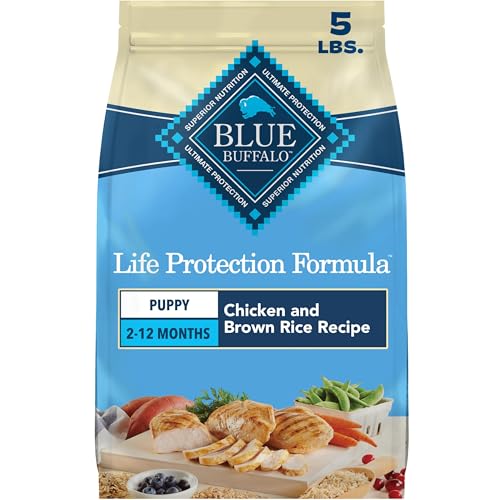
A good puppy kibble is one built for growth, not adult maintenance. Growing puppies need more protein, more calories, and a careful calcium and phosphorus balance to build healthy bones, muscles, and brain tissue. The single most important step is to check the bag for an AAFCO nutritional adequacy statement for growth or all life stages, ideally from a brand that runs feeding-data reviews. Start with a named animal protein at the top of the ingredient list, pick a kibble size that suits your puppy’s mouth, and ask your veterinarian to confirm the choice for your specific pup.
What a growing puppy needs
Puppies grow fast, and food fuels that work. Feeding adult food during this window can shortchange the protein and nutrients a young dog needs. Large-breed puppies are a special case: they must eat a large-breed puppy formula with controlled calcium and calorie density. Too much calcium, or growth that happens too quickly, can trigger serious orthopedic problems such as hip and elbow dysplasia and developmental bone disease, so big pups should never eat calorie-dense small-breed or adult foods. Small-breed puppies do best on small-breed formulas with tiny kibble, and because their fast metabolism raises hypoglycemia risk, they need regular meals through the day.
What to look for
Read the label before the marketing. Look for a specific meat like chicken, lamb, or fish listed first, an AAFCO growth statement, and quality digestible ingredients, since puppy stomachs can be sensitive. Match the kibble size to the breed, and for a dog that will grow large, confirm the words large breed on a growth formula. DHA supports brain and eye development, and a clear feeding chart helps you portion correctly for your puppy’s age and weight. Foods backed by feeding-data reviews give you extra confidence that the recipe works in real dogs.
How we chose
We favored puppy foods that state AAFCO growth nutrition, lead with a named protein, and come from brands with a track record of feeding-data reviews and consistent quality. We included options across budgets and breed sizes, from small-bite formulas for toy puppies to controlled-growth recipes for large breeds, so most households can find an honest match. Value and availability mattered too, but never ahead of life-stage appropriateness. We also weighed clear feeding guidance and how easy each recipe is to find and reorder.
What to avoid
Avoid feeding adult or all-purpose food to a puppy, and never give a large-breed pup a calorie-dense or high-calcium formula. Do not overfeed, since extra weight strains developing joints, especially in big breeds. Switch foods slowly over seven to ten days from the breeder’s diet to prevent stomach upset. Be cautious with grain-free unless your vet advises it, given the ongoing FDA investigation into a possible link with heart disease. Because this is a critical growth window and every puppy is different, work with your veterinarian on the right food, portion, and timing for the switch to adult food.