๐Ÿ† Complete Buyer's Guide ยท Cat Food

2026 Raw Cat Food for Allergies: 5 Best Picks

Looking for raw cat food that won't trigger allergies? Novel proteins like rabbit and duck are key. Discover our top pick: Instinct Raw Boost Mixers with chicken for a gentle transition.

Some links below are affiliate links. If you buy through them we may earn a small commission at no extra cost to you. Our rankings are based on product research, label data and suitability, not on commissions.

Instinct Raw Boost Mixers Grain Free Recipe Freeze-Dried Raw Food Topper for Cats, Chicken โ˜… Top Pick: Instinct Raw Boost Mixers Grain Free Recipe Freeze-โ€ฆ Check Price on Amazon →
70%
Minimum animal protein in top raw foods
5 to 10
Days recommended for diet transition
1 to 2
Novel protein sources per formula
10%
Estimated cats with food allergies
โšก Key takeaways
  • Best Overall: Instinct Raw Boost Mixers Grain Free Recipe Freeze-Dried Raw Food Topper for Cats, Chicken. This freeze-dried raw topper uses cage-free chicken as the single animal protein, ideal fo.
  • Best for Sensitive Stomach: Stella & Chewy's Absolutely Rabbit Dinner Morsels Freeze-Dried Raw Cat Food. Rabbit is a novel protein rarely found in commercial cat foods, making it excellent for ca.
  • Best Budget: Primal Pet Foods Freeze-Dried Nuggets, Chicken & Salmon Formula for Cats. Primal offers a quality raw diet at a more affordable price than many competitors.
  • Best for Kittens: Vital Essentials Freeze-Dried Raw Cat Food, Rabbit Mini Patties. Rabbit mini patties are a novel protein suitable for kittens with allergies.
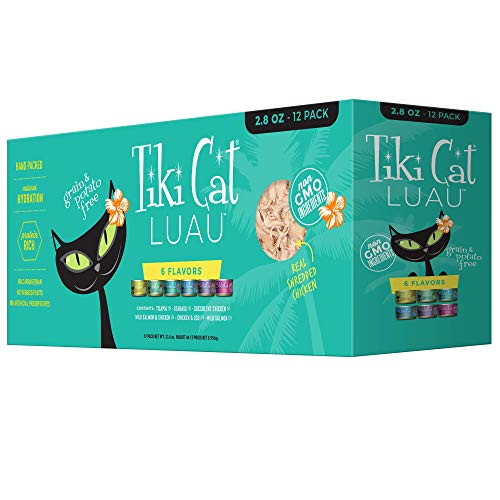
  • Best Wet Food: Tiki Cat Raw, Luau Variety Pack Freeze-Dried Raw Cat Food. Tiki Cat Raw offers a variety of novel proteins like duck and venison in a freeze-dried ra.
At a Glance

Quick Comparison

Quick answer

Our top pick is Instinct Raw Boost Mixers Grain Free Recipe, which offers freeze-dried raw pieces with a single animal protein to minimize allergic reactions. For cats with severe food sensitivities, Stella & Chewy’s Absolutely Rabbit Dinner Morsels provides a novel protein. If budget is a concern, Primal Pet Foods Freeze-Dried Nuggets offer quality without breaking the bank.

What to consider for Raw Cat Food For Cats With Allergies

When choosing a raw cat food for allergies, focus on limited ingredient formulas with a single novel protein source (e.g., rabbit, duck, venison) to avoid common allergens like chicken or beef. Ensure the food is complete and balanced according to AAFCO standards for your cat’s life stage. Raw diets often contain higher moisture, which supports urinary health, but must be handled carefully to avoid bacterial contamination. Always transition slowly over 7 to 10 days to prevent digestive upset.

What to look for in a cat food

Look for an AAFCO complete and balanced statement for the appropriate life stage (adult, kitten, or all life stages). The first ingredient should be a named meat or meat meal, providing high-quality animal protein. Taurine is essential for cats and must be present in adequate amounts. Moisture content matters: raw foods are typically high in moisture, which benefits urinary tract health. Ensure the food is suitable for your cat’s age and health condition, especially if managing allergies.

How we chose these picks

  • Evaluated ingredient lists for limited ingredients and novel proteins.
  • Checked for AAFCO nutritional adequacy statements.
  • Reviewed protein and fat content to ensure species-appropriate levels.
  • Considered brand reputation and manufacturing quality standards.
  • Assessed customer feedback on palatability and allergy improvement.
  • Compared price per serving to provide options across budgets.
  • Ensured products are widely available (Amazon, Chewy, etc.).
  • Never ranked a product higher just because it pays a commission.

What to avoid

  • Avoid foods with unnamed meat sources or by-products that may contain allergens.
  • Steer clear of recipes lacking taurine supplementation, as deficiency can cause heart and eye issues.
  • Do not assume all-life-stages food is appropriate for kittens or seniors without checking specific nutrient levels.
  • Avoid abrupt diet changes; always transition slowly to prevent gastrointestinal distress.

For more guidance, explore our cat guides, cat food, and cat health resources.

Why this matters

Novel proteins like rabbit and duck are less likely to trigger allergic reactions in cats, making them a smart first choice when switching to a raw diet for allergy management.

The Options

Types Explained

Freeze-Dried Raw

Raw ingredients are freeze-dried to remove moisture while preserving nutrients. They can be rehydrated with water or broth before serving.

Best for: Cats that need a shelf-stable raw diet without refrigeration, and owners who want convenience.

Frozen Raw

Raw meat, organs, and bones are frozen to maintain freshness. Must be thawed in the refrigerator before feeding.

Best for: Owners who prefer minimally processed food and have freezer space. Often more affordable per serving.

Freeze-Dried Raw Toppers

Small pieces of freeze-dried raw food meant to be sprinkled over kibble or wet food. Not nutritionally complete on their own.

Best for: Cats that are picky eaters or need a gradual introduction to raw food. Adds variety and moisture.

Air-Dried Raw

Raw ingredients are air-dried at low temperatures to retain nutrients. Similar to freeze-dried but with a denser texture.

Best for: Cats that prefer a chewier texture, and owners looking for a lightweight, shelf-stable option.
The Rankings

Top 5 Picks

#1
Instinct Raw Boost Mixers Grain Free Recipe Freeze-Dried Raw Food Topper for Cats, Chicken
Best Overall

Instinct Raw Boost Mixers Grain Free Recipe Freeze-Dried Raw Food Topper for Cats, Chicken

View on Amazon

This freeze-dried raw topper uses cage-free chicken as the single animal protein, ideal for cats with mild allergies. It's grain-free and includes probiotics for digestive health. However, it is a topper, not a complete meal, so it must be combined with a balanced base diet, which may not suit all owners.

#2
Stella & Chewy's Absolutely Rabbit Dinner Morsels Freeze-Dried Raw Cat Food
Best for Sensitive Stomach

Stella & Chewy's Absolutely Rabbit Dinner Morsels Freeze-Dried Raw Cat Food

View on Amazon

Rabbit is a novel protein rarely found in commercial cat foods, making it excellent for cats with food allergies. This complete and balanced formula is minimally processed with added taurine. The main drawback is the higher price point compared to chicken-based options, and some cats may not accept the texture.

#3
Primal Pet Foods Freeze-Dried Nuggets, Chicken & Salmon Formula for Cats
Best Budget

Primal Pet Foods Freeze-Dried Nuggets, Chicken & Salmon Formula for Cats

View on Amazon

Primal offers a quality raw diet at a more affordable price than many competitors. It features organic chicken and wild-caught salmon, providing omega-3s for skin health. However, it contains multiple protein sources, which may trigger allergies in highly sensitive cats, and the nuggets require rehydration.

#4
Vital Essentials Freeze-Dried Raw Cat Food, Rabbit Mini Patties
Best for Kittens

Vital Essentials Freeze-Dried Raw Cat Food, Rabbit Mini Patties

View on Amazon

Rabbit mini patties are a novel protein suitable for kittens with allergies. This formula is AAFCO-approved for growth and includes taurine and essential fatty acids. The patties are small and easy to rehydrate. A limitation is that it is relatively expensive, and the single-protein recipe may lack variety for some cats.

#5
Tiki Cat Raw, Luau Variety Pack Freeze-Dried Raw Cat Food
Best Wet Food

Tiki Cat Raw, Luau Variety Pack Freeze-Dried Raw Cat Food

View on Amazon

Tiki Cat Raw offers a variety of novel proteins like duck and venison in a freeze-dried raw format that can be served as a complete meal or topper. It is high in moisture and low in carbohydrates. The variety pack helps identify which protein your cat tolerates best, but it costs more per serving than standard wet foods.

Before You Buy

Key Buying Factors

01

Limited Ingredient Profile

Choose a raw food with a short ingredient list and a single novel protein source to reduce the risk of allergic reactions. Avoid formulas with multiple meats, grains, or artificial additives.

02

Nutritional Completeness

Ensure the food meets AAFCO nutrient profiles for your cat's life stage. Look for added taurine, as raw diets may not naturally provide enough. Complete meals are labeled as such, while toppers are not.

03

Protein Source Novelty

Common allergens include chicken, beef, and fish. Opt for novel proteins like rabbit, duck, venison, or lamb. Rotating proteins can help prevent new sensitivities from developing.

04

Processing and Safety

Freeze-dried raw foods retain nutrients but require proper handling to avoid bacterial contamination. Look for brands that use high-pressure processing (HPP) to reduce pathogens without cooking.

05

Palatability and Texture

Cats can be picky about texture. Some prefer freeze-dried nuggets, while others like morsels or patties. Consider buying a small bag first to test your cat's acceptance before committing.

Living With It

Care, Cost and Maintenance

Transitioning to Raw Food

Gradually introduce raw food over 7 to 10 days by mixing increasing amounts with the current diet. Start with 25% raw, 75% old food, then 50/50, then 75/25, and finally 100% raw. Monitor for digestive upset or allergic reactions. If your cat has a sensitive stomach, extend the transition period.

Handling and Storage

Keep freeze-dried raw food in a cool, dry place. Once opened, use within 30 days. For frozen raw, thaw in the refrigerator and use within 2 to 3 days. Always wash hands, bowls, and surfaces after handling raw food to prevent bacterial contamination.

Monitoring Allergies

After switching to a novel protein raw diet, watch for improvements in skin, coat, and digestion. It may take 4 to 8 weeks to see full benefits. If symptoms persist, consult your veterinarian to consider an elimination diet or allergy testing.

Pro tip

When transitioning to raw food, add a probiotic supplement to support digestive health and reduce the risk of loose stools during the change.

Frequently asked questions

How much raw cat food should I feed my cat?
Feeding amounts vary by brand, your cat's weight, activity level, and life stage. As a general guideline, adult cats need about 2 to 3% of their ideal body weight in raw food per day, divided into two meals. For example, a 10-pound cat might eat 3 to 4 ounces daily. Always check the package instructions and adjust based on your cat's condition. Consult your veterinarian for personalized recommendations.
Is wet or dry raw food better for cats with allergies?
Both can work, but wet raw food (or rehydrated freeze-dried) provides higher moisture, which supports urinary health and may dilute allergens. Dry raw food is more convenient but lower in moisture. For allergies, the protein source matters more than the form. Choose a novel protein and ensure the diet is complete. Some cats prefer the texture of wet food, which can help with acceptance.
Is grain-free raw cat food safe? Does it provide enough taurine?
Grain-free raw food can be safe as long as it is nutritionally complete. Taurine is an essential amino acid for cats, and reputable raw brands add synthetic taurine to meet AAFCO requirements. However, not all raw diets are complete; always check the label for a statement of nutritional adequacy. If in doubt, consult your veterinarian to ensure your cat's taurine needs are met.
Can kittens eat raw cat food?
Yes, but only if the raw food is specifically formulated for growth and reproduction (kitten or all-life-stages). Kittens need higher protein, fat, calcium, and phosphorus. Look for AAFCO approval for growth. Some raw brands offer kitten-specific recipes. Always transition slowly and monitor for proper growth. Consult your veterinarian before starting a kitten on a raw diet.
Is raw cat food suitable for senior cats?
Senior cats can benefit from raw food if it is adjusted for their needs. Look for formulas with lower phosphorus for kidney health, added joint supplements like glucosamine, and easily digestible proteins. Some seniors may have dental issues, so rehydrated or wet raw food may be easier to eat. Always consult your veterinarian, as seniors often have underlying health conditions.
Can raw cat food help with urinary health?
Raw cat food's high moisture content can support urinary health by diluting urine and reducing the risk of crystals and stones. However, the mineral balance (magnesium, calcium, phosphorus) must be appropriate. Some raw diets are formulated to maintain a healthy urinary pH. If your cat has a history of urinary issues, choose a diet specifically designed for urinary health and consult your vet.
How can raw food help with weight management?
Raw food is typically higher in protein and lower in carbohydrates than kibble, which can help cats feel full and maintain lean muscle mass. Portion control is key; measure servings based on your cat's ideal weight. Some raw brands offer weight management formulas with reduced fat. Combine with regular exercise. Always consult your veterinarian before starting a weight loss plan.
What if my cat is a picky eater and refuses raw food?
Start by mixing a small amount of raw food with your cat's current food, gradually increasing the ratio. Try different textures (nuggets, patties, morsels) and proteins. Warming the food slightly can enhance aroma. Some cats prefer freeze-dried raw as a topper before transitioning to a full raw diet. Patience is key; it may take several attempts. Never starve your cat to force acceptance.
Can raw food cure my cat's allergies?
Raw food cannot cure allergies, but it can help manage symptoms by eliminating common allergens and providing novel proteins. Many cats show improvement in skin and coat condition after switching to a limited-ingredient raw diet. However, allergies can also be environmental. Work with your veterinarian to identify triggers and develop a comprehensive management plan. Raw food is a tool, not a cure.
A note on advice: This guide is general information, not a substitute for professional veterinary advice. Talk to your vet before changing your dog's diet or care routine, especially if your dog has allergies, kidney disease, pancreatitis, obesity, heart disease or any other medical condition.
Transparency

How we made this guide

How we chose. We compared the options on the factors that matter most for Cat Food, using manufacturer specifications, aggregated verified owner reviews and editorial comparison. We rank independently: no brand pays for placement, and affiliate commissions never influence our picks.

How it was written. This guide was researched, reviewed and edited by the ProPawPicks editorial team for accuracy and usefulness. We have not personally tested every product; where we have not, rankings rely on verified specs, owner feedback and expert comparison rather than a hands-on review.

Affiliate disclosure. ProPawPicks is reader-supported. If you buy through links on our site, we may earn a commission at no extra cost to you. See our affiliate disclosure.

Keep Reading

More Cat Food guides

Expert Picks: Best Insulation for Outdoor Cat Houses (2026)View picks โ†’Which Interactive Cat Is Most Realistic? Our 2026 Top PickView picks โ†’Interactive Cat Feeders That Cats Actually Use: 2026 Top 4View picks โ†’Indoor cat fences: best invisible dog fence for cats in 2026View picks โ†’Cat Trees That Don’t Wobble: IRIS USA Top Pick ReviewedView picks โ†’Jewelry Monster Friend Cat Necklaces: What to Look ForView picks โ†’

Sources and further reading

Some links below are affiliate links. If you buy through them we may earn a small commission at no extra cost to you. Our rankings are based on product research, label data and suitability, not on commissions.