๐Ÿ† Complete Buyer's Guide ยท Cat Food

Raw Cat Food for Diabetic Cats: Key Features Compared

Diabetic cats need high protein, low carb diets. We compared top raw foods including Instinct Original Grain-Free Chicken. Find the best pick for your cat's health.

Some links below are affiliate links. If you buy through them we may earn a small commission at no extra cost to you. Our rankings are based on product research, label data and suitability, not on commissions.

Instinct Original Grain-Free Raw Freeze-Dried Cat Food, Chicken Recipe โ˜… Top Pick: Instinct Original Grain-Free Raw Freeze-Dried Cat Fโ€ฆ Check Price on Amazon →
40-50%
Recommended protein (dry matter) for diabetic cats
<10%
Ideal carbohydrate content (dry matter) for diabetic cats
70-80%
Moisture content in raw food to support hydration
0.5-1.0%
Taurine content (dry matter) needed for heart health
โšก Key takeaways
  • Best Overall: Instinct Original Grain-Free Raw Freeze-Dried Cat Food, Chicken Recipe. This freeze-dried raw food features 95% chicken and organs, with no grains or fillers.
  • Best for Sensitive Stomach: Stella & Chewy's Freeze-Dried Raw Dinner Morsels, Rabbit Recipe. Made with rabbit as a novel protein, this food is gentle on sensitive stomachs and low in.
  • Best Budget: Tiki Cat Born Carnivore Raw Freeze-Dried Cat Food, Chicken & Egg. This option offers a high-protein, low-carb formula at a more affordable price point.
  • Best for Weight Management: Primal Freeze-Dried Raw Cat Food, Chicken & Salmon Formula. This formula combines chicken and salmon for a balanced amino acid profile, with moderate.
  • Best Wet Food Alternative: Vital Essentials Freeze-Dried Raw Cat Food, Minced Turkey. Rehydrated, this minced turkey formula provides a texture similar to wet food, which can e.
At a Glance

Quick Comparison

Quick answer

Our top pick is Instinct Original Grain-Free Raw Freeze-Dried Cat Food, which offers high protein and low carbohydrates, ideal for diabetic cats. For cats with sensitive stomachs, Stella & Chewy’s Freeze-Dried Raw Dinner Morsels is a great alternative. If you need a budget-friendly option, Tiki Cat Born Carnivore is a solid choice.

What to consider for Raw Cat Food For Diabetic Cats

Diabetic cats benefit from a diet that mimics their natural prey: high in animal protein, moderate in fat, and very low in carbohydrates. Raw cat food often meets these criteria, but it’s crucial to ensure the diet is nutritionally balanced and complete. Consult your veterinarian before switching to raw food, as diabetes management requires careful monitoring of blood glucose levels and insulin adjustments.

What to look for in a cat food

Look for an AAFCO statement confirming the food is complete and balanced for adult maintenance or all life stages. The first ingredient should be a named meat (e.g., chicken, turkey, rabbit). Ensure adequate animal protein (typically 40-50% dry matter) and taurine supplementation (essential for heart and eye health). Moisture content around 70-80% supports urinary health. Choose a formula appropriate for your cat’s life stage and health condition.

How we chose these picks

  • Evaluated protein and carbohydrate content to ensure low-carb profiles suitable for diabetic cats.
  • Checked for named meat as the first ingredient and absence of fillers like corn, wheat, or soy.
  • Verified AAFCO nutritional adequacy statements for adult maintenance.
  • Considered brand reputation and manufacturing quality standards.
  • Reviewed customer feedback on palatability and digestive tolerance.
  • Compared price per ounce to offer options across budgets.
  • Ensured products are widely available on Amazon.
  • Never ranked a product higher just because it pays a commission.

What to avoid

  • Avoid foods with unnamed meat sources (e.g., “meat meal”) or low animal protein content.
  • Steer clear of recipes that do not guarantee taurine levels, as deficiency can cause serious health issues.
  • Do not default to all-life-stages food for a senior or kitten without checking specific nutrient profiles.
  • Avoid abrupt diet switches; transition gradually over 7-10 days to prevent digestive upset.

For more guidance, check out our cat guides, cat food reviews, and cat health tips.

Why this matters

Diabetic cats thrive on a diet that mimics their natural prey: high in animal protein, moderate in fat, and very low in carbohydrates. Raw food can meet these criteria, but it must be nutritionally complete and balanced to avoid deficiencies.

The Options

Types Explained

Freeze-Dried Raw

Raw ingredients are freeze-dried to remove moisture while preserving nutrients. Lightweight and shelf-stable, they are rehydrated before feeding. Ideal for owners who want convenience without sacrificing raw benefits.

Best for: Owners seeking a shelf-stable raw option with minimal prep

Frozen Raw

Raw meat, organs, and bones are frozen to maintain freshness. Requires thawing in the refrigerator and has a shorter shelf life. Offers the closest texture to fresh raw.

Best for: Owners with freezer space who prefer a less processed raw diet

Freeze-Dried Raw Toppers

Small pieces of freeze-dried raw food used as a meal topper or treat. Not nutritionally complete on their own. Can entice picky eaters or add variety.

Best for: Supplementing a balanced diet or encouraging finicky cats to eat

Air-Dried Raw

Raw ingredients are air-dried at low temperatures, retaining more nutrients than kibble but less than freeze-dried. Chewier texture. Some brands are complete and balanced.

Best for: Owners wanting a dry raw option with a longer shelf life
The Rankings

Top 5 Picks

#1
Instinct Original Grain-Free Raw Freeze-Dried Cat Food, Chicken Recipe
Best Overall

Instinct Original Grain-Free Raw Freeze-Dried Cat Food, Chicken Recipe

View on Amazon

This freeze-dried raw food features 95% chicken and organs, with no grains or fillers. It provides high protein and low carbohydrates, ideal for diabetic cats. The freeze-drying process preserves nutrients. However, it is more expensive than many other options, and some cats may not take to the texture immediately.

#2
Stella & Chewy's Freeze-Dried Raw Dinner Morsels, Rabbit Recipe
Best for Sensitive Stomach

Stella & Chewy's Freeze-Dried Raw Dinner Morsels, Rabbit Recipe

View on Amazon

Made with rabbit as a novel protein, this food is gentle on sensitive stomachs and low in carbs. It includes added probiotics for digestive health. A potential limitation is that rabbit is a less common protein, which may not appeal to all cats, and the price is higher than average.

#3
Tiki Cat Born Carnivore Raw Freeze-Dried Cat Food, Chicken & Egg
Best Budget

Tiki Cat Born Carnivore Raw Freeze-Dried Cat Food, Chicken & Egg

View on Amazon

This option offers a high-protein, low-carb formula at a more affordable price point. It contains chicken and egg as primary ingredients, with no grains. However, it has slightly lower protein content compared to premium brands, and some cats may find the texture less appealing.

#4
Primal Freeze-Dried Raw Cat Food, Chicken & Salmon Formula
Best for Weight Management

Primal Freeze-Dried Raw Cat Food, Chicken & Salmon Formula

View on Amazon

This formula combines chicken and salmon for a balanced amino acid profile, with moderate fat to support weight control in diabetic cats. It includes organic produce and supplements. A trade-off is that it contains some fruits and vegetables, which add minimal carbs, and it is on the pricier side.

#5
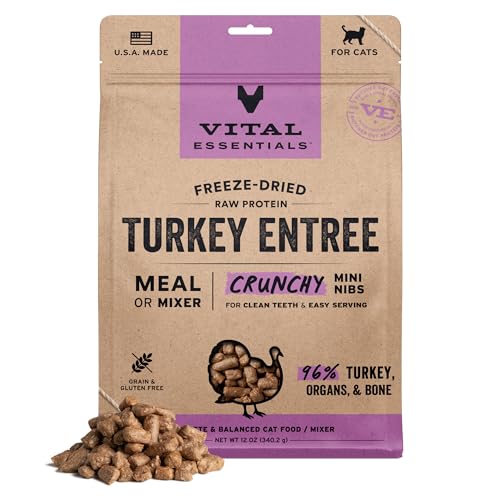
Vital Essentials Freeze-Dried Raw Cat Food, Minced Turkey
Best Wet Food Alternative

Vital Essentials Freeze-Dried Raw Cat Food, Minced Turkey

View on Amazon

Rehydrated, this minced turkey formula provides a texture similar to wet food, which can encourage hydration. It is high in protein and low in carbs. However, it requires rehydration before feeding, adding preparation time, and the single-protein recipe may not suit cats needing variety.

Before You Buy

Key Buying Factors

01

Protein and Carbohydrate Levels

Diabetic cats need high protein (40-50% dry matter) and low carbohydrates (under 10% dry matter) to help regulate blood sugar. Check the guaranteed analysis and calculate dry matter percentages.

02

Ingredient Quality

Look for named meat as the first ingredient, such as chicken, turkey, or rabbit. Avoid by-products, fillers like corn and wheat, and artificial additives. Whole prey ingredients (meat, organs, bone) are ideal.

03

Nutritional Completeness

Ensure the food meets AAFCO nutrient profiles for adult maintenance. It should contain adequate taurine, vitamins, and minerals. Some raw diets may require supplementation; consult your vet.

04

Form and Preparation

Freeze-dried raw food is convenient and shelf-stable, but requires rehydration. Frozen raw diets need thawing. Consider your cat's texture preference and your willingness to prepare food.

05

Brand Reputation and Safety

Choose brands with rigorous quality control, such as those following HACCP protocols. Research any recalls and ensure the company tests for pathogens like Salmonella and E. coli.

Living With It

Care, Cost and Maintenance

Transitioning to Raw Food

Gradually introduce raw food over 7 to 10 days by mixing increasing amounts with the current diet. Monitor your cat's stool and appetite. Diabetic cats may need insulin adjustments during the transition; work with your veterinarian.

Handling and Storage

Thaw frozen raw food in the refrigerator, not at room temperature. Use separate utensils and bowls to avoid cross-contamination. Wash hands and surfaces thoroughly. Refrigerate leftovers and discard uneaten food after 1 hour.

Monitoring Health

Regularly check your cat's weight, blood glucose levels, and overall condition. Raw diets can affect insulin requirements. Schedule veterinary check-ups every 3 to 6 months to adjust the diabetes management plan as needed.

Pro tip

When transitioning your diabetic cat to raw food, work closely with your veterinarian to monitor blood glucose levels and adjust insulin doses, as the change in diet can significantly affect insulin requirements.

Frequently asked questions

How much raw food should I feed my diabetic cat?
Feeding amounts vary by brand, your cat's weight, activity level, and insulin dose. As a general guideline, adult cats need about 2 to 3% of their ideal body weight in raw food per day, split into two meals. For a 10-pound cat, that's roughly 3 to 4.5 ounces daily. Always follow the manufacturer's recommendations and consult your veterinarian to tailor the amount to your cat's specific needs. Monitor weight and adjust portions accordingly.
Is wet or dry raw food better for diabetic cats?
Wet raw food (or rehydrated freeze-dried) is generally better because it provides higher moisture content, which supports hydration and urinary health. Dry raw food (like air-dried) has lower moisture, which may not be ideal for diabetic cats prone to dehydration. However, both can be low in carbs and high in protein. The key is to choose a complete and balanced formula. If using dry raw, ensure your cat drinks enough water.
Is grain-free raw food safe for diabetic cats regarding taurine?
Grain-free raw diets can be safe if they are properly formulated with adequate taurine. Taurine is an essential amino acid for cats, and raw meat naturally contains it, but levels can vary. Reputable brands supplement taurine to meet AAFCO requirements. Always check the guaranteed analysis for taurine content (minimum 0.1% on a dry matter basis for adult maintenance). Consult your vet to ensure the diet provides sufficient taurine.
Can I feed raw food to a diabetic kitten?
Kittens have higher nutritional needs for growth, including more calcium, phosphorus, and certain vitamins. Some raw diets formulated for all life stages may be appropriate, but you should choose a product specifically labeled for growth or all life stages. Consult your veterinarian before feeding raw to a diabetic kitten, as managing both diabetes and growth requires careful nutritional balance and insulin monitoring.
Is raw food suitable for senior diabetic cats?
Yes, raw food can be suitable for senior diabetic cats, provided it is nutritionally complete and easy to digest. Senior cats may have dental issues or reduced kidney function, so a high-moisture, soft raw diet can be beneficial. However, some raw foods are high in phosphorus, which may be a concern for cats with kidney disease. Always consult your vet to choose a diet that supports both diabetes and any age-related conditions.
Can raw food help with urinary health in diabetic cats?
Raw food's high moisture content (70-80%) can help dilute urine and reduce the risk of urinary tract issues, such as crystals or infections. Diabetic cats are prone to urinary infections due to glucose in urine. However, raw diets vary in mineral content; some may be high in magnesium or phosphorus, which could contribute to crystal formation. Choose a raw diet with balanced minerals and consult your vet for recommendations.
How can raw food help with weight management in diabetic cats?
Raw food is typically high in protein and low in carbohydrates, which can help stabilize blood sugar and promote satiety. This makes it easier to manage weight in diabetic cats. However, raw food can be calorie-dense, so portion control is essential. Choose a formula with moderate fat content (around 15-25% dry matter) to avoid excessive calories. Monitor your cat's weight regularly and adjust portions as needed.
My diabetic cat is a picky eater; will they accept raw food?
Many cats are attracted to the taste and texture of raw food, but some may be hesitant. Start by offering a small amount as a topper on their current food. Gradually increase the proportion. Warming the food slightly (to room temperature) can enhance aroma. If your cat refuses, try different proteins (chicken, turkey, rabbit) or textures (minced, chunky). Patience is key; some cats take weeks to accept a new diet.
Can raw food cause pancreatitis in diabetic cats?
Pancreatitis is a concern in diabetic cats, and high-fat diets can trigger episodes. Raw food varies in fat content; some formulas are high in fat (over 30% dry matter). Choose a raw diet with moderate fat (15-25% dry matter) to reduce risk. Also, ensure a gradual transition to avoid digestive upset. If your cat has a history of pancreatitis, consult your veterinarian before switching to raw food.
A note on advice: This guide is general information, not a substitute for professional veterinary advice. Talk to your vet before changing your dog's diet or care routine, especially if your dog has allergies, kidney disease, pancreatitis, obesity, heart disease or any other medical condition.
Transparency

How we made this guide

How we chose. We compared the options on the factors that matter most for Cat Food, using manufacturer specifications, aggregated verified owner reviews and editorial comparison. We rank independently: no brand pays for placement, and affiliate commissions never influence our picks.

How it was written. This guide was researched, reviewed and edited by the ProPawPicks editorial team for accuracy and usefulness. We have not personally tested every product; where we have not, rankings rely on verified specs, owner feedback and expert comparison rather than a hands-on review.

Affiliate disclosure. ProPawPicks is reader-supported. If you buy through links on our site, we may earn a commission at no extra cost to you. See our affiliate disclosure.

Keep Reading

More Cat Food guides

Which Interactive Cat Is Most Realistic? Our 2026 Top PickView picks โ†’Invisible Fence for Cat, RankedView picks โ†’Experts Pick: Johnson’s Baby Shampoos (Not for Cats)View picks โ†’Joint Relief for Cats That DeliverView picks โ†’Best Joint Supplements for Dogs for Indoor Cats 2026: Top 5 PicksView picks โ†’Best Kibble Cat Food 2026: 5 Top Picks ComparedView picks โ†’

Sources and further reading

Some links below are affiliate links. If you buy through them we may earn a small commission at no extra cost to you. Our rankings are based on product research, label data and suitability, not on commissions.