๐Ÿ† Complete Buyer's Guide ยท Dog Care Products

Best Retractable Leashes for Neck Issues: Flexi Giant Tape

Discover how wide-tape retractable leashes like Flexi Giant protect dogs with neck issues when paired with a harness. Compare 5 safe picks for 2026.

Some links below are affiliate links. If you buy through them we may earn a small commission at no extra cost to you. Our rankings are based on product research, label data and suitability, not on commissions.

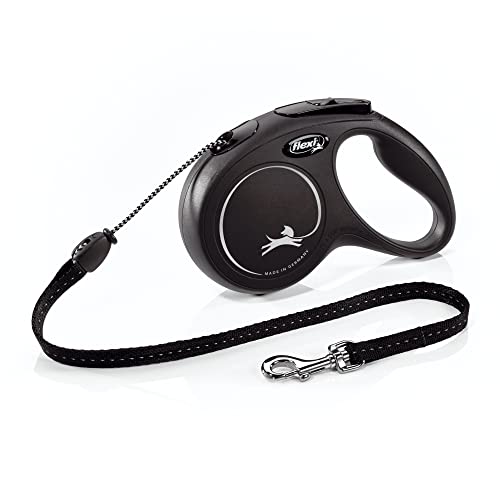
Flexi Giant Tape Leash with Multi Box โ˜… Top Pick: Flexi Giant Tape Leash with Multi Box Check Price on Amazon →
16 to 26 ft
Leash Length Options
Up to 110 lbs
Maximum Dog Weight
Wide Tape or Soft Cord
Neck-Friendly Design
Ergonomic Handle
Comfort and Control
โšก Key takeaways
  • Best Overall: Flexi Giant Tape Leash with Multi Box. The Flexi Giant Tape Leash features a wide, flat tape that distributes pressure evenly, re.
  • Best Budget: Flexi Neon Tape Leash. The Flexi Neon Tape Leash offers a budget-friendly option with a neon tape for visibility.
  • Best No-Pull: Flexi Comfort Cord Leash. The Flexi Comfort Cord Leash uses a soft, round cord that reduces sudden jerks, ideal for.
  • Best for Large Dogs: Flexi Classic Cord Leash. The Flexi Classic Cord Leash is designed for dogs up to 110 pounds, with a strong cord and.
  • Best for Training: Flexi New Classic Tape Leash. The Flexi New Classic Tape Leash features a reflective tape and a single-button brake for.
At a Glance

Quick Comparison

Quick answer

The best retractable leash for dogs with neck issues is the Flexi Giant Tape Leash with Multi Box, which offers a wide, flat tape that distributes pressure evenly and a comfortable handle with a braking system. For a budget-friendly alternative with a padded handle and reflective stitching, consider the Flexi Neon Tape Leash. If your dog pulls, the Flexi Comfort Cord Leash provides a soft cord that reduces sudden jerks.

What to consider for Retractable Dog Leash For Dogs With Neck Issues

Dogs with neck issues, such as intervertebral disc disease or cervical spine problems, require leashes that minimize pressure on the neck. A retractable leash can be problematic if the dog bolts, causing a sudden jerk. Look for leashes with a wide, flat tape or cord that reduces pressure points. A comfortable, ergonomic handle helps you maintain control without pulling. The braking system should be smooth and responsive to prevent abrupt stops. Also consider the leash length: longer leashes (16 to 26 feet) allow more freedom but require careful handling. Always pair with a harness, never a collar, to avoid neck strain.

What to look for in a gear item (harness, collar, leash or muzzle)

For dogs with neck issues, a harness is essential. Look for a harness with a front clip to discourage pulling and a padded chest plate for comfort. Ensure correct fit by measuring the girth and neck; the harness should be snug but not tight. Durable hardware, such as rust-resistant buckles and D-rings, is important for safety. Reflective stitching or strips enhance visibility. A no-pull design with a martingale loop can help prevent escape. Avoid collars entirely for neck-sensitive dogs. For leashes, choose a retractable with a wide tape or soft cord to reduce impact. The handle should be padded and non-slip for secure grip.

How we chose these picks

  • Evaluated leash design for pressure distribution and shock absorption.
  • Checked for ergonomic handles and smooth braking systems.
  • Reviewed safety features like reflective elements and breakaway options.
  • Considered leash length and weight capacity for different dog sizes.
  • Read customer feedback on durability and ease of use.
  • Consulted veterinary guidelines on neck-safe walking equipment.
  • Compared prices to offer options for various budgets.
  • Never ranked a product higher just because it pays a commission.

What to avoid

  • Avoid retractable leashes with thin cords that can cut into the neck if the dog lunges.
  • Avoid leashes with weak clips that may break under tension.
  • Avoid using retractable leashes on dogs that pull strongly, as sudden stops can injure the neck.
  • Avoid using a retractable leash near traffic or in crowded areas where control is critical.
  • Avoid pairing a retractable leash with a collar; always use a harness to protect the neck.

For more guidance, check out our dog guides, dog health, and dog care products.

Why this matters

Retractable leashes can be safe for dogs with neck issues if they have a wide, flat tape and are used exclusively with a harness that distributes pressure away from the neck.

The Options

Types Explained

Tape Leash

A retractable leash with a flat, wide tape that distributes pressure evenly. Ideal for dogs with neck issues as it reduces concentrated force. The tape is less likely to cause injury if the dog lunges.

Best for: Dogs with neck sensitivity or those that tend to pull moderately.

Cord Leash

A retractable leash with a round, soft cord. It is lighter and more flexible, but the cord can create pressure points. Suitable for dogs that do not pull and have mild neck concerns.

Best for: Small to medium dogs with minor neck issues, or for training purposes.

Belt Leash

A retractable leash that attaches to a waist belt, freeing hands. This type reduces arm strain but still requires careful handling to avoid neck jerks. Best for hands-free walking on quiet routes.

Best for: Active owners who want hands-free control, but only for dogs with well-managed neck conditions.

Dual-End Leash

A retractable leash with two attachment points, often used with a harness and collar. However, for neck issues, only attach to the harness. Provides extra control but can be complex to manage.

Best for: Dogs that need additional steering, but only if the collar attachment is avoided.
The Rankings

Top 5 Picks

#1
Flexi Giant Tape Leash with Multi Box
Best Overall

Flexi Giant Tape Leash with Multi Box

View on Amazon

The Flexi Giant Tape Leash features a wide, flat tape that distributes pressure evenly, reducing neck strain. Its ergonomic Multi Box handle with a braking system allows precise control. The tape is durable and reflective for safety. However, it is heavier than cord leashes, which may be a trade-off for small dogs.

#2
Flexi Neon Tape Leash
Best Budget

Flexi Neon Tape Leash

View on Amazon

The Flexi Neon Tape Leash offers a budget-friendly option with a neon tape for visibility and a comfortable handle. The tape is wide enough to minimize pressure, and the brake is responsive. A limitation is that the tape may fray over time with heavy use, but it's a solid choice for occasional walks.

#3
Flexi Comfort Cord Leash
Best No-Pull

Flexi Comfort Cord Leash

View on Amazon

The Flexi Comfort Cord Leash uses a soft, round cord that reduces sudden jerks, ideal for dogs that pull. The handle is padded for grip, and the brake allows gradual stops. However, the cord can be less visible than tape, and it may tangle if the dog circles. Still, it's great for minimizing neck impact.

#4
Flexi Classic Cord Leash
Best for Large Dogs

Flexi Classic Cord Leash

View on Amazon

The Flexi Classic Cord Leash is designed for dogs up to 110 pounds, with a strong cord and robust brake. The handle is contoured for comfort. It provides controlled freedom without sudden tension. A downside is that the cord is thin, which might not distribute pressure as well as tape, but it's durable for large breeds.

#5
Flexi New Classic Tape Leash
Best for Training

Flexi New Classic Tape Leash

View on Amazon

The Flexi New Classic Tape Leash features a reflective tape and a single-button brake for easy locking. The tape is wide and gentle on the neck when used with a harness. It's lightweight and suitable for training sessions. The trade-off is that the brake can be stiff initially, but it loosens with use.

Before You Buy

Key Buying Factors

01

Leash Material

Choose between tape and cord. Tape distributes pressure more evenly and is less likely to cause neck strain. Cord is softer but may concentrate pressure. For neck issues, tape is generally safer.

02

Braking System

A smooth, responsive brake allows you to stop the leash gradually, preventing sudden jerks. Look for a one-button system that is easy to operate with one hand.

03

Handle Comfort

An ergonomic, padded handle reduces hand fatigue and improves control. Some handles have a contoured grip that fits the hand naturally, which helps maintain a steady hold.

04

Weight and Size

Consider your dog's weight and strength. Retractable leashes are rated for specific weight ranges. Using a leash rated for a heavier dog than yours can be cumbersome, while an underrated leash may break.

05

Safety Features

Reflective stitching or tape improves visibility in low light. Some leashes have a breakaway feature that prevents the leash from becoming a hazard. Always use with a harness, not a collar.

Living With It

Care, Cost and Maintenance

Cleaning the Leash

Wipe the tape or cord with a damp cloth and mild soap. Avoid submerging the retractable mechanism. Dry thoroughly before retracting to prevent rust or jamming.

Inspecting for Wear

Regularly check the tape or cord for fraying, the clip for rust, and the brake for responsiveness. Replace if any part is damaged to ensure safety.

Storing the Leash

Keep the leash in a dry place away from extreme temperatures. Retract fully before storage to prevent tangles. Avoid leaving it in direct sunlight for long periods.

Pro tip

Always lock the retractable leash at a short length (3 to 4 feet) when walking near roads or in crowded areas to maintain control and prevent sudden lunges that could strain your dog's neck.

Frequently asked questions

How do I measure my dog for a retractable leash?
To choose the right retractable leash, you need to know your dog's weight. Most retractable leashes are rated by weight capacity, so weigh your dog and select a leash that matches or exceeds that weight. For neck issues, also consider the leash material: a wide tape is gentler. Measure your dog's neck girth if using a harness, but for the leash itself, weight is the primary factor. Ensure the leash's clip is compatible with your harness D-ring.
Are retractable leashes effective for no-pull training?
Retractable leashes are not ideal for no-pull training because they can encourage pulling by providing constant tension. For dogs with neck issues, pulling can exacerbate problems. Instead, use a harness with a front clip and a standard leash for training. If you must use a retractable leash, choose one with a reliable brake that allows you to lock the leash at a short length to discourage pulling. However, a fixed-length leash is generally better for teaching loose-leash walking.
How can I prevent my dog from escaping a retractable leash?
Escape prevention starts with a properly fitted harness. Use a harness with a secure chest and back clip, and ensure the D-ring is sturdy. The retractable leash clip should be strong and have a locking mechanism. Avoid using a collar with a retractable leash, as dogs can slip out of collars. Some harnesses have a martingale loop that tightens slightly if the dog pulls, reducing escape risk. Always check that the clip is fully closed before walking.
Should I use a harness or collar with a retractable leash for a dog with neck issues?
Always use a harness with a retractable leash for dogs with neck issues. A collar puts direct pressure on the neck, which can worsen conditions like intervertebral disc disease or cervical spine problems. A harness distributes force across the chest and shoulders, reducing neck strain. Choose a harness with a front clip to discourage pulling. Never attach a retractable leash to a collar, as sudden jerks can cause serious injury.
What materials are best for a retractable leash for neck-sensitive dogs?
For neck-sensitive dogs, a wide nylon tape is best because it distributes pressure over a larger area, reducing the risk of injury. Some leashes use a soft, round cord that is lighter but can concentrate pressure. Avoid thin cords or chains that can dig into the neck. The handle should be padded and non-slip for comfortable control. Reflective materials are a bonus for visibility. Always pair with a harness to minimize neck impact.
How do I clean a retractable leash?
To clean a retractable leash, first retract the tape or cord fully. Wipe the tape or cord with a damp cloth and a mild detergent. Do not immerse the retractable mechanism in water, as it can damage the internal spring. For the handle, use a slightly damp cloth to wipe away dirt. Allow all parts to air dry completely before retracting again. Regular cleaning prevents buildup of dirt that can cause wear.
Can a small dog use a retractable leash designed for large dogs?
It is not recommended to use a retractable leash rated for large dogs on a small dog, as the leash may be too heavy and the brake may be too strong, causing jerks. Additionally, the tape or cord may be too wide or stiff for a small dog's harness. Always choose a leash that matches your dog's weight range. For small dogs with neck issues, look for a lightweight tape leash with a smooth brake.
What safety concerns should I be aware of with retractable leashes?
Retractable leashes can cause injuries if not used properly. The cord or tape can cause burns if it runs through your hand. The sudden stop when the leash reaches its limit can jerk the dog's neck, so always use a harness. Never let the leash wrap around your body or your dog's legs. Avoid using retractable leashes near traffic or in crowded areas. Always lock the leash at a short length when needed.
Are there any specific brands recommended for dogs with neck issues?
Flexi is the most well-known brand for retractable leashes and offers several models suitable for dogs with neck issues, such as the Giant Tape and Comfort Cord. Other brands like Ruffwear and Kurgo make retractable leashes but focus more on durability. For neck issues, prioritize leashes with wide tape and ergonomic handles. Always pair with a harness from brands like Rabbitgoo or 2 Hounds Design that offer no-pull features.
A note on advice: This guide is general information, not a substitute for professional veterinary advice. Talk to your vet before changing your pet's diet or care routine, especially if your pet has allergies, kidney disease, pancreatitis, obesity, heart disease or any other medical condition.
Transparency

How we made this guide

How we chose. We compared the options on the factors that matter most for Dog Care Products, using manufacturer specifications, aggregated verified owner reviews and editorial comparison. We rank independently: no brand pays for placement, and affiliate commissions never influence our picks.

How it was written. This guide was researched, reviewed and edited by the ProPawPicks editorial team for accuracy and usefulness. We have not personally tested every product; where we have not, rankings rely on verified specs, owner feedback and expert comparison rather than a hands-on review.

Affiliate disclosure. ProPawPicks is reader-supported. If you buy through links on our site, we may earn a commission at no extra cost to you. See our affiliate disclosure.

Keep Reading

More Dog Care Products guides

Interactive Dog Toys for Boredom: Our ShortlistView picks โ†’Invisible Dog Fence for Large Dogs: 5 Best Picks (2026)View picks โ†’2026 Puppy Fence Guide: 5 Top Invisible Dog Fences ReviewedView picks โ†’Which Invisible Dog Fence Is Best? 5 Top PicksView picks โ†’Contain Your Dog Reliably: 5 Best Invisible Fence Picks for 2026View picks โ†’5 Robot Vacuums Tested for Heavy Pet HairView picks โ†’

Sources and further reading

Some links below are affiliate links. If you buy through them we may earn a small commission at no extra cost to you. Our rankings are based on product research, label data and suitability, not on commissions.