Top Salmon Cat Food for Senior Cats 2026: Expert Picks for Every Budget
Protect your senior cat's joints and kidneys with salmon-based recipes low in phosphorus. We compare 5 top foods including Hill's Science Diet 7+ Chicken & Salmon, highlighting key nutrients for aging felines.
Some links below are affiliate links. If you buy through them we may earn a small commission at no extra cost to you. Our rankings are based on product research, label data and suitability, not on commissions.
Minimum taurine (dry matter) for heart and eye health
78-82%
Moisture content in wet food for urinary health
10-15%
Recommended fat (dry matter) to prevent obesity
⚡ Key takeaways
Best Overall: Hill's Science Diet Adult 7+ Chicken & Salmon Recipe. This dry food features real salmon as a primary protein, balanced with chicken for palatab.
Best for Sensitive Stomach: Purina Pro Plan Sensitive Skin & Stomach Salmon & Rice Formula. Formulated with salmon as the first ingredient and easily digestible rice, this dry food i.
Best for Joint Support: Blue Buffalo Wilderness Senior Chicken & Salmon Recipe. This grain-free dry food combines chicken and salmon for high protein, with added glucosam.
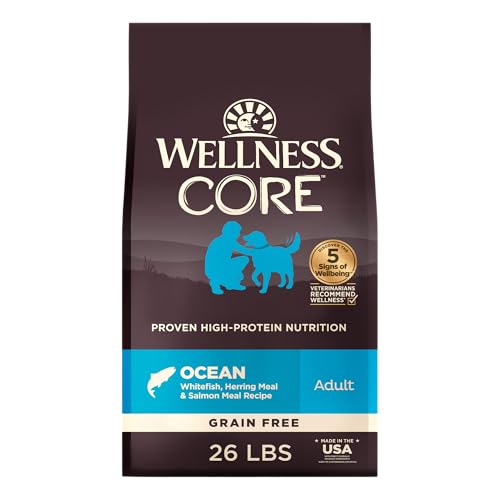
Best Grain-Free Dry Food: Wellness CORE Grain-Free Senior Salmon & Herring Meal. This high-protein, grain-free formula uses salmon and herring meal as the first ingredient.
Best Wet Food: Tiki Cat Senior Mousse Salmon Recipe. This smooth mousse texture is ideal for senior cats with dental issues or reduced appetite.
Our top pick is Hill’s Science Diet Adult 7+ Chicken & Salmon Recipe because it combines high-quality salmon protein with clinically proven antioxidants and joint support. For cats with sensitive stomachs, Purina Pro Plan Sensitive Skin & Stomach Salmon & Rice is excellent. If you prefer a grain-free wet food, Tiki Cat Senior Mousse Salmon is a great choice.
What to consider for Salmon Cat Food For Senior Cats
Senior cats often need fewer calories but more high-quality protein to maintain muscle mass. Salmon provides omega-3 fatty acids that support joint health and cognitive function. Look for foods with controlled phosphorus levels to protect aging kidneys, and added fiber for digestion. Moisture content is important; wet food helps with hydration and urinary health. Always choose a formula labeled for adult maintenance or senior cats to ensure proper nutrient balance.
What to look for in a cat food
First, ensure the food carries an AAFCO statement of nutritional adequacy for adult maintenance or all life stages. The first ingredient should be a named meat like salmon or chicken meal. Adequate animal protein (around 30-40% dry matter) and taurine (essential for heart and eyes) are critical. For senior cats, moderate fat (around 15-20% dry matter) helps prevent obesity. Wet food provides moisture (70-80%) which supports urinary health. Life-stage specific formulas often include joint supplements like glucosamine and chondroitin.
How we chose these picks
We evaluated products based on ingredient quality, with a named salmon or fish as the primary protein source.
We checked AAFCO nutritional adequacy statements to ensure they are complete and balanced for adult or senior cats.
We prioritized formulas with added joint support (glucosamine, chondroitin) and omega-3 fatty acids.
We considered moisture content, favoring wet foods for senior cats’ hydration needs.
We reviewed guaranteed analysis to ensure appropriate protein, fat, and fiber levels for aging cats.
We selected products from reputable brands with a history of quality control and research.
Never ranked a product higher just because it pays a commission.
What to avoid
Avoid foods where the first ingredient is a generic meat by-product or corn; look for named meat like salmon.
Steer clear of recipes that do not guarantee taurine levels; taurine is essential for cats.
Do not default to all-life-stages food for a senior cat without checking if it meets lower phosphorus needs; senior-specific formulas are better.
Avoid abrupt diet switches; transition over 7 to 10 days to prevent digestive upset.
Salmon provides natural omega-3 fatty acids that support joint and cognitive health in senior cats, but the most important factor is choosing a formula with controlled phosphorus levels to protect aging kidneys.
The Options
Types Explained
Dry Kibble
Convenient and shelf-stable, dry food helps with dental health through crunching. It is typically lower in moisture (around 10%) and higher in carbohydrates. Many senior formulas include joint supplements.
Best for: Cats that prefer crunchy textures and owners seeking cost-effective, easy-to-store options.
Wet Food (Canned or Pouch)
High moisture content (70-85%) supports hydration and urinary health. Wet food is often more palatable for picky eaters and easier to chew for seniors with dental issues. It tends to be higher in protein and lower in carbs.
Best for: Senior cats with dental problems, low thirst drive, or those needing extra moisture.
Grain-Free Formulas
These recipes replace grains with alternative carbohydrate sources like potatoes or peas. They are often higher in protein and may be easier to digest for some cats. However, grain-free does not automatically mean healthier; some cats do fine with grains.
Best for: Cats with grain sensitivities or owners who prefer a more ancestral diet.
Senior-Specific Formulas
Designed for cats aged 7 and older, these foods typically have adjusted protein, fat, and phosphorus levels. They often include joint supplements, antioxidants, and easily digestible ingredients to support aging bodies.
Best for: Cats over 7 years old, especially those showing signs of aging like reduced activity or weight changes.
This dry food features real salmon as a primary protein, balanced with chicken for palatability. It includes glucosamine and chondroitin for joint health, natural fiber for digestion, and omega-6s for skin and coat. The kibble size is easy for senior cats to chew. One limitation is that it contains grains, which may not suit all cats.
Purina Pro Plan Sensitive Skin & Stomach Salmon & Rice Formula
View on Amazon
Formulated with salmon as the first ingredient and easily digestible rice, this dry food is gentle on sensitive stomachs. It contains live probiotics for digestive health and omega-3 fatty acids from fish oil for skin and coat. A trade-off is that it has slightly lower protein than some other senior formulas, but it still meets AAFCO requirements.
Blue Buffalo Wilderness Senior Chicken & Salmon Recipe
View on Amazon
This grain-free dry food combines chicken and salmon for high protein, with added glucosamine and chondroitin to support joint health in senior cats. It also includes LifeSource Bits for antioxidants. One downside is that the high protein content may not be ideal for cats with advanced kidney disease; consult your vet.
This high-protein, grain-free formula uses salmon and herring meal as the first ingredients. It is fortified with glucosamine, chondroitin, and probiotics for joint and digestive health. The lower carbohydrate content helps with weight management. A limitation is that it is more expensive than many other senior foods.
This smooth mousse texture is ideal for senior cats with dental issues or reduced appetite. It features real salmon as the first ingredient and has a high moisture content (78%) to support hydration and urinary health. It is grain-free and low in carbohydrates. One trade-off is that it is a single-protein recipe, so it may not provide variety for picky eaters.
Look for a named meat like salmon as the first ingredient. Senior cats need high-quality animal protein to maintain muscle mass. Avoid vague terms like 'fish meal' without species.
02
Joint Support Ingredients
Glucosamine and chondroitin are beneficial for aging joints. Many senior formulas include these, but check the guaranteed analysis or ingredient list.
03
Phosphorus and Kidney Health
Senior cats are prone to kidney disease. Foods with moderate to low phosphorus (below 1% dry matter) are gentler on kidneys. Consult your vet for specific needs.
04
Moisture Content
Wet food provides essential hydration, which supports urinary tract health. For senior cats, a combination of wet and dry food can be ideal.
05
Digestibility and Fiber
Senior cats may have sensitive digestion. Look for prebiotic fibers (like beet pulp) or probiotics. Easily digestible carbohydrates like rice or barley are preferable.
Living With It
Care, Cost and Maintenance
Feeding Schedule and Portion Control
Senior cats often have slower metabolisms. Follow the feeding guide on the package based on your cat's weight and activity level. Divide daily food into two or more meals to aid digestion and prevent overeating. Use a kitchen scale for accuracy.
Transitioning to a New Food
Switch foods gradually over 7 to 10 days to avoid digestive upset. Start with 25% new food mixed with 75% old food, then increase the new food by 25% every few days. Monitor your cat's stool and appetite during the transition.
Monitoring Health and Adjusting Diet
Regular veterinary check-ups are crucial for senior cats. Watch for changes in weight, appetite, thirst, and litter box habits. If your cat develops health issues like kidney disease or diabetes, your vet may recommend a therapeutic diet. Never make drastic changes without professional advice.
Pro tip
To make the switch easier, mix a small amount of warm water into the new food to enhance aroma and palatability, especially for senior cats with a diminished sense of smell.
Frequently asked questions
How much should I feed my senior cat?
The amount depends on the cat's weight, activity level, and the calorie density of the food. As a general guideline, an average 10-pound senior cat needs about 200 to 250 calories per day. Check the feeding chart on the package and adjust to maintain a healthy body condition. Divide into at least two meals. Consult your veterinarian for personalized recommendations, especially if your cat has health issues.
Is wet or dry food better for senior cats?
Both have benefits. Wet food provides extra moisture, which supports kidney and urinary health, and is easier to chew. Dry food is convenient and may help with dental health through crunching. Many owners feed a combination: wet food for hydration and dry food for grazing. For senior cats with dental problems or low thirst drive, wet food is often recommended. Always ensure fresh water is available.
Should I choose grain-free cat food for my senior cat?
Grain-free is not necessarily better for most cats. Some senior cats may have grain sensitivities, but grains like rice and barley are digestible and provide energy. Grain-free foods often use alternative carbs like potatoes or peas, which can be higher in calories. The most important factor is the quality of protein and overall nutrient balance. Consult your vet if you suspect a grain allergy.
Is taurine important in senior cat food?
Yes, taurine is an essential amino acid for cats. It supports heart function, vision, and reproduction. All complete and balanced cat foods contain added taurine to meet AAFCO requirements (minimum 0.1% on a dry matter basis for adult maintenance). Senior cats need adequate taurine to prevent deficiencies that can lead to dilated cardiomyopathy or vision problems.
Can I feed kitten food to my senior cat?
No, kitten food is formulated for growth and is higher in calories, protein, and certain minerals like calcium and phosphorus. Feeding kitten food to a senior cat can lead to obesity and put strain on kidneys. Always choose a food labeled for adult maintenance or senior cats to ensure appropriate nutrient levels for your cat's life stage.
What should I look for in a senior cat food for urinary health?
Look for foods that promote a healthy urinary pH (slightly acidic) and contain adequate moisture (wet food is ideal). Ingredients like cranberries may help, but the key is balanced minerals (magnesium, phosphorus, calcium) to reduce crystal formation. Many senior formulas are designed with urinary health in mind. Always provide fresh water and consult your vet if your cat has a history of urinary issues.
How can I help my senior cat maintain a healthy weight?
Senior cats often become less active and may gain weight. Choose a food with moderate fat (around 15% dry matter) and adequate fiber to promote satiety. Measure portions carefully and avoid free-feeding. Encourage gentle play and provide environmental enrichment. If your cat is overweight, consult your vet for a weight management plan that may include a specific diet.
What if my senior cat is a picky eater?
Picky eating can be common in senior cats due to reduced sense of smell or dental pain. Try offering a variety of textures (pate, mousse, chunks in gravy) and flavors. Warming the food slightly can enhance aroma. Stick to a consistent feeding schedule. If the pickiness persists, consult your vet to rule out underlying health issues like dental disease or nausea.
Can salmon cat food help with my senior cat's joint health?
Salmon is rich in omega-3 fatty acids (EPA and DHA), which have anti-inflammatory properties that may support joint health. However, for significant joint support, look for foods that also contain added glucosamine and chondroitin. While omega-3s can be beneficial, they are not a cure for arthritis. Always combine a proper diet with veterinary care and appropriate supplements if needed.
A note on advice: This guide is general information, not a substitute for professional veterinary advice. Talk to your vet before changing your pet's diet or care routine, especially if your pet has allergies, kidney disease, pancreatitis, obesity, heart disease or any other medical condition.
Transparency
How we made this guide
How we chose. We compared the options on the factors that matter most for Cat Food, using manufacturer specifications, aggregated verified owner reviews and editorial comparison. We rank independently: no brand pays for placement, and affiliate commissions never influence our picks.
How it was written. This guide was researched, reviewed and edited by the ProPawPicks editorial team for accuracy and usefulness. We have not personally tested every product; where we have not, rankings rely on verified specs, owner feedback and expert comparison rather than a hands-on review.
Affiliate disclosure. ProPawPicks is reader-supported. If you buy through links on our site, we may earn a commission at no extra cost to you. See our affiliate disclosure.
Some links below are affiliate links. If you buy through them we may earn a small commission at no extra cost to you. Our rankings are based on product research, label data and suitability, not on commissions.