Quick answer
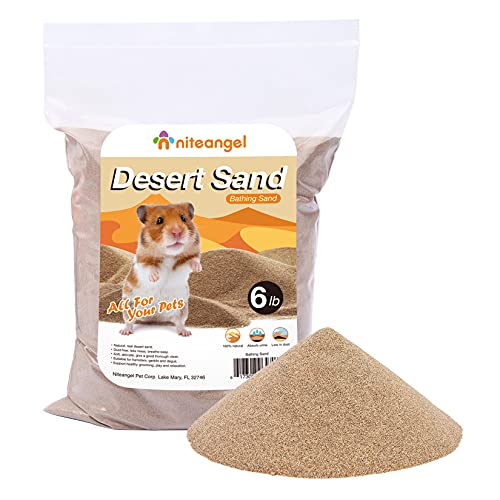
The best sand bath for gerbils is a shallow dish or dedicated container filled with washed, dust-extracted bathing sand, not chinchilla dust. A reptile or small-animal sand such as Zoo Med ReptiSand or Niteangel Hamster Desert Bath Sand works well, offered in a heavy dish big enough to roll and dig in. Skip anything sold as chinchilla dust or dust-bath powder, and skip calcium, scented, dyed, or clumping sands.
Why gerbils need a sand bath
Gerbils are desert animals that keep themselves clean by rolling in sand. The grains lift excess oil and loose dirt out of the coat and leave the fur soft and dry, which is why a sand bath counts as both hygiene and enrichment. Digging, kicking, and tunneling in the sand also give your gerbil a natural way to burn energy and show normal behavior, so most owners keep sand available regularly rather than only at a set bath time. A gerbil with no access to sand can develop a greasy, matted coat, so this is a real welfare need and not just a nice extra. It is one of the simplest things you can add to a gerbil setup.
What to look for
Choose sand that is washed and dust-extracted so it will not cloud the air when your gerbil digs. Fine grains, roughly play-sand texture, feel most natural for rolling and produce less airborne powder than very fine products. Use a heavy ceramic or glass dish, or a tall-sided container such as a sand bath tub, that is big enough for the gerbil to lie down and turn over in. Sukh Hamster Sand Bath and the Exo Terra Sand Mat cover the loose-sand and low-mess ends of the range, while a natural quartz option like Niteangel Hamster Desert Bath Sand suits owners who want a finer bathing sand. Scoop out soiled clumps regularly and top up as needed.
How we chose
We compared widely sold reptile and small-animal bathing sands and containers on grain size, dust level, and whether the ingredients are safe if a gerbil nibbles them. We favored natural, undyed, unscented, calcium-free sand, and dishes that resist tipping and give room to roll. Products marketed as chinchilla dust or dust-bath powder were ruled out because gerbils use sand, not fine dust. We also leaned toward options that are easy to sift and refill, since a clean bath matters as much as the sand itself for keeping a gerbil healthy over time.
What to avoid
Never use chinchilla dust or dust-bath powder for gerbils. That powder is far too fine and can settle in the airways and trigger respiratory harm, since gerbils are prone to breathing problems. Also avoid calcium-based sand, which can cause impaction if eaten, along with any scented, dyed, or clumping products and builders’ sand that has not been washed. Keep the bath dry and away from food and water so it does not turn into damp, dirty grit. If your gerbil sneezes, wheezes, clicks, or shows labored breathing after a bath, remove the sand and contact an exotic-pet vet.