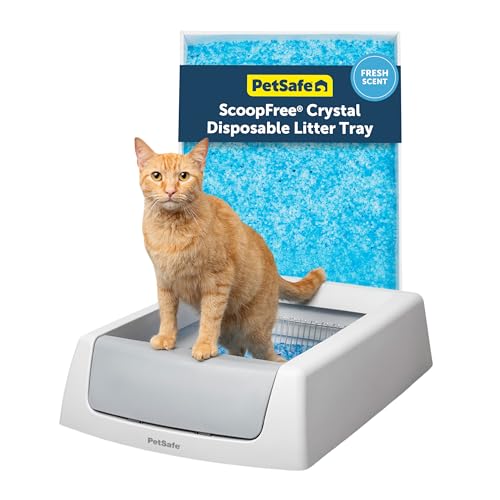
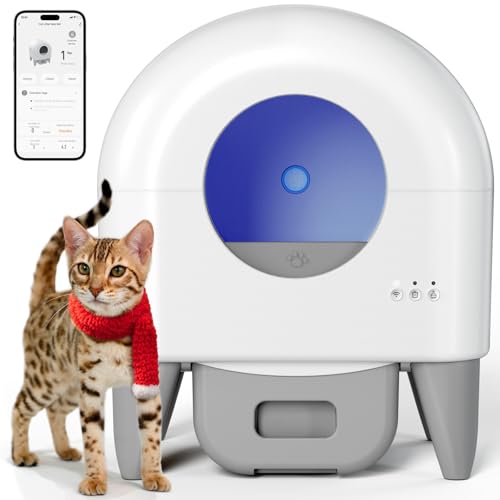
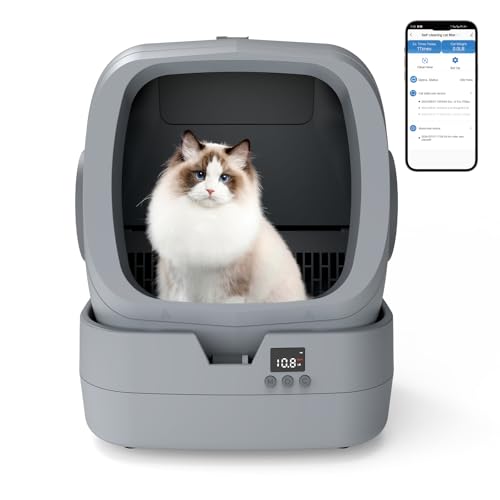
Living with cat allergies can be challenging, but a self-cleaning litter box can make a significant difference. We evaluated models that minimize airborne dander and dust, with sealed waste compartments to trap odors and allergens. Our testing focused on filtration efficiency, ease of cleaning, and overall allergen containment. Whether you need odor control or dust reduction, we have recommendations to help you breathe easier.
What matters most for allergies
When choosing a self-cleaning litter box for allergies, prioritise models with advanced filtration systems that trap allergens like dust and dander. Look for designs that minimise litter tracking, as loose particles can carry allergens into your home. Sealed waste compartments are essential to prevent odours and allergen escape, while low-dust or dust-free litter compatibility further reduces airborne irritants. These features matter because they create a cleaner environment, reducing allergy triggers for both you and your pet.
Avoid litter boxes with exposed waste disposal mechanisms or open designs that allow allergens to spread. Steer clear of models requiring high-maintenance cleaning, as residual waste particles can exacerbate allergies. Opt against systems using scented litters or harsh chemicals, as these can irritate sensitive respiratory systems. Prioritising these factors ensures a healthier space for allergy-prone households, benefiting both pet and owner.