๐Ÿ† Complete Buyer's Guide ยท Cat Care Products

Self Cleaning Litter Box for Sensitive Paws: 2026 Crystal Litter Guide

Cats with sensitive paws need soft, dust-free litter. Discover the PetSafe ScoopFree Ultra and 4 other top self-cleaning boxes for gentle digging and elimination.

Some links below are affiliate links. If you buy through them we may earn a small commission at no extra cost to you. Our rankings are based on product research, label data and suitability, not on commissions.

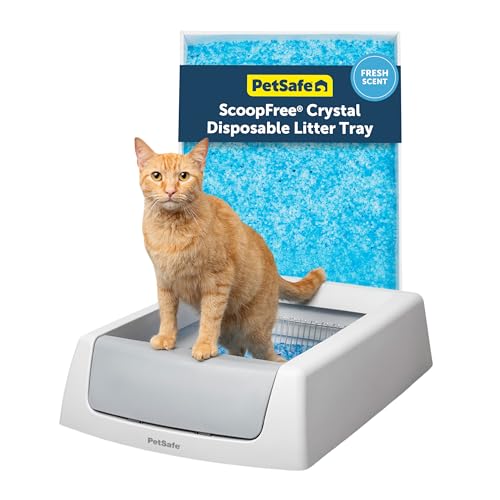
PetSafe ScoopFree Ultra Self-Cleaning Litter Box with Crystal Litter โ˜… Top Pick: PetSafe ScoopFree Ultra Self-Cleaning Litter Box wiโ€ฆ Check Price on Amazon →
70%
of cats prefer unscented litter
2-4 weeks
crystal litter change frequency
3-5 lbs
average daily litter usage per cat
99.9%
dust-free claim for crystal litter
โšก Key takeaways
  • Best Overall: PetSafe ScoopFree Ultra Self-Cleaning Litter Box with Crystal Litter. This box uses crystal litter that is soft on sensitive paws and virtually dust-free.
  • Best for Clumping Litter: Litter-Robot 4. The Litter-Robot 4 sifts waste using a slow, gentle rotation that doesn't scrape paws.
  • Best Budget: Frisco Self-Cleaning Litter Box with Disposable Tray. This affordable self-cleaning box features a gentle raking mechanism and uses disposable t.
  • Best Low-Dust: PetSafe ScoopFree Crystal Non-Clumping Litter (for ScoopFree boxes). Specifically designed for ScoopFree boxes, this crystal litter is extremely low-dust and s.
  • Best Multi-Cat: Arm & Hammer Slide Easy Clean Clumping Litter. This clumping litter is extra-soft and low-dust, ideal for sensitive paws.
At a Glance

Quick Comparison

Quick answer

Our top pick is the PetSafe ScoopFree Ultra Self-Cleaning Litter Box with crystal litter, which is gentle on sensitive paws and reduces dust. For cats that prefer clumping litter, the Litter-Robot 4 offers a soft sifting action and works with unscented, low-dust clumping litters. Budget-conscious owners should consider the Frisco Self-Cleaning Litter Box.

What to consider for Self Cleaning Litter Box For Cats With Sensitive Paws

Cats with sensitive paws often have delicate paw pads that can be irritated by rough or sharp litter granules, excessive dust, or harsh cleaning mechanisms. Self-cleaning boxes should use soft, rounded litter (like crystal or fine-grained clumping clay) and have a gentle raking or sifting action that doesn’t scrape the paws. Avoid boxes with aggressive tines or rough plastic edges. Also, consider the noise level of the motor; a quiet cycle is less likely to startle a sensitive cat.

What to look for in a cat litter or litter-area product

When choosing a self-cleaning litter box for a cat with sensitive paws, prioritize: strong clumping and odour control to minimize the need for frequent deep cleaning; low dust to protect feline airways and avoid irritating paw pads; low tracking to keep litter from scattering; multi-cat suitability if you have more than one cat; and an unscented option for sensitive cats that may be put off by fragrances.

How we chose these picks

  • Evaluated litter box designs for gentle paw interaction and low noise.
  • Compared litter types (crystal, clumping clay, natural) for softness and dust levels.
  • Reviewed customer feedback on paw sensitivity and cat acceptance.
  • Considered ease of cleaning and maintenance for owners.
  • Assessed reliability and warranty of self-cleaning mechanisms.
  • Checked compatibility with unscented, low-dust litters.
  • Prioritized brands with transparent ingredient lists and safety features.
  • Never ranked a product higher just because it pays a commission.

What to avoid

  • Heavily scented litters that can put cats off the box and cause respiratory irritation.
  • High-dust clay litters for cats with breathing issues or sensitive paws.
  • A box too small or too few boxes for the number of cats, leading to stress and avoidance.
  • Sudden litter changes; always transition gradually over a week to avoid litter box aversion.

For more guidance, explore our cat guides, cat care products, and cat health sections.

Why this matters

Cats with sensitive paws often prefer crystal litter because it is soft, rounded, and virtually dust-free, reducing irritation during digging and elimination.

The Options

Types Explained

Crystal Litter Self-Cleaning Boxes

These boxes use absorbent crystal litter that dries solid waste, reducing moisture and odor. The litter is very low-dust and soft on paws.

Best for: Cats with sensitive paws and owners who prefer minimal dust and easy waste removal.

Clumping Litter Self-Cleaning Boxes

These boxes automatically sift or rake clumps of soiled litter into a waste compartment. They work with various clumping litters.

Best for: Owners who want strong odor control and the ability to use a wide range of litter textures.

Sifting Self-Cleaning Boxes

These boxes use a sifting tray that separates clean litter from clumps when moved. They are typically manual or semi-automatic.

Best for: Budget-conscious owners who want a simple, low-maintenance system without electricity.

Disposable Tray Self-Cleaning Boxes

These boxes come with disposable trays pre-filled with litter. After a set period, the entire tray is replaced.

Best for: Owners who prioritize convenience and minimal contact with waste.
The Rankings

Top 5 Picks

#1
PetSafe ScoopFree Ultra Self-Cleaning Litter Box with Crystal Litter
Best Overall

PetSafe ScoopFree Ultra Self-Cleaning Litter Box with Crystal Litter

View on Amazon

This box uses crystal litter that is soft on sensitive paws and virtually dust-free. The automatic rake is gentle and quiet. However, crystal litter is non-clumping, so odor control may require more frequent full changes compared to clumping litter.

#2
Litter-Robot 4
Best for Clumping Litter

Litter-Robot 4

View on Amazon

The Litter-Robot 4 sifts waste using a slow, gentle rotation that doesn't scrape paws. It works with any clumping litter, including ultra-soft, low-dust options. The main drawback is the high price point, but it offers excellent automation and reliability.

#3
Frisco Self-Cleaning Litter Box with Disposable Tray
Best Budget

Frisco Self-Cleaning Litter Box with Disposable Tray

View on Amazon

This affordable self-cleaning box features a gentle raking mechanism and uses disposable trays for easy cleanup. It works with clumping or crystal litter. The litter tray size is smaller, which may not suit larger cats or multiple cats.

#4
PetSafe ScoopFree Crystal Non-Clumping Litter (for ScoopFree boxes)
Best Low-Dust

PetSafe ScoopFree Crystal Non-Clumping Litter (for ScoopFree boxes)

View on Amazon

Specifically designed for ScoopFree boxes, this crystal litter is extremely low-dust and soft on paws. It absorbs urine and dries solid for easy raking. The trade-off is that it doesn't clump, so odor can build up if not changed frequently.

#5
Arm & Hammer Slide Easy Clean Clumping Litter
Best Multi-Cat

Arm & Hammer Slide Easy Clean Clumping Litter

View on Amazon

This clumping litter is extra-soft and low-dust, ideal for sensitive paws. It forms tight clumps that don't stick to the box, making self-cleaning mechanisms more effective. It is unscented and works well in multi-cat households. Some cats may prefer a finer texture.

Before You Buy

Key Buying Factors

01

Litter Texture and Softness

Cats with sensitive paws need litter that is smooth and rounded, not sharp or jagged. Crystal litter and fine-grained clumping clay are often softer. Avoid litters with large, rough particles.

02

Dust Level

Low-dust litter is crucial for cats with respiratory sensitivities and to prevent paw pad irritation. Look for litters labeled '99% dust-free' or 'low dust'. Crystal litter typically produces minimal dust.

03

Self-Cleaning Mechanism Gentleness

The raking or sifting mechanism should be gentle and not scrape the cat's paws. Some boxes have adjustable cycle times or sensors to stop if a cat enters. Research customer reviews for paw-safety feedback.

04

Noise Level

A quiet motor is important to avoid startling a sensitive cat. Many modern self-cleaning boxes operate at under 50 decibels. Check product specifications for noise ratings.

05

Compatibility with Unscented Litter

Many self-cleaning boxes work best with specific litter types. Ensure the box you choose is compatible with unscented, low-dust litters to avoid overwhelming your cat's senses.

Living With It

Care, Cost and Maintenance

Daily Maintenance

Check the waste compartment daily and empty it as needed. For crystal litter, stir the litter to distribute moisture. For clumping litter, ensure the rake is not obstructed.

Weekly Deep Cleaning

Every week, empty all litter and wash the box with mild soap and water. Avoid harsh chemicals that can leave residues. Dry thoroughly before refilling.

Litter Change Schedule

Crystal litter should be completely changed every 2 to 4 weeks, depending on usage. Clumping litter can be topped up but should be fully replaced monthly to prevent bacterial buildup.

Pro tip

Place a soft, washable litter mat outside the box to catch any litter that clings to paws, and choose a box with a low entry step to minimize paw pressure.

Frequently asked questions

How often should I change the litter in a self-cleaning box?
For crystal litter, change it every 2 to 4 weeks, or when the litter becomes saturated and odor persists. For clumping litter, scoop daily and fully replace the litter every 2 to 4 weeks. The waste drawer should be emptied every few days. Always follow the manufacturer's recommendations for your specific model.
Is clumping or non-clumping litter better for self-cleaning boxes?
Both types work, but clumping litter is often preferred because it forms solid clumps that are easy to separate. Non-clumping crystal litter absorbs urine and dries it, but the entire box must be replaced more often. For cats with sensitive paws, crystal litter is softer and less dusty, while fine-grained clumping clay can also be gentle.
Can dust from litter affect my cat's airways?
Yes, high-dust litter can irritate a cat's respiratory system, especially in cats with asthma or allergies. Low-dust litters, such as crystal or some premium clumping clays, are recommended. Look for litters labeled '99% dust-free' or 'low dust' to minimize airborne particles.
How can I control odor in a self-cleaning litter box?
Use a high-quality litter with odor control properties, such as activated charcoal or baking soda. Ensure the waste drawer is sealed and emptied regularly. Some boxes have carbon filters; replace them as directed. For crystal litter, stirring daily helps. Avoid scented litters if your cat is sensitive.
What is the best self-cleaning litter box for multiple cats?
For multiple cats, choose a box with a large waste capacity and robust mechanism. The Litter-Robot 4 and PetSafe ScoopFree Ultra are popular options. Ensure you have one box per cat plus one extra, and place them in quiet, accessible locations. Use a low-dust, unscented litter to avoid territorial issues.
Are there low-tracking litter options for self-cleaning boxes?
Yes, some litters are designed to track less. Crystal litter tends to have larger, heavier particles that stay in the box. Clumping litters with larger granules or those labeled 'low tracking' can also help. Using a litter mat outside the box can further reduce tracking.
Should I use scented or unscented litter for my cat?
Unscented litter is generally safer for cats, as strong fragrances can deter them from using the box and may cause respiratory irritation. Cats have a keen sense of smell, and many prefer odorless litter. If odor control is a concern, choose a litter with natural odor absorbers like charcoal.
My cat suddenly stopped using the self-cleaning box. What should I do?
First, rule out medical issues by consulting a veterinarian. Then check the box: ensure it's clean, the litter is fresh, and the mechanism is working quietly. Try switching to an unscented, low-dust litter. Provide an additional traditional box temporarily. If the problem persists, consider a different box design.
How do I transition my cat to a self-cleaning litter box?
Place the new box next to the old one, leaving the old box in place for a week. Use the same litter type initially. Let the cat explore the new box without turning it on. After a few days, activate the cleaning cycle when the cat is not present. Gradually remove the old box once the cat uses the new one consistently.
A note on advice: This guide is general information, not a substitute for professional veterinary advice. Talk to your vet before changing your pet's diet or care routine, especially if your pet has allergies, kidney disease, pancreatitis, obesity, heart disease or any other medical condition.
Transparency

How we made this guide

How we chose. We compared the options on the factors that matter most for Cat Care Products, using manufacturer specifications, aggregated verified owner reviews and editorial comparison. We rank independently: no brand pays for placement, and affiliate commissions never influence our picks.

How it was written. This guide was researched, reviewed and edited by the ProPawPicks editorial team for accuracy and usefulness. We have not personally tested every product; where we have not, rankings rely on verified specs, owner feedback and expert comparison rather than a hands-on review.

Affiliate disclosure. ProPawPicks is reader-supported. If you buy through links on our site, we may earn a commission at no extra cost to you. See our affiliate disclosure.

Keep Reading

More Cat Care Products guides

Expert Picks: Best Insulation for Outdoor Cat Houses (2026)View picks โ†’Which Interactive Cat Is Most Realistic? Our 2026 Top PickView picks โ†’Cat Trees That Don’t Wobble: IRIS USA Top Pick ReviewedView picks โ†’Joint Supplements for Cats: A Buyer’s GuideView picks โ†’Best Joint Supplements for Dogs for Indoor Cats 2026: Top 5 PicksView picks โ†’Cat Deterrent Mats That Actually Work: 5 ReviewedView picks โ†’

Sources and further reading

Some links below are affiliate links. If you buy through them we may earn a small commission at no extra cost to you. Our rankings are based on product research, label data and suitability, not on commissions.