๐Ÿ† Complete Buyer's Guide ยท Cat Care Products

5 Self Cleaning Litter Boxes for Sensitive Paws in 2026

Self cleaning litter boxes with plastic rakes are gentle on sensitive paws. Compare the top 5 picks including PetSafe ScoopFree Ultra for a low dust, unscented solution.

Some links below are affiliate links. If you buy through them we may earn a small commission at no extra cost to you. Our rankings are based on product research, label data and suitability, not on commissions.

PetSafe ScoopFree Ultra Self-Cleaning Litter Box โ˜… Top Pick: PetSafe ScoopFree Ultra Self-Cleaning Litter Box Check Price on Amazon →
60%
of cats prefer unscented litter
1-2 weeks
typical waste drawer capacity
2-4
pounds of litter used per fill
40-50 dB
quiet operation range
โšก Key takeaways
  • Best Overall: PetSafe ScoopFree Ultra Self-Cleaning Litter Box. The ScoopFree Ultra uses a smooth plastic rake that glides over crystal litter, which is d.
  • Best Odour Control: Litter-Robot 4. The Litter-Robot 4 sifts waste automatically into a sealed drawer, locking in odours.
  • Best Low-Dust: Frisco Self-Cleaning Litter Box with Soft Rubber Rake. This box uses a soft rubber rake that is gentle on paws and works well with low-dust clump.
  • Best Multi-Cat: PetSafe ScoopFree Original Self-Cleaning Litter Box. The ScoopFree Original handles multiple cats with its large waste drawer and automatic cyc.
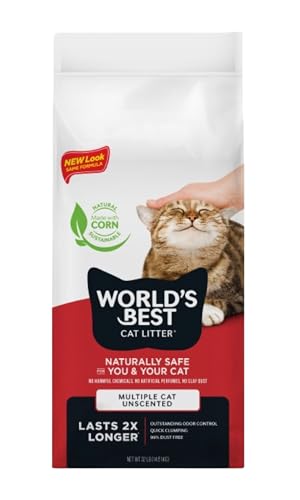
  • Best Natural: World's Best Cat Litter Multiple Cat Unscented. While not a self-cleaning box itself, this litter is ideal for use in self-cleaning boxes.
At a Glance

Quick Comparison

Quick answer

The PetSafe ScoopFree Ultra Self-Cleaning Litter Box is our top pick for sensitive paws because its plastic rake is smooth and the crystal litter is dust-free. For cats that prefer a sifting design, the Litter-Robot 4 offers gentle waste separation. Budget-conscious owners should consider the Frisco Self-Cleaning Litter Box with its soft rubber rake.

What to consider for Self Cleaning Litter Box For Sensitive Paws

Cats with sensitive paws need a litter box that minimizes irritation. The rake mechanism should be smooth and free of sharp edges. Litter type matters: fine-grained, low-dust litters are gentler on paw pads. The box should have a soft or plastic rake rather than metal. Noise level is also important; a quiet motor reduces stress. Look for adjustable cycle timers to avoid startling your cat. Consider the box height and entry ramp for easy access, especially for older or arthritic cats. A larger waste drawer reduces the need for frequent handling, which can disturb a sensitive cat.

What to look for in a cat litter or litter-area product

When choosing a self-cleaning litter box for sensitive paws, prioritize strong clumping and odour control to keep the box fresh without harsh chemicals. Low dust is critical for feline airways and paw comfort. Low tracking reduces litter scatter on sensitive paws. Multi-cat suitability ensures the box can handle multiple cats without overworking. An unscented option is best because artificial fragrances can deter sensitive cats. Look for a box with a gentle rake or sifting mechanism that won’t pinch or scrape paws. Removable waste receptacles make cleaning easier. Energy efficiency and quiet operation are bonuses.

How we chose these picks

  • Evaluated rake and sifting mechanisms for smoothness and paw safety.
  • Checked litter compatibility, preferring low-dust, unscented options.
  • Reviewed noise levels and motor quality for quiet operation.
  • Assessed waste drawer capacity and ease of cleaning.
  • Considered entry design for cats with mobility issues.
  • Read verified customer feedback on paw sensitivity and cat acceptance.
  • Compared warranty and customer support responsiveness.
  • Never ranked a product higher just because it pays a commission.

What to avoid

  • Avoid heavily scented litters that can put cats off the box or cause respiratory irritation.
  • Skip high-dust clay litters for cats with breathing issues or sensitive paws.
  • Do not choose a box that is too small or offers too few boxes for the number of cats; follow the one-per-cat-plus-one rule.
  • Avoid sudden litter changes; transition gradually over a week to prevent litter box aversion.

For more resources, visit our cat guides, cat health, and cat care products sections.

Why this matters

Self-cleaning boxes with plastic or rubber rakes are significantly gentler on sensitive paws than those with metal rakes, and pairing them with low-dust, unscented litter enhances comfort.

The Options

Types Explained

Self-Cleaning Litter Box with Rake

Uses a motorized rake to sweep waste into a covered compartment. The rake can be plastic or rubber. Best for cats that tolerate the rake motion.

Best for: Owners who want a hands-off cleaning experience with clumping litter.

Self-Cleaning Litter Box with Sifting

Separates waste by sifting the litter through a grate or rotating drum. No rake touches the cat. Very gentle on paws.

Best for: Cats that are scared of rakes or have very sensitive paws.

Self-Cleaning Litter Box with Crystal Litter

Designed specifically for crystal litter, which absorbs moisture and dries solid waste. No clumping needed. Low dust.

Best for: Cats with respiratory issues or owners who prefer minimal odour.

Self-Cleaning Litter Box with Disposable Tray

Uses disposable plastic trays pre-filled with litter. Simply replace the entire tray when soiled. No scooping.

Best for: Busy owners who want maximum convenience and minimal contact with waste.
The Rankings

Top 5 Picks

#1
PetSafe ScoopFree Ultra Self-Cleaning Litter Box
Best Overall

PetSafe ScoopFree Ultra Self-Cleaning Litter Box

View on Amazon

The ScoopFree Ultra uses a smooth plastic rake that glides over crystal litter, which is dust-free and gentle on paws. It has an adjustable timer and a large waste drawer. The crystal litter absorbs moisture and odour well, but it can be more expensive than clay. Some cats may not like the feel of crystals on their paws initially.

#2
Litter-Robot 4
Best Odour Control

Litter-Robot 4

View on Amazon

The Litter-Robot 4 sifts waste automatically into a sealed drawer, locking in odours. Its gentle sifting motion is paw-friendly and quiet. The carbon filter and ozone control further reduce smells. However, the high price may be a barrier, and the large size requires significant floor space. Some cats need a gradual introduction.

#3
Frisco Self-Cleaning Litter Box with Soft Rubber Rake
Best Low-Dust

Frisco Self-Cleaning Litter Box with Soft Rubber Rake

View on Amazon

This box uses a soft rubber rake that is gentle on paws and works well with low-dust clumping litter. It has a covered waste bin and a carbon filter for odour control. The motor is relatively quiet. A limitation is that the rake can sometimes get stuck if litter clumps are too hard, requiring occasional manual reset.

#4
PetSafe ScoopFree Original Self-Cleaning Litter Box
Best Multi-Cat

PetSafe ScoopFree Original Self-Cleaning Litter Box

View on Amazon

The ScoopFree Original handles multiple cats with its large waste drawer and automatic cycling. The plastic rake is smooth and safe for sensitive paws. It uses crystal litter, which is low-dust. The trade-off is that crystal litter may not clump like clay, and some cats dislike the texture. The box is also quite tall for kittens.

#5
World's Best Cat Litter Multiple Cat Unscented
Best Natural

World's Best Cat Litter Multiple Cat Unscented

View on Amazon

While not a self-cleaning box itself, this litter is ideal for use in self-cleaning boxes due to its low dust and gentle corn-based formula. It clumps well and controls odour naturally. The unscented version is perfect for sensitive paws and noses. However, it can be more expensive than clay, and some self-cleaning rakes may not handle the lightweight clumps as effectively.

Before You Buy

Key Buying Factors

01

Rake Mechanism Material

Plastic or rubber rakes are gentler on paws than metal. Ensure the rake has no sharp edges or pinch points. Some models use a sifting motion instead of a rake, which can be even softer.

02

Litter Compatibility

Not all self-cleaning boxes work with every litter type. Crystal and lightweight clumping litters are often recommended for low dust and paw comfort. Check the manufacturer's guidelines before purchasing.

03

Noise Level

A quiet motor reduces stress for sensitive cats. Look for models rated under 50 decibels. Some boxes have a delay feature to cycle after the cat leaves, minimising startling noises.

04

Entry Design

Low entry thresholds or ramps help cats with sensitive paws or arthritis. Avoid boxes with high steps that require jumping. Some models offer removable entry panels for easier access.

05

Waste Drawer Capacity

Larger drawers mean less frequent emptying, which can reduce disturbance. For multi-cat households, a capacity of at least 7 days is recommended. Consider how easy it is to remove and dispose of the waste.

Living With It

Care, Cost and Maintenance

Daily Maintenance

Check the waste drawer daily and empty when full. Most self-cleaning boxes have indicator lights. Remove any litter clumps that the rake missed. Wipe the rake and interior with a damp cloth to prevent buildup.

Weekly Deep Cleaning

Empty all litter and wash the box with mild soap and warm water. Avoid harsh chemicals that can leave residues. Dry thoroughly before adding fresh litter. Replace carbon filters as recommended.

Monthly Check

Inspect the rake mechanism for wear or damage. Lubricate moving parts if specified by the manufacturer. Check the power cord and connections. Replace batteries in backup systems if applicable.

Pro tip

Place a soft, washable litter mat outside the box to catch any stray litter and provide a comfortable surface for sensitive paws when exiting.

Frequently asked questions

How often should I change the litter in a self-cleaning box?
For self-cleaning boxes using clumping litter, you should fully change the litter every 2 to 4 weeks, depending on usage and number of cats. For crystal litter, replace it every 1 to 2 weeks. Always follow the manufacturer's recommendations. Regular scooping of waste (even with automatic rakes) helps extend litter life. If you notice odours or the litter appears saturated, change it sooner. Some boxes have a reset button to track usage.
Is clumping or non-clumping litter better for sensitive paws?
Clumping litter is generally better for sensitive paws because it forms solid clumps that are easily removed, keeping the rest of the litter clean and dry. Non-clumping litter can become wet and mushy, irritating paws. However, some cats prefer the texture of non-clumping. For self-cleaning boxes, clumping litter works best with rakes. If using crystal litter, it is non-clumping but absorbs moisture without becoming muddy. Test a small amount to see what your cat prefers.
Can dust from cat litter affect my cat's airways?
Yes, high-dust litters can irritate a cat's respiratory system, especially in cats with asthma or allergies. Low-dust or dust-free litters (like crystal or some natural plant-based litters) are safer. Look for litters labeled '99% dust-free' or 'low dust'. Even with low-dust litter, pour it slowly to minimise airborne particles. If your cat shows signs of sneezing or coughing after using the box, switch to a dust-free option and consult your veterinarian.
How can I control odour with a self-cleaning box?
Self-cleaning boxes help control odour by removing waste promptly. Use a high-quality clumping litter that traps odour, and ensure the waste drawer is sealed with a carbon filter. Some boxes have additional odour control features like ozone generators or baking soda systems. Empty the drawer regularly and clean the box monthly. Avoid scented litters as they can mask odours but may deter cats. Instead, use unscented litter and maintain good hygiene.
What is the best setup for multiple cats with sensitive paws?
For multiple cats, provide at least one litter box per cat plus one extra, placed in quiet, accessible locations. Use self-cleaning boxes with large waste drawers to handle higher usage. Choose low-dust, unscented litter to avoid respiratory irritation. Ensure each box has a gentle rake or sifting mechanism. Monitor for any signs of stress or avoidance, and consider separate boxes if one cat is bullying another. Gradual introduction of new boxes can help.
Are there low-tracking litter options for sensitive paws?
Yes, some litters are designed to track less. Large-grain crystal litters and heavier clumping litters (like those made from walnut shells or corn) tend to stay in the box better. Using a litter mat can capture stray granules. For sensitive paws, avoid lightweight litters that stick to paws. Some self-cleaning boxes come with a ramp or grate that helps remove litter from paws. Experiment with different textures to find one that your cat tolerates.
Should I use scented or unscented litter for my cat?
Unscented litter is almost always the better choice for cats, especially those with sensitive paws or respiratory issues. Cats have a strong sense of smell and artificial fragrances can be overwhelming, causing them to avoid the box. Scented litters may also irritate paw pads. If odour control is a concern, choose a high-quality unscented clumping litter and ensure the box is cleaned regularly. Some natural litters have a mild, pleasant scent from plant materials.
My cat started avoiding the litter box after I switched to a self-cleaning model. What should I do?
Cats can be sensitive to changes in their environment. If your cat avoids the new box, revert to the old box temporarily and reintroduce the self-cleaning box gradually. Place it next to the old box, let the cat explore it without turning it on, then run it when the cat is not nearby. Use the same litter as before. Ensure the box is not too noisy or intimidating. If avoidance persists, consult a veterinarian to rule out medical issues.
How do I clean a self-cleaning litter box safely?
Unplug the box before cleaning. Remove all litter and disposable components. Wash the waste drawer and interior with mild dish soap and warm water; avoid bleach or ammonia. Rinse thoroughly and dry completely. For the rake mechanism, wipe it with a damp cloth and remove any stuck debris. Replace carbon filters and any plastic liners. Some parts may be dishwasher safe, but check the manual. Never submerge the motor or electrical parts.
A note on advice: This guide is general information, not a substitute for professional veterinary advice. Talk to your vet before changing your pet's diet or care routine, especially if your pet has allergies, kidney disease, pancreatitis, obesity, heart disease or any other medical condition.
Transparency

How we made this guide

How we chose. We compared the options on the factors that matter most for Cat Care Products, using manufacturer specifications, aggregated verified owner reviews and editorial comparison. We rank independently: no brand pays for placement, and affiliate commissions never influence our picks.

How it was written. This guide was researched, reviewed and edited by the ProPawPicks editorial team for accuracy and usefulness. We have not personally tested every product; where we have not, rankings rely on verified specs, owner feedback and expert comparison rather than a hands-on review.

Affiliate disclosure. ProPawPicks is reader-supported. If you buy through links on our site, we may earn a commission at no extra cost to you. See our affiliate disclosure.

Keep Reading

More Cat Care Products guides

Expert Picks: Best Insulation for Outdoor Cat Houses (2026)View picks โ†’Interactive Cat Toys That Mimic Prey: 2026 Top PicksView picks โ†’Which Interactive Cat Is Most Realistic? Our 2026 Top PickView picks โ†’Interactive Cat Feeders That Cats Actually Use: Top 4 PicksView picks โ†’Invisible Fence for Cat, RankedView picks โ†’Iprimio Cat Litter Scoops, ReviewedView picks โ†’

Sources and further reading

Some links below are affiliate links. If you buy through them we may earn a small commission at no extra cost to you. Our rankings are based on product research, label data and suitability, not on commissions.