๐Ÿ† Complete Buyer's Guide ยท Cat Care Products

5 Self Cleaning Litter Boxes for Small Apartments: 2026 Buyer’s Guide

Self-cleaning litter boxes cut daily scooping by 90% when paired with the right litter. We compare 5 top picks including PetSafe ScoopFree Ultra for small apartments.

Some links below are affiliate links. If you buy through them we may earn a small commission at no extra cost to you. Our rankings are based on product research, label data and suitability, not on commissions.

PetSafe ScoopFree Ultra Self-Cleaning Litter Box โ˜… Top Pick: PetSafe ScoopFree Ultra Self-Cleaning Litter Box Check Price on Amazon →
2.5 sq ft
Average footprint
7 to 14 days
Waste bin capacity
30 to 50 dB
Noise level
$150 to $700
Price range
โšก Key takeaways
  • Best Overall: PetSafe ScoopFree Ultra Self-Cleaning Litter Box. The PetSafe ScoopFree Ultra offers a compact design ideal for small apartments, with a dis.
  • Best Budget: Frisco Self-Cleaning Litter Box. The Frisco Self-Cleaning Litter Box provides automatic scooping at an affordable price, wi.
  • Best Premium: Litter-Robot 4. The Litter-Robot 4 is a high-capacity, self-cleaning unit that uses a sifting cycle to sep.
  • Best Odor Control: PetSafe ScoopFree Crystal Self-Cleaning Litter Box. This model uses crystal litter that absorbs urine and dries solid waste, effectively contr.
  • Best Manual Self-Cleaning: Omega Paw Elite Roll-N-Clean Self-Cleaning Litter Box. The Omega Paw Elite uses a simple rolling mechanism to sift waste into a drawer, requiring.
At a Glance

Quick Comparison

Quick answer

The PetSafe ScoopFree Ultra Self-Cleaning Litter Box is our top pick for small apartments because its compact design fits tight spaces, and the disposable tray system makes cleanup effortless. For those on a budget, the Frisco Self-Cleaning Litter Box offers similar convenience at a lower price, while the Litter-Robot 4 provides premium features but requires more floor space.

What to consider for Self Cleaning Litter Box For Small Apartments

In a small apartment, space is at a premium, so you need a litter box that is compact yet effective. Look for models with a small footprint (ideally under 2.5 square feet) and a low profile to fit under furniture or in a corner. Odor control is critical in tight quarters, so choose a box with a sealed waste drawer or carbon filter. Noise level also matters: a quiet motor ensures it won’t disturb your living or sleeping area. Finally, consider how often you need to empty the waste bin; a larger bin means less frequent maintenance, but it may increase the overall size.

What to look for in a cat litter or litter-area product

When selecting a self-cleaning litter box, prioritize strong clumping and odor control to keep your apartment fresh. Low-dust litter is important for feline respiratory health, especially in small, enclosed spaces. Look for low-tracking litter to minimize mess on floors. If you have multiple cats, ensure the box can handle the load and has a large enough waste bin. Unscented options are best for sensitive cats who may avoid strongly perfumed boxes.

How we chose these picks

  • Evaluated product dimensions and footprint to ensure they fit small apartments.
  • Compared waste bin capacity and frequency of emptying needed.
  • Assessed odor control features such as carbon filters and sealed lids.
  • Reviewed noise levels reported in user feedback.
  • Considered ease of setup and maintenance, including tray disposal.
  • Checked compatibility with different litter types (clumping, crystal, etc.).
  • Analyzed price-to-feature ratio for budget-conscious buyers.
  • Never ranked a product higher just because it pays a commission.

What to avoid

  • Heavily scented litters that may deter cats from using the box.
  • High-dust clay litters that can aggravate feline asthma or allergies.
  • A litter box that is too small for your cat to turn around comfortably.
  • Sudden changes in litter type or box location, which can cause litter box aversion.

For more guidance, explore our cat guides, cat care products, and cat health resources.

Why this matters

Self-cleaning litter boxes can reduce daily scooping by up to 90%, but their effectiveness depends on choosing the right litter type and maintaining the waste bin regularly to prevent odor buildup.

The Options

Types Explained

Self-Cleaning Litter Boxes

Automatic boxes that rake or sift waste into a sealed bin after each use. They require clumping litter and electricity. Ideal for busy owners who want minimal daily scooping.

Best for: Owners who want convenience and are willing to spend more upfront.

Disposable Tray Systems

Boxes that use disposable trays filled with crystal litter. Waste is absorbed and odor locked in. Trays are replaced every few weeks. No scooping or electricity needed.

Best for: Small apartments where odor control is a top priority and owners prefer low maintenance.

Manual Self-Cleaning Boxes

Non-electric boxes that use a rolling or sifting mechanism to separate waste. They require manual operation but are affordable and compact.

Best for: Budget-conscious owners who don't mind a bit of manual effort.

High-Tech Smart Litter Boxes

WiFi-enabled boxes with app control, health monitoring, and multiple sensors. They offer the highest level of automation but are expensive and larger.

Best for: Tech-savvy owners who want detailed insights and have ample space.
The Rankings

Top 5 Picks

#1
PetSafe ScoopFree Ultra Self-Cleaning Litter Box
Best Overall

PetSafe ScoopFree Ultra Self-Cleaning Litter Box

View on Amazon

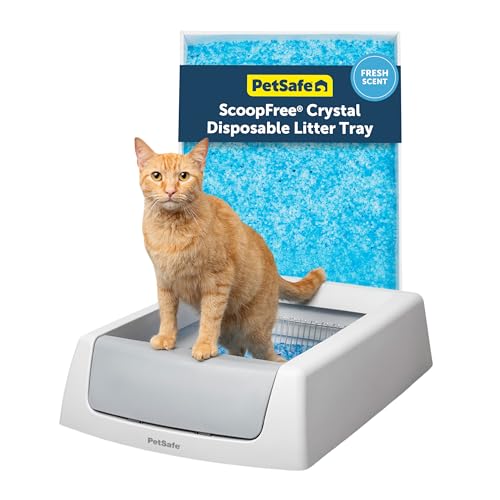
The PetSafe ScoopFree Ultra offers a compact design ideal for small apartments, with a disposable crystal tray that locks in odor and requires no scooping for weeks. Its automatic rake cycles after each use, and the hooded design reduces tracking. One limitation is that it only works with crystal litter, which some cats may not prefer.

#2
Frisco Self-Cleaning Litter Box
Best Budget

Frisco Self-Cleaning Litter Box

View on Amazon

The Frisco Self-Cleaning Litter Box provides automatic scooping at an affordable price, with a rake that sifts waste into a covered compartment. Its compact size fits small spaces, and it uses standard clumping litter. However, the waste bin is relatively small and may need emptying every few days for multiple cats.

#3
Litter-Robot 4
Best Premium

Litter-Robot 4

View on Amazon

The Litter-Robot 4 is a high-capacity, self-cleaning unit that uses a sifting cycle to separate waste. It has a large waste drawer and works with any clumping litter. Its footprint is larger than others, so it may not suit the tightest spaces. It is also the most expensive option, but offers app connectivity and quiet operation.

#4
PetSafe ScoopFree Crystal Self-Cleaning Litter Box
Best Odor Control

PetSafe ScoopFree Crystal Self-Cleaning Litter Box

View on Amazon

This model uses crystal litter that absorbs urine and dries solid waste, effectively controlling odor for up to 30 days per tray. It is compact and has a low profile. The trade-off is that crystal litter can be less comfortable for some cats and is more expensive than clay litter.

#5
Omega Paw Elite Roll-N-Clean Self-Cleaning Litter Box
Best Manual Self-Cleaning

Omega Paw Elite Roll-N-Clean Self-Cleaning Litter Box

View on Amazon

The Omega Paw Elite uses a simple rolling mechanism to sift waste into a drawer, requiring no electricity or batteries. It is very compact and lightweight, making it easy to place in small apartments. However, it requires manual rolling and may not be as convenient as fully automatic models.

Before You Buy

Key Buying Factors

01

Size and Footprint

Measure the available space in your apartment. Look for boxes under 2.5 square feet that can fit in corners or under furniture. Consider height if you plan to place it under a desk or table.

02

Waste Disposal Method

Self-cleaning boxes use either disposable trays (crystal litter) or a rake system that deposits waste into a bin. Disposable trays are convenient but create more waste. Rake systems require clumping litter and periodic bin emptying.

03

Odor Control Features

In small spaces, odor control is crucial. Look for boxes with carbon filters, sealed waste compartments, or deodorizing crystals. Some models have a charcoal filter that needs replacement every few months.

04

Noise Level

Automatic boxes produce noise during cleaning cycles. Check decibel ratings or user reviews for quiet operation. Some models have a silent mode or can be set to clean while you are away.

05

Litter Compatibility

Not all self-cleaning boxes work with any litter. Crystal litter boxes require specific crystal litter. Rake systems need clumping litter that forms hard clumps. Ensure your preferred litter is compatible to avoid malfunctions.

Living With It

Care, Cost and Maintenance

Daily Maintenance

Even with self-cleaning boxes, check the waste bin daily to ensure it is not full. For rake-type boxes, occasionally check that the rake path is clear of obstructions. Wipe down the interior with a mild cleaner weekly.

Litter Replacement

For crystal litter boxes, replace the entire tray every 2 to 4 weeks depending on usage. For clumping litter boxes, fully dump and clean the box monthly, then refill with fresh litter. Always follow the manufacturer's instructions.

Filter and Part Replacement

Carbon filters should be replaced every 2 to 3 months to maintain odor control. Check the rake or sifting mechanism for wear and tear. Keep spare parts on hand to avoid downtime.

Pro tip

Place a litter mat outside the box to catch tracking, and consider using an air purifier nearby to keep the air fresh in your small apartment.

Frequently asked questions

How often should I change the litter in a self-cleaning box?
For crystal litter boxes with disposable trays, replace the tray every 2 to 4 weeks depending on the number of cats and usage. For clumping litter boxes, you should fully dump and clean the box monthly, then refill with fresh litter. The self-cleaning mechanism removes waste daily, but the litter itself needs periodic replacement to prevent odor buildup and maintain hygiene.
Is clumping or non-clumping litter better for self-cleaning boxes?
Clumping litter is generally better for self-cleaning boxes that use a rake or sifting mechanism, because it forms solid clumps that can be easily removed. Non-clumping litter absorbs moisture but does not form clumps, which can clog the rake or fail to separate waste effectively. Some disposable tray systems use crystal litter, which is non-clumping but absorbs urine and dries solid waste. Always check your box's recommended litter type.
Can dust from litter affect my cat's respiratory health?
Yes, high-dust litters can irritate a cat's respiratory system, especially in small, poorly ventilated spaces. Cats with asthma or allergies are particularly sensitive. Look for low-dust or dust-free litters, such as those made from paper, wood, or certain clays that are processed to reduce dust. If your cat shows signs of sneezing or coughing, switch to a low-dust option and consult your veterinarian.
How can I control odor in a small apartment with a self-cleaning box?
Choose a box with a sealed waste compartment and a carbon filter to trap odors. Use a high-quality clumping litter or crystal litter designed for odor control. Place the box in a well-ventilated area, but avoid drafty spots. Empty the waste bin regularly, and clean the box monthly. Consider an air purifier near the litter box to further reduce odors.
What is the best self-cleaning litter box for multiple cats in a small apartment?
For multiple cats, you need a box with a large waste bin to handle more waste. The Litter-Robot 4 has a large drawer that can go up to a week for one cat, but with multiple cats you may need to empty it every few days. The PetSafe ScoopFree Ultra also has a large tray. Ensure the box is sturdy and has enough space for each cat to enter and exit comfortably. Some cats may prefer separate boxes, so consider having two if space allows.
Are there low-tracking litter options for self-cleaning boxes?
Yes, some litters are formulated to reduce tracking. Crystal litters tend to track less than fine-grained clumping litters. Large-grain clumping litters or those made from recycled paper also track less. Using a litter mat outside the box can capture loose particles. Additionally, some self-cleaning boxes have a ramp or textured step that helps remove litter from paws.
Should I use scented or unscented litter in a self-cleaning box?
Unscented litter is generally recommended because many cats are sensitive to strong fragrances and may avoid the box. Scented litters can mask odors but may cause respiratory irritation or deter use. If you prefer scented, choose a mild, natural scent like lavender or citrus, and monitor your cat's reaction. The self-cleaning mechanism itself helps control odor, so unscented litter is often sufficient.
My cat is not using the new self-cleaning litter box. What should I do?
Cats can be wary of new, noisy boxes. Place the new box next to the old one and let your cat explore it without turning it on. Gradually introduce the cleaning cycle while your cat is nearby but not inside. Use familiar litter initially. Ensure the box is clean and odor-free. If the problem persists, consult a veterinarian or a certified cat behaviorist to rule out medical issues or stress.
How do I clean a self-cleaning litter box properly?
Unplug the unit and remove any remaining litter. Disassemble removable parts like the waste bin, rake, and tray. Wash them with warm water and mild dish soap. Avoid harsh chemicals that may leave residues. Dry thoroughly before reassembling. For crystal trays, simply dispose and replace. Clean the interior of the box with a pet-safe disinfectant. Replace carbon filters as recommended.
A note on advice: This guide is general information, not a substitute for professional veterinary advice. Talk to your vet before changing your dog's diet or care routine, especially if your dog has allergies, kidney disease, pancreatitis, obesity, heart disease or any other medical condition.
Transparency

How we made this guide

How we chose. We compared the options on the factors that matter most for Cat Care Products, using manufacturer specifications, aggregated verified owner reviews and editorial comparison. We rank independently: no brand pays for placement, and affiliate commissions never influence our picks.

How it was written. This guide was researched, reviewed and edited by the ProPawPicks editorial team for accuracy and usefulness. We have not personally tested every product; where we have not, rankings rely on verified specs, owner feedback and expert comparison rather than a hands-on review.

Affiliate disclosure. ProPawPicks is reader-supported. If you buy through links on our site, we may earn a commission at no extra cost to you. See our affiliate disclosure.

Keep Reading

More Cat Care Products guides

Interactive Cat Toys That Mimic Prey: 2026 Top PicksView picks โ†’Interactive Cat Feeders That Cats Actually Use: 2026 Top 4View picks โ†’Indoor cat fences: best invisible dog fence for cats in 2026View picks โ†’Cat Trees That Don’t Wobble: IRIS USA Top Pick ReviewedView picks โ†’Jewelry Monster Friend Cat Necklaces: What to Look ForView picks โ†’Joint Relief for Cats That DeliverView picks โ†’

Sources and further reading

Some links below are affiliate links. If you buy through them we may earn a small commission at no extra cost to you. Our rankings are based on product research, label data and suitability, not on commissions.