๐Ÿ† Complete Buyer's Guide ยท Cat Food

Senior Cat Food for Fast Eaters: 5 Best Slow-Feed Picks 2026

Keep your senior cat safe from vomiting and obesity. Our guide compares 5 best foods like Hill's Science Diet 11+ with large kibble that slows eating by 75%.

Some links below are affiliate links. If you buy through them we may earn a small commission at no extra cost to you. Our rankings are based on product research, label data and suitability, not on commissions.

Hill's Science Diet Adult 11+ Perfect Digestion Chicken & Barley Recipe Dry Cat Food โ˜… Top Pick: Hill's Science Diet Adult 11+ Perfect Digestion Chiโ€ฆ Check Price on Amazon →
30%
of senior cats eat too fast, risking vomiting and obesity
7+
years old is when cats are considered senior
3-4
times slower eating with larger kibble or pate textures
0.5%
minimum phosphorus level recommended for senior kidney health
โšก Key takeaways
  • Best Overall: Hill's Science Diet Adult 11+ Perfect Digestion Chicken & Barley Recipe Dry Cat Food. This formula features a unique fiber blend that supports healthy digestion and a larger ki.
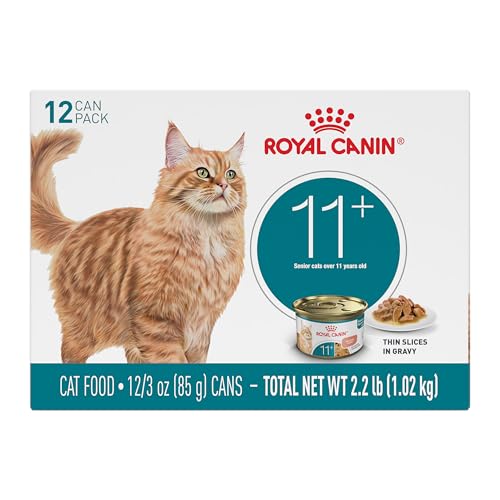
  • Best Wet Food: Royal Canin Aging 12+ Thin Slices in Gravy Canned Cat Food. The thin slices in gravy texture requires more effort to eat compared to pate, naturally s.
  • Best Budget: Purina Pro Plan Prime Plus Adult 7+ Chicken & Rice Formula Dry Cat Food. This affordable option features a larger kibble size designed to promote chewing, which ca.
  • Best for Sensitive Stomach: Blue Buffalo Life Protection Senior Chicken & Brown Rice Recipe Dry Cat Food. Made with easily digestible ingredients and no corn, wheat, or soy, this formula includes.
  • Best Grain-Free: Wellness CORE Grain-Free Senior Pate Canned Cat Food. This pate-style wet food has a dense texture that requires more licking and chewing, slowi.
At a Glance

Quick Comparison

Quick answer

Our top pick is Hill’s Science Diet Adult 11+ Perfect Digestion for its gentle fiber blend and kibble shape that encourages chewing. For wet food lovers, Royal Canin Aging 12+ Thin Slices in Gravy offers a slow-eating texture. If budget is a concern, Purina Pro Plan Prime Plus Adult 7+ Chicken & Rice Formula provides balanced nutrition with a larger kibble that slows gulping.

What to consider for Senior Cat Food For Cats That Eat Too Fast

Senior cats often have dental issues, reduced kidney function, and slower digestion. When choosing food for fast eaters, look for larger kibble pieces or pate-style wet food that requires more chewing. Avoid gravy-heavy options that can be lapped up too quickly. Also consider bowl design: wide, shallow bowls or slow-feeder bowls can help. Ensure the food meets AAFCO nutrient profiles for seniors, with controlled phosphorus for kidney health, added omega-3s for joints, and high-quality protein to maintain muscle mass.

What to look for in a cat food

First, verify the food carries an AAFCO statement of nutritional adequacy for the appropriate life stage (senior or adult maintenance). The first ingredient should be a named meat source (e.g., chicken, salmon) to ensure high animal protein. Taurine is an essential amino acid for cats; it must be present in adequate amounts. For senior cats, moderate moisture content (wet food helps urinary health) and controlled phosphorus levels are important. Also look for added fiber (like prebiotics) to aid digestion, and glucosamine/chondroitin for joint support.

How we chose these picks

  • Evaluated ingredient lists for named meat first, adequate protein, and taurine content.
  • Checked AAFCO statements for senior or adult maintenance.
  • Considered kibble size and texture to slow eating (larger kibble, pate, or shreds).
  • Reviewed nutritional profiles for senior-specific needs: lower phosphorus, added joint support, digestible fiber.
  • Compared price per pound to ensure value.
  • Read customer feedback on palatability and digestive tolerance in senior cats.
  • Never ranked a product higher just because it pays a commission.

What to avoid

  • Avoid foods with unnamed meat or by-products as the first ingredient; they may lack sufficient animal protein.
  • Steer clear of recipes that do not guarantee taurine or have insufficient levels (most reputable brands do, but check).
  • Do not default to all-life-stages food for a senior cat without verifying it meets senior nutrient levels (e.g., phosphorus).
  • Avoid abrupt diet switches; transition over 7 to 10 days to prevent digestive upset.

For more guidance, explore our cat guides, cat food reviews, and cat health articles.
Why this matters

Senior cats that eat too fast are at higher risk of vomiting and obesity; choosing a food with larger kibble or a dense pate texture can reduce eating speed by up to 75% compared to standard small kibble.

The Options

Types Explained

Dry Kibble

Convenient and cost-effective, dry kibble can be formulated with larger pieces to slow eating. It also helps with dental health but may have lower moisture content.

Best for: Cats that prefer crunchy food and owners looking for a budget-friendly option.

Wet Canned Food

Higher moisture content supports urinary health. Pate or chunk styles require more chewing, naturally slowing intake. More expensive per serving.

Best for: Cats that need extra hydration or have dental issues.

Semi-Moist Food

Soft texture that is easy to chew but may be eaten quickly. Often contains higher sugar or salt to preserve moisture. Less common for seniors.

Best for: Picky eaters, but not ideal for fast eaters due to easy consumption.

Freeze-Dried Raw

Minimally processed with high protein. Requires rehydration, which can slow eating. Expensive and may not be nutritionally complete for seniors without careful formulation.

Best for: Owners seeking a raw diet, but consult a vet for senior-specific needs.
The Rankings

Top 5 Picks

#1
Hill's Science Diet Adult 11+ Perfect Digestion Chicken & Barley Recipe Dry Cat Food
Best Overall

Hill's Science Diet Adult 11+ Perfect Digestion Chicken & Barley Recipe Dry Cat Food

View on Amazon

This formula features a unique fiber blend that supports healthy digestion and a larger kibble size that encourages chewing, helping slow down fast eaters. It includes vitamin E, omega-6s, and taurine for overall health. However, some cats may prefer a different protein source, and the kibble may still be too small for extremely fast eaters.

#2
Royal Canin Aging 12+ Thin Slices in Gravy Canned Cat Food
Best Wet Food

Royal Canin Aging 12+ Thin Slices in Gravy Canned Cat Food

View on Amazon

The thin slices in gravy texture requires more effort to eat compared to pate, naturally slowing consumption. It is formulated with antioxidants and omega-3 fatty acids to support aging cats. A limitation is the higher price per can, and some cats may dislike the gravy consistency.

#3
Purina Pro Plan Prime Plus Adult 7+ Chicken & Rice Formula Dry Cat Food
Best Budget

Purina Pro Plan Prime Plus Adult 7+ Chicken & Rice Formula Dry Cat Food

View on Amazon

This affordable option features a larger kibble size designed to promote chewing, which can help reduce eating speed. It contains glucosamine for joint health and natural prebiotic fiber for digestion. The trade-off is that it uses poultry by-product meal as a protein source, which may not appeal to all owners.

#4
Blue Buffalo Life Protection Senior Chicken & Brown Rice Recipe Dry Cat Food
Best for Sensitive Stomach

Blue Buffalo Life Protection Senior Chicken & Brown Rice Recipe Dry Cat Food

View on Amazon

Made with easily digestible ingredients and no corn, wheat, or soy, this formula includes LifeSource Bits with antioxidants. The kibble is moderately sized, but not specifically designed for slow eating. Some cats may still gulp it quickly, and it is pricier than similar senior formulas.

#5
Wellness CORE Grain-Free Senior Pate Canned Cat Food
Best Grain-Free

Wellness CORE Grain-Free Senior Pate Canned Cat Food

View on Amazon

This pate-style wet food has a dense texture that requires more licking and chewing, slowing intake. It is high in protein from turkey and chicken, with added glucosamine and chondroitin. However, the pate may be too soft for some cats, and the grain-free formulation may not be necessary for all seniors.

Before You Buy

Key Buying Factors

01

Kibble Size and Texture

Larger kibble or dense pate encourages chewing and slows eating. Look for products specifically designed with a larger shape or a texture that requires more effort.

02

Nutritional Profile for Seniors

Senior cats need controlled phosphorus (to support kidneys), higher quality protein to maintain muscle, added omega-3s for joints, and digestible fiber for gut health.

03

AAFCO Life Stage Statement

Ensure the food is labeled for 'senior' or 'adult maintenance' and meets AAFCO nutrient profiles. Avoid all-life-stages foods unless they are appropriate for seniors.

04

Ingredient Quality

First ingredient should be a named meat. Avoid artificial preservatives, colors, and excessive fillers. Taurine must be guaranteed in the analysis.

05

Feeder Compatibility

Consider using a slow-feeder bowl or puzzle feeder alongside the food. Some wet foods may be easier to slow down with a lick mat.

Living With It

Care, Cost and Maintenance

Slow Feeding Techniques

Use a slow-feeder bowl with raised ridges or a puzzle feeder to make your cat work for food. Divide meals into smaller portions served multiple times a day. For wet food, spread it thinly on a plate or use a lick mat.

Monitor Eating Speed and Health

Watch for signs of vomiting, regurgitation, or bloating after meals. If your cat consistently eats too fast, consult your veterinarian to rule out underlying health issues. Gradual food transitions (over 7 to 10 days) can also prevent digestive upset.

Adjust Portions for Age and Activity

Senior cats are less active and prone to weight gain. Follow feeding guidelines on the package but adjust based on your cat's body condition. Use a kitchen scale to measure portions accurately, and avoid free-feeding.

Pro tip

Use a muffin tin or a slow-feeder bowl with raised obstacles to force your cat to eat around them, extending mealtime and preventing gulping.

Frequently asked questions

How much should I feed my senior cat that eats too fast?
Feeding amounts depend on the cat's weight, activity level, and the calorie density of the food. As a general guideline, an average 10-pound senior cat needs about 200 to 250 calories per day. Check the package for specific recommendations, but divide the daily portion into at least two meals. Using a slow-feeder bowl can help extend mealtime. Always consult your veterinarian for a personalized feeding plan, especially if your cat has health conditions like kidney disease or diabetes.
Is wet or dry food better for senior cats that eat too fast?
Both can work, but wet food often requires more licking and chewing, which can naturally slow eating. Pate or chunk styles are better than gravy-heavy options that can be lapped up quickly. Dry food with larger kibble also encourages chewing. Wet food has the added benefit of higher moisture, which supports kidney and urinary health in seniors. The best choice depends on your cat's preference and dental health. A mix of both can provide variety and hydration.
Is grain-free cat food safe for senior cats?
Grain-free diets are not inherently unsafe, but they are not necessary for most cats. Some grain-free foods replace grains with legumes like peas or lentils, which may be higher in protein and fiber. However, there is no strong evidence that grain-free diets are better for seniors. The most important factor is that the food is complete and balanced. If your cat has a grain allergy (rare), grain-free may help. Always check for taurine content, as some grain-free formulas may have lower levels.
Can I feed my senior cat kitten food?
Kitten food is higher in calories, protein, and certain nutrients to support growth. Feeding it to a senior cat can lead to obesity and may not provide the right balance for aging bodies, such as controlled phosphorus. It is not recommended unless specifically advised by a veterinarian for weight gain. Stick to foods labeled for seniors or adult maintenance to meet your cat's needs.
What should I look for in senior cat food for kidney health?
For kidney health, look for controlled phosphorus levels (typically around 0.5% to 0.8% on a dry matter basis), reduced sodium, and high-quality protein to minimize waste. Omega-3 fatty acids (EPA and DHA) can help reduce inflammation. Many veterinary diets are specifically formulated for kidney support. Always consult your vet before making dietary changes for kidney disease, as they can recommend the best option based on blood work.
How can I help my senior cat lose weight if they eat too fast?
Slow feeding is key. Use a slow-feeder bowl or puzzle feeder to extend mealtime. Measure portions accurately and reduce calories by 10 to 20 percent if needed, but consult your vet first. Switch to a lower-calorie senior formula with higher fiber to promote satiety. Increase exercise with interactive toys or short play sessions. Avoid free-feeding and stick to scheduled meals.
My senior cat is a picky eater and eats too fast. What should I do?
For picky eaters, try offering a variety of textures (pate, shreds, chunks) and flavors. Warm the food slightly to enhance aroma. Use a slow-feeder bowl that still appeals to them; some cats may reject certain designs. Mix a small amount of a favorite treat or topper to encourage eating. If your cat consistently refuses food, consult your vet to rule out dental pain or illness.
Is it safe to use a slow feeder bowl for a senior cat?
Yes, slow feeder bowls are generally safe for senior cats, but choose one with shallow ridges to avoid whisker fatigue. Some senior cats may have arthritis or mobility issues, so ensure the bowl is at a comfortable height and easy to access. Monitor your cat to ensure they can still eat comfortably. If they seem frustrated, try a different design or a lick mat for wet food.
What ingredients should I avoid in senior cat food for fast eaters?
Avoid foods with high levels of carbohydrates or fillers like corn, wheat, and soy, which can contribute to obesity and digestive issues. Also avoid artificial preservatives (BHA, BHT, ethoxyquin) and excessive salt. For fast eaters, steer clear of very small kibble or mushy textures that can be swallowed whole. Always check for a guaranteed taurine level and ensure the first ingredient is a named meat.
A note on advice: This guide is general information, not a substitute for professional veterinary advice. Talk to your vet before changing your pet's diet or care routine, especially if your pet has allergies, kidney disease, pancreatitis, obesity, heart disease or any other medical condition.
Transparency

How we made this guide

How we chose. We compared the options on the factors that matter most for Cat Food, using manufacturer specifications, aggregated verified owner reviews and editorial comparison. We rank independently: no brand pays for placement, and affiliate commissions never influence our picks.

How it was written. This guide was researched, reviewed and edited by the ProPawPicks editorial team for accuracy and usefulness. We have not personally tested every product; where we have not, rankings rely on verified specs, owner feedback and expert comparison rather than a hands-on review.

Affiliate disclosure. ProPawPicks is reader-supported. If you buy through links on our site, we may earn a commission at no extra cost to you. See our affiliate disclosure.

Keep Reading

More Cat Food guides

Interactive Cat Toys That Mimic Prey: 2026 Top PicksView picks โ†’Which Interactive Cat Is Most Realistic? Our 2026 Top PickView picks โ†’Invisible Fence for Cat, RankedView picks โ†’Iprimio Cat Litter Scoops, ReviewedView picks โ†’Cat Trees That Don’t Wobble: IRIS USA Top Pick ReviewedView picks โ†’Experts Pick: Johnson’s Baby Shampoos (Not for Cats)View picks โ†’

Sources and further reading

Some links below are affiliate links. If you buy through them we may earn a small commission at no extra cost to you. Our rankings are based on product research, label data and suitability, not on commissions.