๐Ÿ† Complete Buyer's Guide ยท Dog Food

Senior Dog Food for Yorkie Owners Rate Highly

Yorkies weigh only 4 7 lbs, so kibble size and calories matter. We compared 5 top senior formulas like Royal Canin Small Aging 12+ to find the best fit for your tiny dog.

Some links below are affiliate links. If you buy through them we may earn a small commission at no extra cost to you. Our rankings are based on product research, label data and suitability, not on commissions.

๐ŸพNew to the breed? Read our full Yorkshire Terrier breed guide for temperament, care, health and lifespan. Royal Canin Small Aging 12+ Dry Dog Food โ˜… Top Pick: Royal Canin Small Aging 12+ Dry Dog Food Check Price on Amazon →
4 to 7 lb
Typical adult Yorkie weight
7 to 12 yr
Common senior threshold for toy breeds
150 to 250
Approx. daily calories for many senior Yorkies
2 to 3
Smaller meals per day many owners use
โšก Key takeaways
  • Best Overall: Royal Canin Small Aging 12+ Dry Dog Food. Built for small breeds over 12 pounds and aged 12 plus, this formula uses very small, easy.
  • Best for Sensitive Stomach: Hill's Science Diet Senior 7+ Small Paws Sensitive Stomach and Skin Dry Dog Food. Made for small and toy breeds aged 7 and up, this recipe leads with named chicken, uses sm.
  • Best Budget: Diamond Naturals Small Breed Senior Dry Dog Food. This small-breed senior recipe lists real chicken first, includes added probiotics, and of.
  • Best Grain-Inclusive: Wellness Complete Health Senior Dry Dog Food. A grain-inclusive senior recipe led by deboned chicken, with added glucosamine and omega f.
  • Best for Picky Eaters: Blue Buffalo Life Protection Formula Small Breed Senior Dry Dog Food. This small-breed senior recipe puts deboned chicken first, adds the brand's LifeSource Bit.
At a Glance

Quick Comparison

Quick answer

Our top overall pick for an aging Yorkshire Terrier is Royal Canin Small Aging 12+ Dry Dog Food, because it is built specifically for small breeds over 12 pounds and over 12 years old, uses very small kibble that fits a Yorkie’s tiny jaw, and carries an AAFCO complete and balanced statement for senior small dogs. If your senior Yorkie has a sensitive stomach, Hill’s Science Diet Senior 7+ Small Paws Sensitive Stomach and Skin may suit better. On a tighter budget, Diamond Naturals Small Breed Senior covers the basics well. These are general comparisons based on publicly available product information, not medical advice. Talk to your veterinarian before switching foods, especially if your dog has a diagnosed condition.

What to consider for Senior Dog Food For Yorkie

Yorkshire Terriers are a toy breed, usually 4 to 7 pounds, and that small size shapes nearly every feeding decision as they age. Kibble size matters most. A senior Yorkie often has worn or missing teeth and a very small mouth, so look for “small breed” or “small bites” kibble they can actually pick up and chew. Calorie density is the next concern. Senior Yorkies are usually less active, and even a few extra ounces of body weight is significant on such a small frame, so controlled calories help guard against weight gain, which a vet can confirm for your individual dog.

Yorkies are also prone to dental disease, luxating patella, tracheal collapse, and low blood sugar in some individuals, and they can be picky eaters. Senior formulas that support joint health with glucosamine or omega fatty acids may be helpful as a general comfort measure, though they are not a treatment for any diagnosed condition. Because toy breeds can be sensitive to long gaps between meals, many owners feed senior Yorkies two to three smaller meals a day rather than one large one. Always confirm the right approach for your dog with your veterinarian.

What to look for in a dog food

AAFCO statement. The label should say the food is “complete and balanced” for the right life stage, ideally “adult maintenance” or “senior” rather than “all life stages,” which is formulated to also meet the higher needs of growth. A named meat first. Look for “chicken,” “deboned chicken,” “lamb,” or “salmon” as the first ingredient, not a vague “meat meal” or “animal by-product.” Sensible nutrient levels. As a practical guideline only, many small-breed senior foods land around 18 to 28 percent protein and roughly 10 to 16 percent fat on a dry-matter basis, with calorie density often near 350 to 450 calories per cup. These are general ranges, not medical rules, and your vet may advise different targets.

Small-breed suitability. A Yorkie needs small-breed or toy-breed kibble, never large-breed formulas, which use bigger pieces and different calcium balance. Joint and omega support. Glucosamine, chondroitin, and omega-3s such as those from fish oil are commonly included in senior recipes and may support comfort and coat as a general wellness measure. For any actual joint pain, dental problem, or medical condition, consult your veterinarian.

How we chose these picks

  • We compared products using publicly available manufacturer information, ingredient lists, and AAFCO nutritional adequacy statements.
  • We prioritized small-breed or toy-breed senior formulas with appropriately small kibble for a Yorkie’s mouth.
  • We required a named animal protein as the first ingredient wherever possible.
  • We favored recipes with controlled calorie density suitable for a less active senior toy dog.
  • We looked for added joint support such as glucosamine and omega-3 fatty acids where relevant.
  • We checked each brand against the FDA animal food recall list available at the time of writing.
  • We weighed honest trade-offs such as price, palatability for picky eaters, and ingredient transparency, and we read common owner complaints.
  • Never ranked a product higher just because it pays a commission.

What to avoid

  • An unnamed “meat meal” or “animal by-product” as the only protein source, with no named species on the label.
  • Defaulting to grain-free or legume-heavy recipes. The FDA investigation into a potential link between certain grain-free and legume-rich diets and canine dilated cardiomyopathy is ongoing, so grain-inclusive recipes are the safer default unless your veterinarian specifically advises otherwise.
  • Feeding an “all life stages” formula to a large-breed puppy, since those foods are not controlled for the calcium and calorie needs of large-breed growth. This matters for the broader category even though a senior Yorkie is not a puppy.
  • Abrupt diet switches. Transition gradually over 7 to 10 days, mixing increasing amounts of the new food into the old, to reduce the risk of digestive upset.

For more help choosing, browse our dog guides, our dog food reviews, and our dog nutrition resources.

Why this matters

Yorkshire Terriers are a toy breed weighing only about 4 to 7 pounds, so kibble size and calorie control matter far more than for larger dogs, and even a few extra ounces of body weight is significant on their small frame.

The Options

Types Explained

Small-breed senior dry food

Kibble sized for toy breeds with controlled calories and senior nutrients. Convenient, helps with dental abrasion, and easy to portion.

Best for: Most senior Yorkies without major dental loss or strong texture aversion.

Sensitive stomach senior formula

Highly digestible recipes, often with limited or gentle ingredients and added probiotics, aimed at dogs with loose stools or food sensitivities.

Best for: Senior Yorkies with a delicate digestive system, ideally chosen with vet input.

Wet or canned senior food

Soft, aromatic food that is easy to chew and often more enticing for picky eaters, with higher moisture for hydration.

Best for: Yorkies with significant tooth loss, low appetite, or who refuse dry kibble.

Grain-inclusive senior food

Recipes containing wholesome grains rather than legume-heavy grain-free formulas, aligning with the safer default during the ongoing FDA DCM investigation.

Best for: Owners who want to avoid grain-free unless a vet specifically advises it.
The Rankings

Top 5 Picks

#1
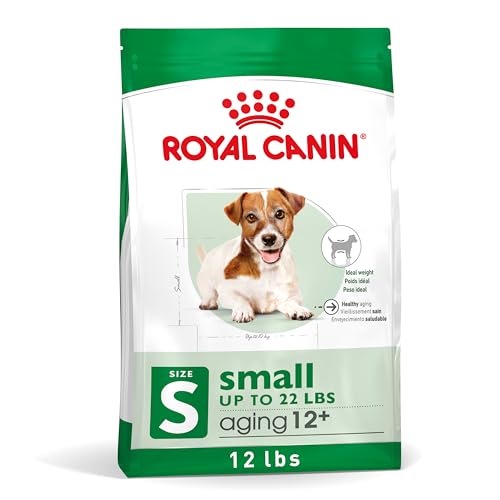
Royal Canin Small Aging 12+ Dry Dog Food
Best Overall

Royal Canin Small Aging 12+ Dry Dog Food

View on Amazon

Built for small breeds over 12 pounds and aged 12 plus, this formula uses very small, easy to chew kibble that suits a Yorkie's tiny mouth and any missing teeth. It carries an AAFCO complete and balanced statement and includes nutrients aimed at aging dogs. The clear trade-off is price, since it costs more per pound than most senior options, and the kibble shape is tailored to small breeds so it will not suit larger dogs.

#2
Hill's Science Diet Senior 7+ Small Paws Sensitive Stomach and Skin Dry Dog Food
Best for Sensitive Stomach

Hill's Science Diet Senior 7+ Small Paws Sensitive Stomach and Skin Dry Dog Food

View on Amazon

Made for small and toy breeds aged 7 and up, this recipe leads with named chicken, uses small kibble, and is formulated for easier digestion and skin and coat support with added omega-6 and vitamin E. It is AAFCO complete and balanced for mature adult maintenance. The honest trade-off is that it is a premium-priced food, and some picky Yorkies may need a gradual transition to accept the flavor and texture.

#3
Diamond Naturals Small Breed Senior Dry Dog Food
Best Budget

Diamond Naturals Small Breed Senior Dry Dog Food

View on Amazon

This small-breed senior recipe lists real chicken first, includes added probiotics, and offers small kibble at a noticeably lower price per pound than premium brands, which helps owners on a budget feed quality protein. It is AAFCO complete and balanced. The main trade-off is that ingredient sourcing and formula consistency can vary more than with the largest brands, so check the current label and the FDA recall list before buying, and confirm suitability with your vet.

#4
Wellness Complete Health Senior Dry Dog Food
Best Grain-Inclusive

Wellness Complete Health Senior Dry Dog Food

View on Amazon

A grain-inclusive senior recipe led by deboned chicken, with added glucosamine and omega fatty acids that may support joint comfort and coat as a general wellness measure. Being grain-inclusive aligns with the safer default while the FDA DCM investigation continues. It is AAFCO complete and balanced for senior dogs. The trade-off is that the standard kibble runs a bit larger than dedicated toy-breed formulas, so confirm your Yorkie can comfortably chew it, or moisten it.

#5
Blue Buffalo Life Protection Formula Small Breed Senior Dry Dog Food
Best for Picky Eaters

Blue Buffalo Life Protection Formula Small Breed Senior Dry Dog Food

View on Amazon

This small-breed senior recipe puts deboned chicken first, adds the brand's LifeSource Bits with antioxidants, and includes glucosamine for joint support, with a flavor profile many picky Yorkies accept well. The kibble is sized for small mouths and it is AAFCO complete and balanced. The trade-off is the included LifeSource Bits, which some dogs pick around, and the price sits above budget options. Transition gradually and check the current recall status before purchase.

Before You Buy

Key Buying Factors

01

Kibble size and chewability

Senior Yorkies have tiny jaws and often worn or missing teeth, so small-breed or small-bites kibble is essential. Larger pieces can be hard to pick up and chew, and you can moisten kibble with warm water if your dog struggles.

02

Controlled calories

A less active senior on a 4 to 7 pound frame gains weight easily. Look for sensible calorie density and measure portions with a cup or scale rather than free-feeding. Your vet can set an ideal target weight and daily calories for your dog.

03

Named meat first and AAFCO statement

Choose a recipe with a named meat such as chicken or salmon first and a clear AAFCO complete and balanced statement for adult maintenance or senior dogs, not a vague meat meal or an all-life-stages label.

04

Joint and omega support

Glucosamine, chondroitin, and omega-3 fatty acids appear in many senior formulas and may support comfort and coat as general wellness ingredients. They are not a treatment for arthritis or any diagnosed condition, which needs veterinary care.

05

Digestibility and palatability

Yorkies can be picky and some have sensitive stomachs. Highly digestible recipes with added probiotics or fiber may help, but introduce any new food gradually over 7 to 10 days to reduce the chance of digestive upset.

Living With It

Care, Cost and Maintenance

Transition gradually

Switch foods over 7 to 10 days by mixing increasing amounts of the new food into the old. This reduces the risk of vomiting or diarrhea, which is especially important for a small dog with a sensitive stomach.

Measure and split meals

Use a measuring cup or kitchen scale and feed two to three smaller meals a day rather than one large portion. Frequent small meals can help avoid long gaps that some toy breeds tolerate poorly. Confirm the schedule with your vet.

Store food properly and watch recalls

Keep kibble sealed in a cool, dry place and use it before the best-by date to preserve fats and palatability. Check the FDA animal food recall list periodically and report any change in your dog's appetite or stool to your veterinarian.

Pro tip

Measure every meal with a cup or kitchen scale and split it into two to three smaller feedings a day, then have your vet confirm an ideal target weight so you can adjust portions before extra ounces become a problem.

Frequently asked questions

How much senior food should I feed my Yorkie?
Feeding amounts depend on your Yorkie's weight, age, activity level, and the food's calorie density, so always start with the feeding chart on the bag for your dog's weight. Most senior Yorkies eat a small amount, often around one third to one half cup of dry food daily, split across two to three meals. Measure with a cup or scale rather than guessing, and adjust based on body condition. Because every dog differs, ask your veterinarian to confirm the right portion and to set an ideal target weight, particularly if your dog is gaining or losing weight.
How many calories does a senior Yorkie need per day?
Many senior Yorkies need roughly 150 to 250 calories per day, but this is only a general range, not a medical rule. Older, less active toy dogs typically need fewer calories than younger adults, so even small portion errors can add up on a 4 to 7 pound frame. The exact figure depends on weight, metabolism, spay or neuter status, and any health conditions. Your veterinarian can calculate a precise daily calorie target for your individual dog and tell you whether to adjust it for weight loss, maintenance, or a medical concern.
Is grain-free food safe for a senior Yorkie?
The FDA has an ongoing investigation into a potential link between certain grain-free and legume-heavy diets and canine dilated cardiomyopathy, a serious heart condition. That investigation has not reached a final conclusion, but because of it, grain-inclusive recipes are generally the safer default for most dogs, including senior Yorkies, unless your veterinarian specifically recommends grain-free for a diagnosed reason such as a confirmed allergy. If you are currently feeding grain-free, do not panic, but do discuss it with your vet before making changes so the decision fits your dog's health.
Can a senior Yorkie eat puppy food?
Puppy food is formulated for growth, so it is higher in calories, protein, fat, and certain minerals than a senior dog needs. Feeding it regularly to a senior Yorkie can promote weight gain, which is risky on such a small frame. A senior or adult maintenance formula with controlled calories is usually more appropriate. The exception is if your veterinarian advises a higher-calorie diet for a specific reason, such as recovery from illness or low body weight. Otherwise, choose a food labeled AAFCO complete and balanced for adult maintenance or senior dogs.
What if my senior Yorkie is overweight?
Even a few extra ounces is significant on a 4 to 7 pound dog and can stress joints already prone to issues like luxating patella. Start by measuring portions accurately, cutting back on treats, and choosing a senior food with sensible calorie density. Do not crash diet a small dog, since rapid weight loss can be dangerous. Your veterinarian can confirm whether your dog is overweight, set a safe target weight, and recommend a specific calorie amount or a therapeutic weight-management food if needed. Gentle, age-appropriate activity also helps, within your vet's guidance.
When is a Yorkie considered a senior?
Small and toy breeds like Yorkies tend to age more slowly than large breeds, and many are considered senior around 7 to 12 years, with some staying spry well into their teens. The transition is gradual, not a fixed birthday, and signs include lower activity, dental changes, or weight shifts. A senior diet with controlled calories and joint-support ingredients may be appropriate as your dog ages, but the timing varies by individual. Your veterinarian can assess your Yorkie's body condition and overall health and advise when switching to a senior formula makes sense for your dog.
Are these foods suitable for the Yorkie's small size?
All of our picks were selected with toy and small breeds in mind, and most use small-breed or small-bites kibble suited to a Yorkie's tiny mouth and possible tooth loss. Small-breed formulas also tend to have appropriate calorie density for a little dog. Avoid large-breed foods, which use bigger kibble and a different mineral balance meant for big dogs. If your senior Yorkie has significant dental disease or refuses dry food, a wet formula or moistened kibble may fit better. When in doubt about texture or size, ask your veterinarian.
Should I feed my senior Yorkie dry or wet food?
Both can work, and the best choice depends on your dog. Dry kibble is convenient, easy to portion, and provides some chewing abrasion that may help reduce plaque, though it is not a substitute for dental care. Wet or canned food is softer, more aromatic, and often easier for dogs with missing teeth or a low appetite, plus it adds moisture. Some owners mix the two. Whichever you choose, make sure it is AAFCO complete and balanced for the right life stage. Your veterinarian can advise based on your Yorkie's teeth, weight, and any medical needs.
My Yorkie is a picky eater. How can I help?
Pickiness is common in Yorkies, but first rule out medical causes, since a sudden refusal to eat can signal dental pain or illness and warrants a vet visit. If your dog is healthy, try a highly palatable small-breed senior food, warm it slightly to release aroma, or add a little warm water. Keep meals on a consistent schedule and avoid filling up on treats. Transition any new food gradually over 7 to 10 days so your dog can adjust. If your senior Yorkie consistently refuses food or loses weight, contact your veterinarian promptly rather than waiting.
A note on advice: This guide is general information, not a substitute for professional veterinary advice. Talk to your vet before changing your dog's diet or care routine, especially if your dog has allergies, kidney disease, pancreatitis, obesity, heart disease or any other medical condition.
Transparency

How we made this guide

How we chose. We compared the options on the factors that matter most for Dog Food, using manufacturer specifications, aggregated verified owner reviews and editorial comparison. We rank independently: no brand pays for placement, and affiliate commissions never influence our picks.

How it was written. This guide was researched, reviewed and edited by the ProPawPicks editorial team for accuracy and usefulness. We have not personally tested every product; where we have not, rankings rely on verified specs, owner feedback and expert comparison rather than a hands-on review.

Affiliate disclosure. ProPawPicks is reader-supported. If you buy through links on our site, we may earn a commission at no extra cost to you. See our affiliate disclosure.

Keep Reading

More Dog Food guides

Insulated Dog Jackets: 4 Best Picks Reviewed for 2026View picks โ†’Interactive Dog Toys for Boredom: Our ShortlistView picks โ†’Interactive Dog Toys, ComparedView picks โ†’Picking Invisible Dog Fence for AllergiesView picks โ†’Invisible Dog Fence for Large Dogs: 5 Best Picks (2026)View picks โ†’2026 Puppy Fence Guide: 5 Top Invisible Dog Fences ReviewedView picks โ†’

Sources and further reading

Some links below are affiliate links. If you buy through them we may earn a small commission at no extra cost to you. Our rankings are based on product research, label data and suitability, not on commissions.