Quick answer
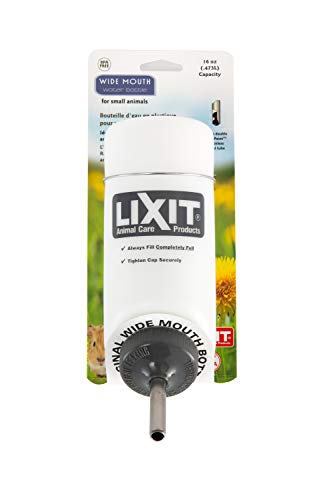
For most ferrets the best cage bottle is the Kaytee Chew-Proof Water Bottle for Pet Ferrets and Rabbits, 26 oz. Its glass body shrugs off gnawing and the 26 ounce size means fewer refills for a thirsty, active pet. If leaks are your problem, the Choco Nose No-Drip Bottle (C128, 10.2 oz) has a patented valve that keeps bedding dry. On a budget, the Lixit Wide Mouth 16 oz fills fast and cleans easily. Honest note first: many ferrets drink more readily from a heavy tip-proof bowl than a bottle, so a lot of owners and vets suggest offering both.
Why ferret water bottles matter
Ferrets are busy carnivores that dig, dive, and shove litter around the cage. A bottle keeps drinking water sealed off from bedding, food, and litter, so it stays cleaner than an open dish that gets fouled or tipped. The trade off is flow: sipping from a metal tube is slower than lapping, and a stuck ball bearing can quietly cut off water. That is why the safest hydration setup usually pairs a good bottle with a low heavy bowl as backup.
What to look for
Capacity comes first. Ferrets drink more than a hamster, so aim for 16 to 26 ounces to cover a full day. Next is the valve. A double or triple ball bearing sipper tube in stainless steel resists drips and rust better than a single ball plastic spout. Glass, like the Kaytee model, survives teeth where soft plastic gets chewed. A wide screw off mouth, seen on the Lixit bottles, lets you scrub inside and beat algae. Finally, the mount matters: a heavy locking bracket stays put where a thin wire clip ends up on the cage floor.
How we chose
We compared five widely sold ferret and small animal bottles on capacity, valve design, chew resistance, ease of cleaning, and mount security, using manufacturer specs, listing details, and aggregated owner reviews. We did not run a lab trial or make vet claims. We favored bottles with a proven no-drip valve, a body that holds up to gnawing, and a wide mouth for real cleaning access.
What to avoid
Skip tiny 8 ounce hamster bottles, which run dry for an active ferret. Avoid single ball plastic spouts that drip and clog, and flimsy clip mounts a ferret can bat loose. Do not rely on a bottle alone if your ferret barely uses it, since low intake risks dehydration. Check flow every day, because a sticking ball valve can leave a full bottle that quietly gives no water at all.