Quick answer
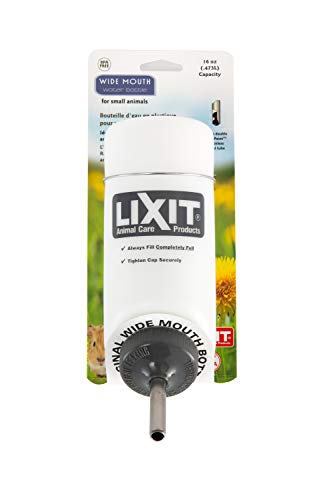
For most cages the best guinea pig water bottle is a 12 to 16 ounce no-drip sipper mounted on the cage bars or a C&C grid. The Lixit Weather Resistant 16 oz pairs real capacity with a 304 stainless steel tube, while the Choco Nose C128 (10.2 oz, 300 ml) uses a patented leak-proof 10 mm nozzle that keeps bedding dry. Run one bottle per pig plus a spare, and clean the spout often.
Why guinea pig water bottles matter
Guinea pigs drink a lot, and intake climbs on a dry diet of hay and pellets. A bottle that runs dry, drips onto bedding, or clogs with food dust puts your pig at real risk, since guinea pigs dehydrate fast. A clear, well marked sipper on the cage lets you see the level at a glance and confirm each pig is actually drinking. Compared to an open bowl, a bottle keeps hay, bedding and droppings out of the water, which matters for an animal that grazes and messes near everything it touches.
What to look for
Capacity: aim for 12 to 16 ounces per pig so you are not refilling constantly. The JLUHYANN 3-pack 14 oz gives volume plus spares. Leak-proof valve: a double ball-bearing or patented nozzle like the Choco Nose resists both dripping and the hay clogs that jam narrow spouts. Easy cleaning: a wide mouth such as the Lixit Wide Mouth BPA-Free 16 oz lets a bottle brush reach inside to scrub off algae and biofilm. Clear markings: a translucent body and printed scale let you monitor daily intake. Secure mount: a screw bracket or spring clip that grips cage bars or C&C grids at chin height.
How we chose
We researched current small animal bottles, comparing manufacturer specs, nozzle design, listed capacity, mounting hardware and owner feedback. We favored bottles with genuine leak-proof valves, cleanable openings and enough volume for heavy drinkers. We weighted materials too, sticking to BPA-free plastic and food-grade 304 stainless steel spouts, and we cross-checked care advice against ASPCA and RSPCA guidance rather than staging our own trials or vet panels.
What to avoid
Skip tiny hamster-size bottles for guinea pigs; they empty in hours. Avoid adding liquid vitamin C drops to the water. Vitamin C is unstable in water, degrades quickly in light, and can give the water an off taste that puts pigs off drinking. Vitamin C should come from a fresh diet, quality guinea pig pellets and vegetables like bell pepper, not from the bottle. Also avoid leaving any bottle unwashed, since algae and biofilm build up fast in warm rooms.